

Kingsgrove Branch:


In Australia’s harsh climate, the roof cavity becomes one of the most extreme thermal zones in a home. On a summer day where outside temperatures reach 40°C, the temperature inside an unventilated tiled roof space can exceed 70°C. This trapped heat radiates downward through insulation and ceiling linings, increasing cooling costs and reducing indoor comfort.
During winter, the problem changes but remains serious. Warm, moisture-laden air from bathrooms, kitchens and living areas rises into the cooler roof void. When this humid air meets colder surfaces such as sarking or timber trusses, condensation forms. Over time, this leads to mould growth, insulation degradation and structural timber damage.
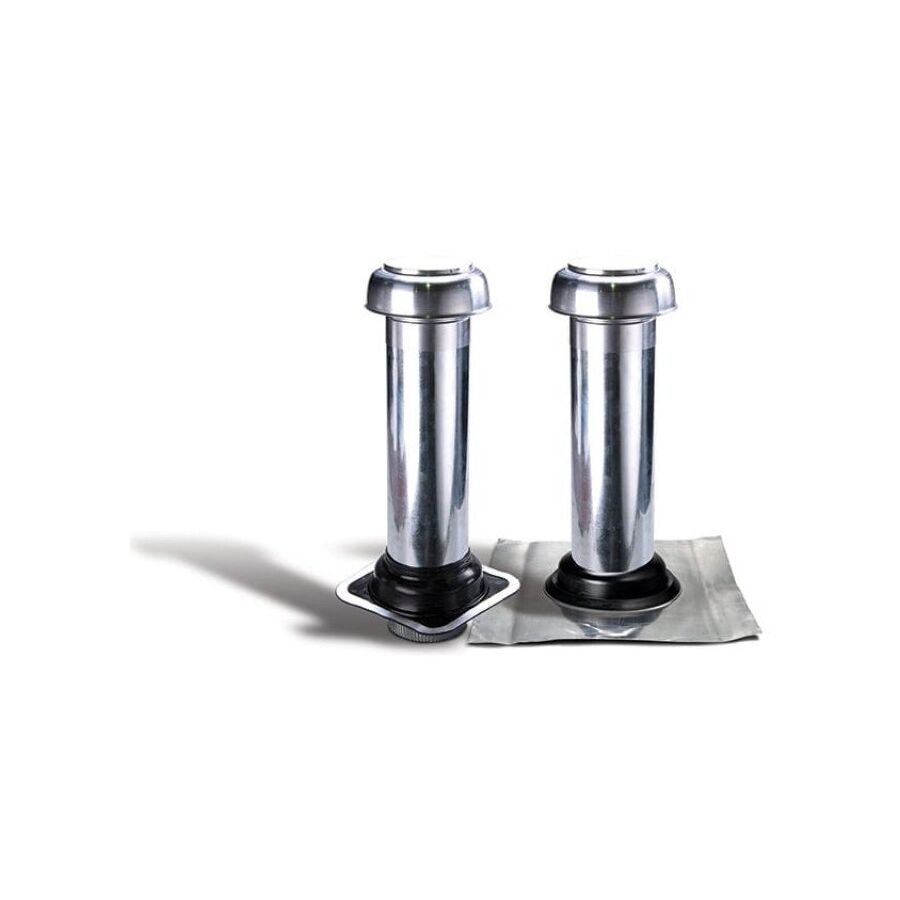
A Tile Roof Ventilator is designed to regulate this microclimate. Specifically engineered for terracotta and concrete tiled roofs, these systems address both airflow management and waterproofing integrity. For Australian homes, effective roof ventilation is not optional. It is essential for long-term building performance and energy efficiency.
The foundation of roof ventilation is the stack effect. Hot air is lighter than cool air and naturally rises. In a sealed roof cavity, this rising heat accumulates at the highest point with limited escape paths.
Passive ventilators such as static vents or wind-driven units rely on natural convection and wind pressure. While these solutions provide some airflow, they are often insufficient during still, high-heat days when roof temperatures peak.
Modern tile roof ventilators frequently incorporate mechanical extraction. These systems actively remove hot air from the roof cavity, creating negative pressure that draws cooler air in through eaves or soffit vents. By increasing air changes per hour, the roof cavity temperature approaches ambient outdoor levels rather than extreme internal peaks.
Reducing roof space temperature directly reduces the thermal load transferred into living areas. Air conditioning systems operate more efficiently, lowering energy consumption and improving occupant comfort.
While summer heat attracts attention, moisture control is equally critical. Modern Australian homes are increasingly sealed for energy efficiency. This reduces natural ventilation and can trap humid air inside roof spaces.
When warm air reaches its dew point inside a cool roof cavity, condensation forms on sarking and structural timber. Prolonged exposure leads to mould growth and corrosion of metal components. Insulation can lose its thermal performance when saturated with moisture.
A mechanical Tile Roof Ventilator equipped with temperature or humidity sensors can activate automatically when conditions require it. By continuously exchanging moist air with drier ambient air, the system maintains a dry roof cavity environment.
This year-round ventilation strategy protects insulation performance and structural integrity. It also contributes to healthier indoor air quality by reducing mould risk.
Installing ventilation on a tiled roof requires precision. Unlike metal roofing, tiles overlap in a lapped profile that must remain weatherproof.
Professional installation involves removing selected tiles and cutting the sarking to create an air pathway. The ventilator base must incorporate a malleable flashing that conforms to the tile profile. High-quality bases are designed to mould tightly against the curves of common Australian tile types.
Correct flashing installation prevents wind-driven rain from entering the roof cavity. Units often include adjustable pitch designs to ensure the motor assembly remains vertical regardless of roof angle. This prevents uneven bearing wear and premature failure.
Secure mechanical fixing to battens is essential. The ventilator must withstand high winds without vibration or movement.
Mechanical Tile Roof Ventilators powered by mains electricity introduce 240V cabling into a hot and confined space. Electrical safety must comply with AS/NZS 3000.
Cabling within roof cavities must be protected against mechanical damage and rodent activity. Using durable conduit and secure cable supports prevents long-term deterioration.
A local isolation switch near the roof access point allows maintenance personnel to safely de-energise the unit before servicing. This improves safety during cleaning or inspection.
SCHNAP Electric Products supports compliant installations by supplying weatherproof isolators, junction boxes and cable protection solutions suited to Australian roof environments. Reliable electrical infrastructure ensures the ventilator operates safely for years.
High-capacity extraction fans can generate vibration. If this vibration transfers into the roof structure, it may produce low-frequency noise inside the home.
Quality Tile Roof Ventilators include vibration isolation mounts between the motor and base plate. Aerodynamic cowls reduce wind noise and turbulence at the outlet.
Correct installation, including firm fixing and appropriate sealing, prevents rattling during strong winds. This ensures the system improves comfort rather than introducing new disturbances.
Roof ventilation directly supports energy efficiency. By reducing attic temperatures, the heat transfer into conditioned spaces decreases. This lowers air conditioning demand and reduces electricity consumption.
In winter, controlled ventilation removes excess moisture without significant heat loss when properly managed. Balanced airflow preserves insulation effectiveness and maintains stable indoor conditions.
For homeowners focused on long-term performance and sustainability, a properly installed Tile Roof Ventilator is a practical upgrade that protects the building envelope.
Licensed electricians and roofing contractors play a critical role in delivering safe and compliant installations. Proper electrical termination, isolation and mechanical sealing are essential.
SCHNAP Electric Products aligns with trade professionals by supplying reliable accessories and infrastructure components that simplify installation while maintaining compliance. Our focus is on dependable supply, practical solutions and safety-first design for Australian conditions.
Whether for new builds or retrofit projects, the goal remains consistent: cooler, drier and more energy-efficient homes.
A Tile Roof Ventilator transforms a sealed roof cavity into a regulated airflow system. By leveraging the stack effect and mechanical extraction, it reduces extreme heat buildup and controls condensation.
When installed with proper flashing, secure fixing and compliant electrical infrastructure, it becomes a long-term asset to the building envelope.
Understanding airflow physics, moisture management and electrical safety ensures reliable performance in Australia’s demanding climate.
At SCHNAP Electric Products, we support this outcome through practical, compliant solutions for trade professionals. In Australian homes, effective ventilation protects comfort, structure and energy efficiency for decades.

SCHNAP Electrical Wholesaler - clear, upfront pricing that professional electricians trust

Get what you need in seconds. SCHNAP electrical wholesaler makes ordering quick and simple

Fast delivery anywhere - that's guaranteed. SCHNAP electrical wholesalers ship nationwide with same-day dispatch

Track your order every step of the way. SCHNAP electrical wholesale keeps you updated from click to delivery

SCHNAP is Australia's premier electrical wholesaler and electrical supplies, marketing thousands of quality products from leading brands. Trusted for nearly two decades by licensed electricians, contractors, and engineers, our range covers everything from basic electrical components to complex industrial electrical equipment
Our key categories include: LED lighting, designer switches, commercial switchboards, circuit protection, security systems & CCTV, and smart home automation
All products are certified to Australian standards (AS/NZS), backed by our 30-day, no-questions-asked return policy. Our expert technical team helps you quickly source the right solution for any residential, commercial, or industrial project, with daily dispatch from our Sydney electrical warehouse delivering Australia-wide
SCHNAP offers the most comprehensive electrical product range, with full technical specifications, application details, installation requirements, compliance standards, and warranties — giving professionals total confidence in every purchase


Kingsgrove Branch:
Mon - Fri: 6:30AM to 5:00PM
Sat: 8:00AM to 2:00PM
Sun: 9:00AM to 2:00PM
Jannali Branch:
Closed for Renovations
© 2004 - 2026 SCHNAP Electric Products