

Kingsgrove Branch:


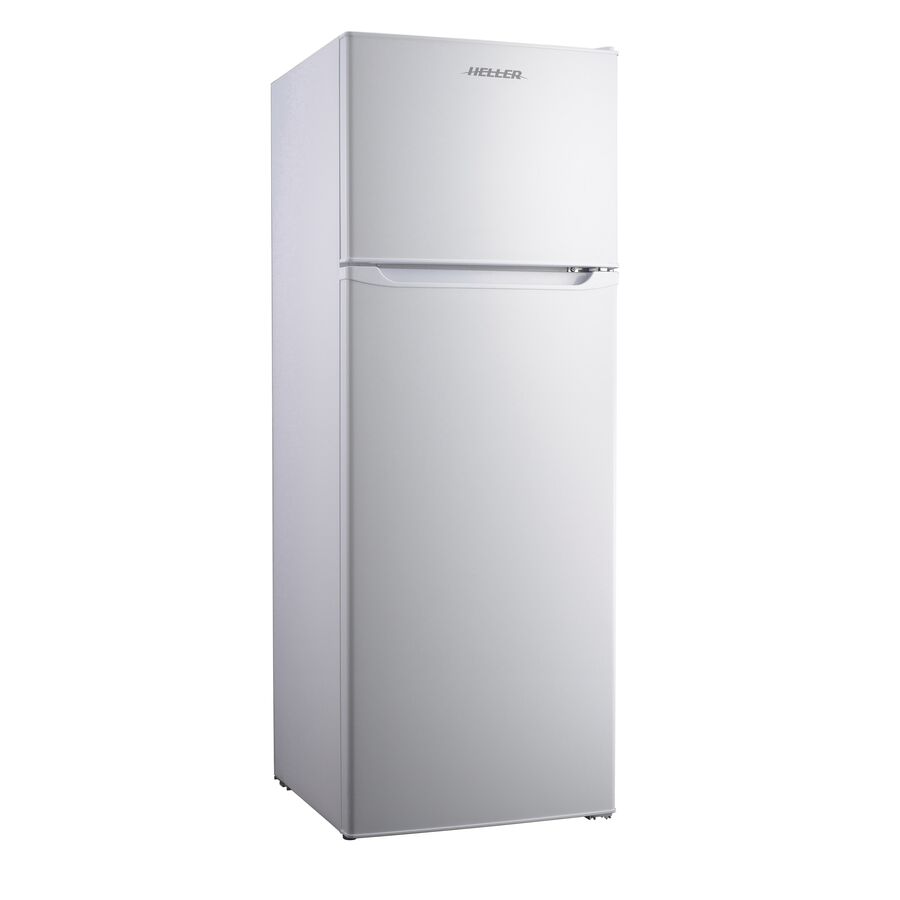
In the landscape of Australian domestic refrigeration, the architectural evolution of appliances has seen a shift towards bottom-mount and French-door configurations driven largely by ergonomic trends. However, from a purely thermodynamic and engineering perspective, the traditional top mount refrigerator remains the superior design for energy efficiency and mechanical simplicity. For facility managers, property developers, and electrical contractors, understanding the physics of natural convection, the implications of the Greenhouse and Energy Minimum Standards (GEMS) Act, and the critical electrical protection protocols is essential when specifying cold storage assets for residential or commercial projects.
The enduring prevalence of the freezer-top configuration is rooted in the fundamental laws of physics. Cold air is denser than warm air and naturally sinks. In a top-mount design, the evaporator coil—the component responsible for absorbing heat—is located in the upper freezer compartment.
This allows the chilled air to descend naturally into the fresh food compartment below via a damper system, assisted by gravity. This process requires significantly less fan energy compared to bottom-mount units, which must force cold air upwards against gravity. Consequently, the mechanical load on the circulation fans is reduced, leading to lower energy consumption and a reduction in potential failure points. This passive assistance makes the top-mount configuration inherently more efficient per litre of volume than its inverted counterparts.
In the Australian market, all refrigeration appliances must comply with the GEMS Act and display an Energy Rating Label. Due to the thermodynamic advantages outlined above, top-mount units frequently achieve higher star ratings at a lower price point compared to complex multi-door systems.
For procurement officers equipping rental properties or mining accommodation, this translates to a lower Total Cost of Ownership (TCO). A unit that consumes fewer kilowatt-hours per annum reduces the ongoing operational expenditure significantly over a ten-year lifecycle. However, efficiency is not solely a product of design; it is also a function of the compressor technology employed.
Modern refrigeration has transitioned from fixed-speed reciprocating compressors to digital inverter technology. A fixed-speed compressor operates on a binary logic: it runs at maximum capacity until the set temperature is reached and then cuts power completely. This cycle creates high inrush currents and thermal fluctuations (hysteresis) within the cabinet.
Inverter compressors, conversely, utilise a variable frequency drive to modulate the motor speed. They run continuously at varying speeds to match the thermal load, maintaining a precise temperature with minimal energy waste. While this technology improves performance, the sophisticated Printed Circuit Boards (PCBs) governing these motors are sensitive to power quality. Voltage sags, surges, or "dirty power" from the grid can degrade these electronic components.
To safeguard the sensitive electronics of modern appliances, the integrity of the electrical supply is paramount. It is standard practice for professional installers to verify the condition of the General Purpose Outlet (GPO) and the upstream circuit protection.
When sourcing materials for a kitchen renovation or fit-out, contractors typically engage a specialised electrical wholesaler to procure high-quality switchgear and protection devices. This supply chain integrity ensures that the infrastructure supporting the appliance is robust. It is here that components from Schnap Electric Products play a vital role. In tight cabinetry spaces where the refrigerator plug is often pressed against the wall, the cable termination is a common point of stress. Replacing a damaged factory plug with a Schnap Electric Products heavy-duty, side-entry plug top ensures a secure, low-profile connection that reduces mechanical strain on the socket. Furthermore, ensuring the power cord is managed correctly is a critical safety protocol. Utilising Schnap Electric Products adhesive cable clips or saddles allows the installer to route the power flex neatly along the rear of the cabinetry or skirting board. This prevents the cable from resting against the hot compressor housing or sharp condenser fins, mitigating the risk of insulation melt and subsequent short circuits.
A critical oversight in many installations is the failure to account for the appliance's "Climate Class" relative to the installation environment. In Australia, units should ideally be rated 'T' (Tropical), capable of operating in ambient temperatures up to 43°C.
Even a tropical-rated unit will fail if the condenser cannot reject heat. The heat removed from the food must be dissipated into the room. If a unit is installed in a tight recess with zero clearance, a heat trap is formed. The compressor is forced to run at 100% duty cycle to combat the rising local temperature, leading to premature burnout. Architects and builders must adhere to manufacturer specifications, typically requiring a 50mm air gap at the rear and sides to facilitate convective airflow.
While the top-mount design requires the user to bend to access the vegetable crisper—the most frequently used section—its reliability makes it the standard choice for secondary storage, investment properties, and commercial kitchenettes. The separation of the frozen and fresh compartments with a solid division often provides better thermal isolation than the drawer systems found in some bottom-mount units, where the seal integrity can be compromised by debris in the tracks.
The top-mount refrigeration unit is a testament to the efficiency of simple, physics-based engineering. Its reliance on natural convection offers a distinct advantage in energy consumption and mechanical longevity. However, realising these benefits requires a disciplined approach to installation. By ensuring adequate ventilation, selecting the appropriate climate class, and protecting the electrical connection with robust components from brands like Schnap Electric Products, facility managers and homeowners can ensure their cold storage assets operate at peak efficiency for years to come. In the engineering of preservation, gravity is the most reliable component.

SCHNAP Electrical Wholesaler - clear, upfront pricing that professional electricians trust

Get what you need in seconds. SCHNAP electrical wholesaler makes ordering quick and simple

Fast delivery anywhere - that's guaranteed. SCHNAP electrical wholesalers ship nationwide with same-day dispatch

Track your order every step of the way. SCHNAP electrical wholesale keeps you updated from click to delivery

SCHNAP is Australia's premier electrical wholesaler and electrical supplies, marketing thousands of quality products from leading brands. Trusted for nearly two decades by licensed electricians, contractors, and engineers, our range covers everything from basic electrical components to complex industrial electrical equipment
Our key categories include: LED lighting, designer switches, commercial switchboards, circuit protection, security systems & CCTV, and smart home automation
All products are certified to Australian standards (AS/NZS), backed by our 30-day, no-questions-asked return policy. Our expert technical team helps you quickly source the right solution for any residential, commercial, or industrial project, with daily dispatch from our Sydney electrical warehouse delivering Australia-wide
SCHNAP offers the most comprehensive electrical product range, with full technical specifications, application details, installation requirements, compliance standards, and warranties — giving professionals total confidence in every purchase


Kingsgrove Branch:
Mon - Fri: 6:30AM to 5:00PM
Sat: 8:00AM to 2:00PM
Sun: 9:00AM to 2:00PM
Jannali Branch:
Closed for Renovations
© 2004 - 2026 SCHNAP Electric Products