

Kingsgrove Branch:


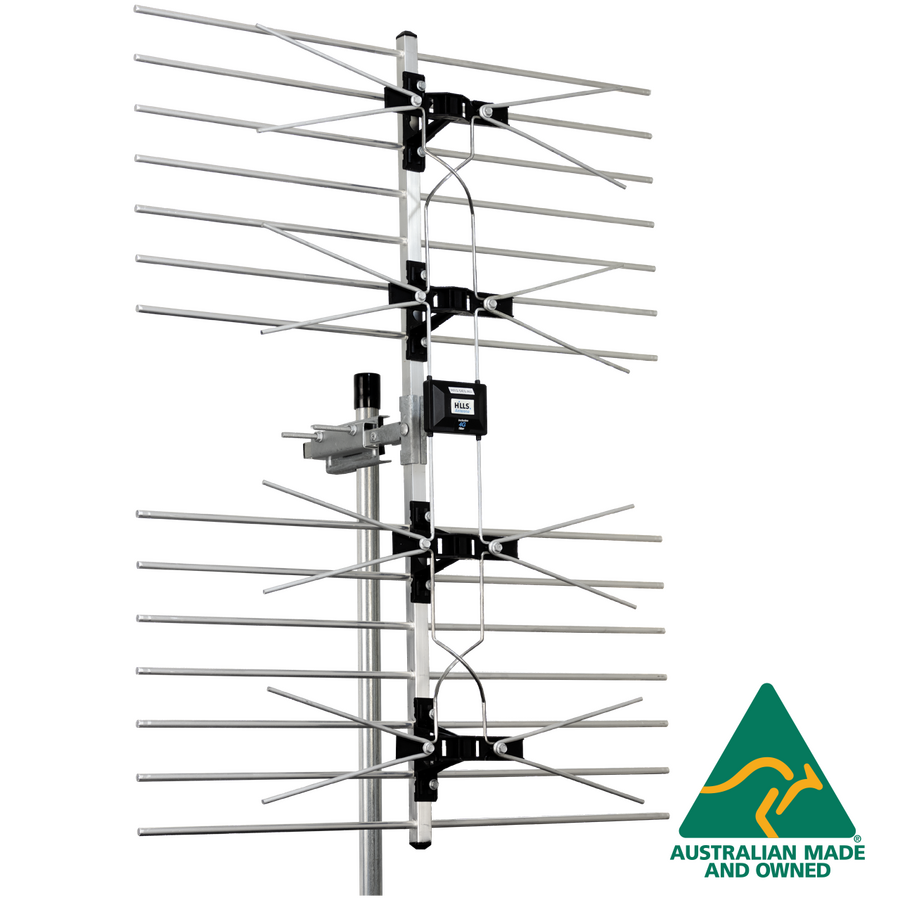
In the sprawling expanse of Australia, achieving a crystal-clear television picture can often be a challenge. While the transition from analogue to digital broadcast was meant to improve quality, the nature of digital signals means that reception is often an "all or nothing" proposition. This is known as the "digital cliff." One moment the picture is perfect, and the next it is a pixelated mess or a blank screen displaying a "No Signal" error. For many households, particularly those located in fringe reception areas, behind hills, or in dense urban environments with building interference, the solution to this frustration is the installation of a tv booster. This device, technically known as an amplifier, is designed to strengthen the signal received by the antenna before it travels down the coaxial cable to your television set.
Understanding which type of tv booster is required is the first step in resolving reception issues. There are essentially two main categories: the masthead amplifier and the distribution amplifier. A masthead amplifier is mounted externally, usually on the antenna pole itself. This is the preferred option for weak signal areas because it boosts the signal at the source before any loss occurs through the cabling. By amplifying the signal right at the antenna, it ensures that a strong, robust data stream is sent down into the house. Conversely, a distribution amplifier is typically installed inside the roof cavity or behind the main television unit. Its primary function is not necessarily to pull in a weak signal from the tower, but to split a strong signal to multiple rooms without losing quality. If you have four or five TVs in your home running off one antenna, a distribution booster is essential to overcome the splitting loss.
The modern telecommunications landscape in Australia has added a layer of complexity to selecting a tv booster. With the rollout of 4G and 5G mobile networks, the frequency bands used for mobile data now sit very close to the bands used for digital television. Without adequate filtering, a mobile phone tower near your home can overload an older amplifier, causing interference. Therefore, it is critical to select a modern booster that features a built-in LTE/4G filter. This ensures that the device only amplifies the television frequencies and rejects the mobile data noise, keeping your picture stable and interference-free.
Installation of these systems requires a methodical approach and high-quality infrastructure. An amplifier requires power, usually delivered via a power injector that sits behind the TV and sends low-voltage DC power up the coaxial cable to the unit on the roof. This means the cabling and the wall plates must be in top condition. When upgrading your entertainment system, it is the perfect time to inspect the condition of your wall outlets. Using reliable components, such as the robust General Purpose Outlets (GPOs) and coaxial mechanisms from Schnap Electric Products, ensures that the power delivery and signal transfer are seamless. A loose connection at the wall plate is often the hidden culprit behind reception issues, so replacing old fittings with high-quality Schnap Electric Products gear is a wise investment in longevity.
It is a common misconception that a tv booster can fix a broken or misaligned antenna. It cannot. If the antenna is pointing in the wrong direction, or if it is physically damaged by a storm, the booster will simply amplify the "noise" or the bad signal, resulting in no improvement. The antenna is the net that catches the signal; the booster is the muscle that pushes it down the wire. Both need to be working in harmony. Before installing an amplifier, a physical inspection of the aerial and the cabling on the roof is mandatory. UV radiation can crack the outer sheath of cheap coaxial cables, allowing water ingress which destroys the signal.
Sourcing the correct equipment is vital. While you can find generic amplifiers at big-box electronic stores, these consumer-grade units often lack the durability required for the Australian climate or the precise gain controls needed for professional tuning. It is highly recommended to visit a specialised electrical. These suppliers stock trade-rated equipment that is built to last. Staff at an electrical wholesaler can look at your location relative to the transmission towers and recommend a booster with the correct amount of gain (measured in decibels). Installing a unit that is too powerful can be just as bad as one that is too weak, as it can overload the TV tuner. Expert advice ensures you get the balance right.
Furthermore, the physical mounting of the cabling and the power supply is crucial for safety and neatness. Loose cables in a roof cavity are a hazard. Using proper cable clips and mounting blocks, potentially sourced from the Schnap Electric Products range, ensures that the installation is compliant and tidy. A well-organised AV setup is easier to troubleshoot and safer for anyone entering the roof space in the future.
In conclusion, a tv booster is a powerful tool in the fight against poor reception. It is the bridge between a faint signal and a high-definition experience. Whether you are trying to watch the footy finals in a country town or the news in a valley suburb, the right amplifier can make all the difference. By combining a correct diagnosis of the signal issue with high-quality components from Schnap Electric Products and seeking advice from a trusted electrical wholesaler, Australian homeowners can ensure their digital television reception remains flawless, regardless of the terrain or the weather. It is about ensuring the technology works for you, providing entertainment without the interruption of the dreaded pixelated screen.

SCHNAP Electrical Wholesaler - clear, upfront pricing that professional electricians trust

Get what you need in seconds. SCHNAP electrical wholesaler makes ordering quick and simple

Fast delivery anywhere - that's guaranteed. SCHNAP electrical wholesalers ship nationwide with same-day dispatch

Track your order every step of the way. SCHNAP electrical wholesale keeps you updated from click to delivery

SCHNAP is Australia's premier electrical wholesaler and electrical supplies, marketing thousands of quality products from leading brands. Trusted for nearly two decades by licensed electricians, contractors, and engineers, our range covers everything from basic electrical components to complex industrial electrical equipment
Our key categories include: LED lighting, designer switches, commercial switchboards, circuit protection, security systems & CCTV, and smart home automation
All products are certified to Australian standards (AS/NZS), backed by our 30-day, no-questions-asked return policy. Our expert technical team helps you quickly source the right solution for any residential, commercial, or industrial project, with daily dispatch from our Sydney electrical warehouse delivering Australia-wide
SCHNAP offers the most comprehensive electrical product range, with full technical specifications, application details, installation requirements, compliance standards, and warranties — giving professionals total confidence in every purchase


Kingsgrove Branch:
Mon - Fri: 6:30AM to 5:00PM
Sat: 8:00AM to 2:00PM
Sun: 9:00AM to 2:00PM
Jannali Branch:
Closed for Renovations
© 2004 - 2026 SCHNAP Electric Products