

Kingsgrove Branch:


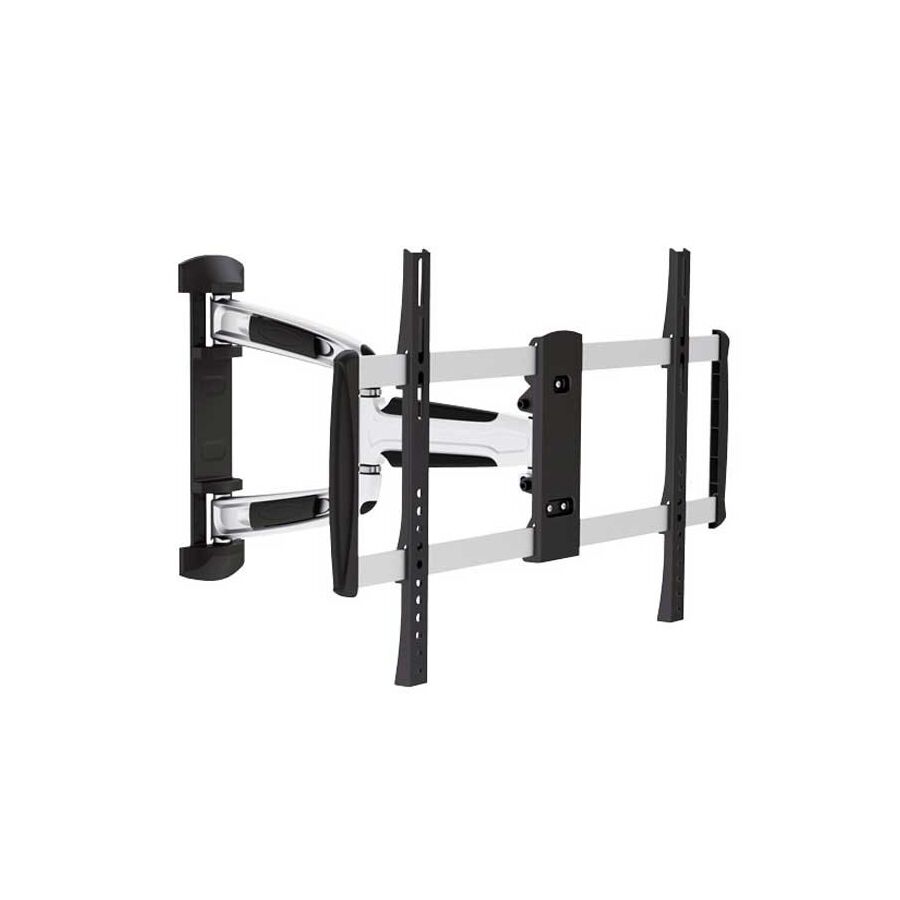
In the contemporary Australian residential and commercial landscape, the display screen has evolved from a piece of furniture into an integrated architectural feature. As panel technologies advance, resulting in larger form factors and thinner profiles, the requirement for secure, aesthetically seamless installation has escalated. The process of tv wall mounting is often misconceived as a simple DIY task; however, from an engineering perspective, it involves a complex assessment of structural load capacities, ergonomic viewing angles, and strict adherence to electrical separation standards as defined in AS/NZS 3000. For audiovisual integrators, facility managers, and electrical contractors, the execution of a wall-mount installation is a discipline that merges structural integrity with interior design functionality.
The primary determinant of installation safety is the substrate. Modern Australian construction typically utilises timber or steel stud framing clad with plasterboard (Gyprock), or solid masonry in older builds and high-rise apartments. Each substrate demands a specific anchoring protocol.
For plasterboard walls, locating the stud is non-negotiable for heavy displays. While hollow-wall anchors (toggles) have high shear strength, they can compromise the integrity of the gypsum board under the dynamic load of an articulating arm. Professional best practice dictates bridging two studs with a marine plywood backboard if the VESA mounting holes do not align with the stud centres, or if the bracket is a cantilever arm type. This distributes the torque load across the frame rather than concentrating it on the fragile cladding. For masonry installations, the use of chemical anchors or sleeve bolts is required to prevent "blowout" in older, brittle brickwork.
Selecting the correct bracket is a calculation of static and dynamic loads. There are three primary categories: low-profile (fixed), tilting, and full-motion (articulating).
From a physics standpoint, the full-motion bracket presents the greatest challenge. When a 75-inch screen is extended 600mm from the wall, the leverage effect significantly multiplies the downward force on the top fixing bolts. This tensile load must be countered by heavy-duty coach screws driven deep into the timber stud. Conversely, low-profile brackets, while structurally simpler, create challenges for thermal dissipation and cable access. The installer must verify that the bracket carries a weight rating that exceeds the panel's mass by a safety factor of at least 2:1 to account for accidental loading (e.g., someone leaning on the screen).
The aesthetic goal of wall mounting is the "floating" effect, devoid of visible cabling. This necessitates the relocation of power and data services to a position directly behind the screen. This is a licensed electrical task.
Under Australian Wiring Rules, High Voltage (240V) and Extra Low Voltage (data/HDMI) cables must be mechanically separated to prevent electromagnetic interference and safety hazards. When retrofitting these services, professional contractors typically visit a specialised electrical wholesaler to procure recessed wall plates and segregation barriers. This allows the General Purpose Outlet (GPO) to sit recessed within the wall cavity, ensuring the plug top does not protrude and prevent the TV from sitting flush against the bracket.
The routing of HDMI, optical, and ethernet cables through the wall cavity requires robust management to prevent insulation damage and ensure future serviceability. Cables should not be left hanging loosely within the stud bay where they can snag on insulation batting or noggins.
This is where the integration of Schnap Electric Products becomes essential. Professional integrators utilise Schnap Electric Products cable management clips and internal conduit systems to create a dedicated pathway for the AV looms. Furthermore, the exit point at the skirting board level must be managed cleanly. Installing Schnap Electric Products brush plates or bull-nose wall plates allows the cables to exit the wall cavity smoothly while preventing the ingress of dust and vermin. These high-quality finishing components ensure that the infrastructure behind the wall is as professional as the screen on it.
The interface between the bracket and the display is governed by the Video Electronics Standards Association (VESA). This standard defines the distance in millimetres between the four mounting holes on the rear of the panel (e.g., 400x400).
However, not all bolts are created equal. The depth of the thread inserts varies between manufacturers. Using a bolt that is too long can penetrate the chassis and damage the internal PCB or the OLED panel itself. Using a bolt that is too short will strip the threads under load. Professionals utilise a measured spacer system and correct thread-locking compounds to ensure the VESA interface is secure without compromising the device internals.
Finally, the placement of the screen is an ergonomic calculation. The centre of the screen should ideally be at eye level when the viewer is seated. Mounting a TV too high (often called the "above fireplace" error) causes cervical strain. Additionally, heat rises. Electronics generate heat, and high-brightness panels can run hot. If a TV is mounted in a recess or above a heat source like a fireplace without adequate ventilation flux, the operating temperature will exceed manufacturer specifications, shortening the lifespan of the capacitors and the panel.
The professional mounting of a television is a convergence of structural trades and electrical precision. It requires more than just a spirit level and a drill; it demands an understanding of load dynamics, thermal management, and electrical compliance. By utilising proper anchoring techniques, managing cabling with robust accessories from brands like Schnap Electric Products, and adhering to ergonomic principles, installers ensure that the installation is safe, secure, and visually commanding. In the modern home, the screen is the focal point; the installation should be the foundation.

SCHNAP Electrical Wholesaler - clear, upfront pricing that professional electricians trust

Get what you need in seconds. SCHNAP electrical wholesaler makes ordering quick and simple

Fast delivery anywhere - that's guaranteed. SCHNAP electrical wholesalers ship nationwide with same-day dispatch

Track your order every step of the way. SCHNAP electrical wholesale keeps you updated from click to delivery

SCHNAP is Australia's premier electrical wholesaler and electrical supplies, marketing thousands of quality products from leading brands. Trusted for nearly two decades by licensed electricians, contractors, and engineers, our range covers everything from basic electrical components to complex industrial electrical equipment
Our key categories include: LED lighting, designer switches, commercial switchboards, circuit protection, security systems & CCTV, and smart home automation
All products are certified to Australian standards (AS/NZS), backed by our 30-day, no-questions-asked return policy. Our expert technical team helps you quickly source the right solution for any residential, commercial, or industrial project, with daily dispatch from our Sydney electrical warehouse delivering Australia-wide
SCHNAP offers the most comprehensive electrical product range, with full technical specifications, application details, installation requirements, compliance standards, and warranties — giving professionals total confidence in every purchase


Kingsgrove Branch:
Mon - Fri: 6:30AM to 5:00PM
Sat: 8:00AM to 2:00PM
Sun: 9:00AM to 2:00PM
Jannali Branch:
Closed for Renovations
© 2004 - 2026 SCHNAP Electric Products