

Kingsgrove Branch:


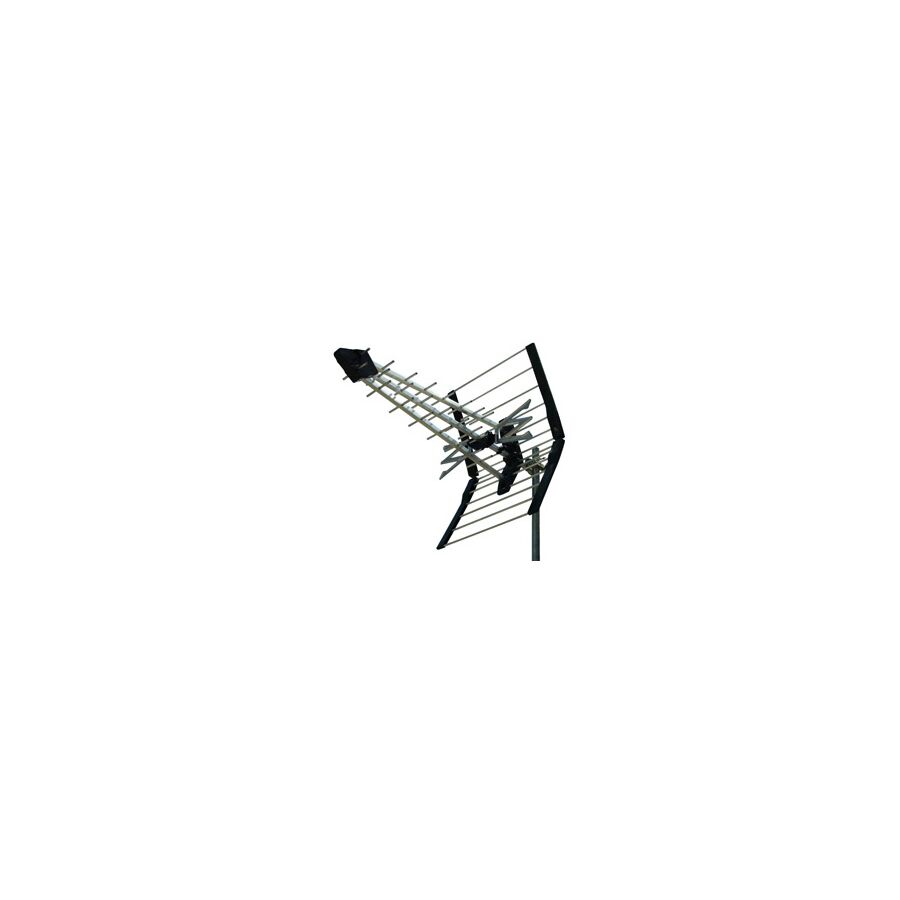
In the vast and unforgiving landscape of Australia, reliable communication is not just a convenience; it is a critical safety requirement. Once you leave the metropolitan fringes and head into the bush, mobile phone coverage drops off rapidly. Whether you are driving a road train across the Nullarbor, managing a cattle station in the Top End, or exploring the Victorian High Country in a 4WD, the primary link to the outside world is often the UHF (Ultra High Frequency) radio. However, a radio is only ever as good as its weakest link, and in almost every case, that link is the uhf antenna. Selecting the correct antenna setup is the single most important factor in determining how far and how clearly you can transmit and receive.
The physics of radio transmission can be complex, but for the average user, the most important specification to understand is "gain," measured in decibels (dBi). The gain of a uhf antenna dictates the shape of the signal pattern. A low gain antenna (around 3dBi) produces a radiation pattern that is almost spherical. It does not send the signal very far towards the horizon, but it sends it up and down effectively. This makes it ideal for hilly, mountainous terrain where you might be in a valley trying to talk to a vehicle on a ridge. Conversely, a high gain antenna (9dBi or higher) flattens the signal out like a pancake, pushing it as far as possible towards the horizon. This is perfect for the flat, open plains of the outback but performs poorly in the mountains as the signal can overshoot vehicles that are at a different elevation.
For general touring and trade use, a medium gain uhf antenna (around 6dBi) is the most popular compromise, offering a good balance of distance and terrain adaptability. Many modern systems utilise a removable whip design, allowing the user to swap between a short, flexible whip for city driving and a long, high-gain fibreglass whip for highway travel. This versatility ensures that you are always optimised for the environment you are traversing.
Durability is the second pillar of antenna selection. Australian roads are notorious for corrugations that can vibrate inferior equipment to pieces. A high-quality uhf antenna will typically feature a heavy-duty spring base. This spring absorbs the mechanical shock from the road and the impact from animal strikes or low-hanging branches, preventing the whip from snapping off the bullbar. The construction materials are equally important. Stainless steel and fibreglass are the standards, designed to withstand the blistering sun and the corrosive salt air of coastal environments without degrading.
Installation is where the performance is either realised or lost. The antenna needs to be mounted as high as possible and clear of obstructions like roof racks or cargo, which can reflect the signal and cause interference. Running the coaxial cable from the bullbar into the cabin requires care to avoid pinching or chafing the cable, which can lead to signal loss. This is where professional installation practices come into play. When securing cables along the chassis or through the engine bay, using high-quality consumables is essential. Many installers rely on robust cable ties and protective conduits from Schnap Electric Products to ensure that the wiring remains secure and protected from heat and abrasion. A tidy installation is a reliable installation.
Sourcing these components is best done through a specialist. While auto parts stores carry basic kits, a dedicated electrical wholesaler is the preferred destination for trade-quality communications gear. These suppliers understand the difference between a hobbyist setup and a professional rig. They stock the heavy-duty mounts, the low-loss coaxial cable, and the precision connectors required for a high-performance system. Furthermore, staff at an electrical wholesaler can often provide advice on measuring the Standing Wave Ratio (SWR) of the antenna. A high SWR indicates that the antenna is not tuned correctly to the radio, which can result in poor transmission range and even damage to the transmitter over time.
For industrial and mining applications, the uhf antenna often needs to be "ground independent." A standard antenna relies on the metal body of the vehicle to act as a "ground plane" to reflect the signal effectively. However, on vehicles with composite bodies, or when mounting on a non-conductive surface, a ground independent design is required. These antennas have the necessary ground plane circuitry built into the base of the unit, ensuring consistent performance regardless of where they are mounted.
In the agricultural sector, where machinery operates in vast paddocks far from the homestead, the radio is a vital tool for coordination. Integrating the radio system with other electrical upgrades is common. For instance, a tractor might be fitted with a new radio, extra work lights, and control switches. Using reliable components for the entire fit-out, such as terminals and switches from Schnap Electric Products, ensures that the electrical system can handle the load and vibration inherent in farming work.
In conclusion, the uhf antenna is the voice of the Australian outback. It bridges the gap between isolation and community. Whether calling for help, coordinating a convoy, or simply chatting to truckies on the highway, the clarity of your connection depends on the quality of your antenna. By choosing a robust, appropriate gain model, installing it with care using quality accessories, and sourcing it from a reputable electrical wholesaler, you ensure that when you press the push-to-talk button, you will be heard. It is a small investment that delivers peace of mind every kilometre of the journey.

SCHNAP Electrical Wholesaler - clear, upfront pricing that professional electricians trust

Get what you need in seconds. SCHNAP electrical wholesaler makes ordering quick and simple

Fast delivery anywhere - that's guaranteed. SCHNAP electrical wholesalers ship nationwide with same-day dispatch

Track your order every step of the way. SCHNAP electrical wholesale keeps you updated from click to delivery

SCHNAP is Australia's premier electrical wholesaler and electrical supplies, marketing thousands of quality products from leading brands. Trusted for nearly two decades by licensed electricians, contractors, and engineers, our range covers everything from basic electrical components to complex industrial electrical equipment
Our key categories include: LED lighting, designer switches, commercial switchboards, circuit protection, security systems & CCTV, and smart home automation
All products are certified to Australian standards (AS/NZS), backed by our 30-day, no-questions-asked return policy. Our expert technical team helps you quickly source the right solution for any residential, commercial, or industrial project, with daily dispatch from our Sydney electrical warehouse delivering Australia-wide
SCHNAP offers the most comprehensive electrical product range, with full technical specifications, application details, installation requirements, compliance standards, and warranties — giving professionals total confidence in every purchase


Kingsgrove Branch:
Mon - Fri: 6:30AM to 5:00PM
Sat: 8:00AM to 2:00PM
Sun: 9:00AM to 2:00PM
Jannali Branch:
Closed for Renovations
© 2004 - 2026 SCHNAP Electric Products