

Kingsgrove Branch:


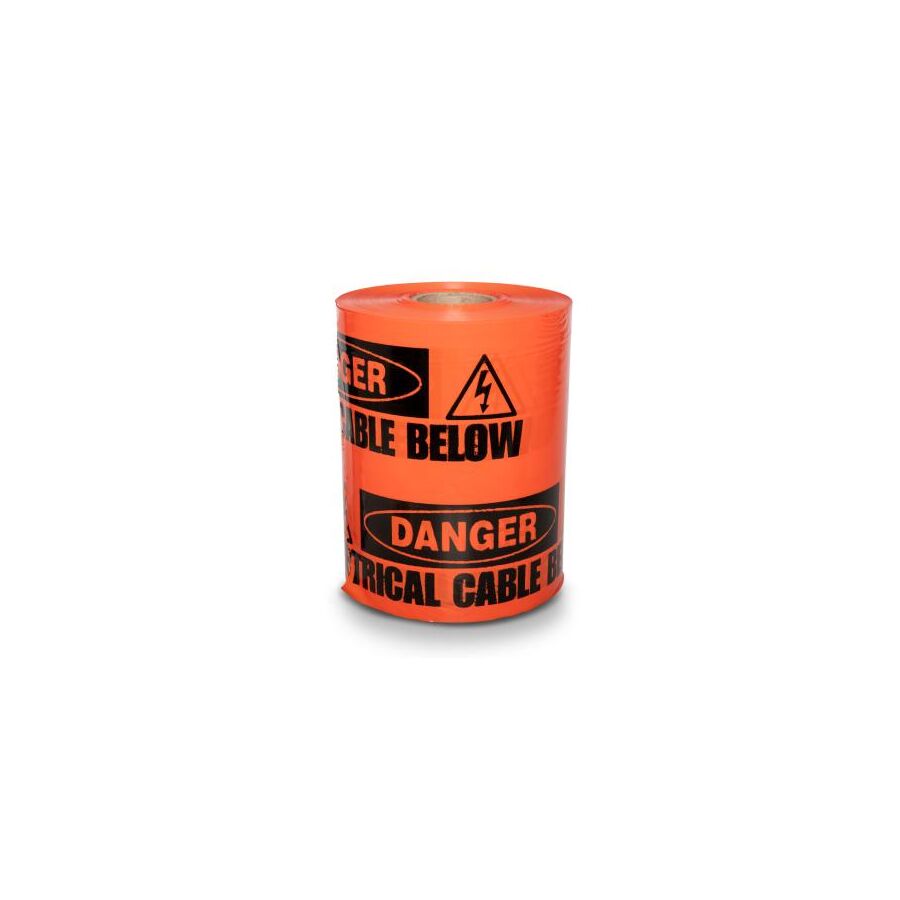
In the dense and complex web of Australian civil infrastructure, the protection of sub-surface utilities is a critical engineering priority. The vast network of power cables, telecommunication ducts, gas mains, and water pipes that underpins modern society faces a constant threat from mechanical excavation. The "dial before you dig" initiative is the administrative control, but the physical engineering control—the final barrier between a hydraulic excavator bucket and a high-voltage cable—is the underground warning tape. For civil engineers, project managers, and safety officers, viewing this product merely as a coloured plastic strip is a fundamental error. It is a regulated safety device governed by Australian Standard AS/NZS 2648.1, designed to provide a visual warning and, in specific configurations, a detectable signal to prevent catastrophic asset failure and safeguard human life.
The application of underground marking is not arbitrary; it is strictly codified. AS/NZS 2648.1 (Underground marking tape - Non-detectable tape) sets the baseline for colour coding and material performance. The efficacy of the system relies on universal recognition of the hazard type based on the tape colour.
Deploying the incorrect colour is a compliance breach that introduces significant liability. If a contractor uncovers a green tape and assumes it is a water pipe, only to strike a gas main, the consequences are severe. Therefore, maintaining a strictly segregated inventory is essential. When procuring site consumables from a specialised electrical wholesaler, project managers must ensure that the specific AS-compliant text (e.g., "DANGER BURIED ELECTRICAL CABLE") is printed clearly on the substrate.
The operational environment for these tapes is chemically hostile. Australian soils vary wildly, from the highly acidic sulphate soils of coastal regions to the alkaline clays of the interior. A standard packaging tape would degrade and disintegrate within months of burial.
Professional-grade warning tapes are manufactured from virgin Low-Density Polyethylene (LDPE). This polymer is selected for its chemical inertness. It is resistant to acids, alkalis, and soil bacteria that cause rot. However, the durability of the base material is only half the equation; the ink must also survive. Schnap Electric Products underground tapes utilise a lead-free, chemically bonded pigment system. This ensures that the warning text remains legible for the service life of the buried asset, often exceeding fifty years. If the text fades or the tape fragments, the warning is lost, rendering the safety measure void.
A significant limitation of standard polyethylene tape is that it is non-conductive. It cannot be found from the surface using standard electromagnetic cable avoidance tools (CATs). This presents a challenge for non-conductive assets like PVC water pipes or fibre optic ducts.
To bridge this gap, "Detectable" tape is employed. This composite material incorporates a conductive element, typically a sinusoidal stainless steel wires woven into the mesh or laminated between polyethylene layers. This allows a service locator to attach a signal generator to the termination point of the tape, inducing a signal that can be tracked from the surface. The selection of stainless steel (grade 304 or 316) over copper or aluminium is critical for corrosion resistance. Schnap Electric Products detectable tapes are engineered to maintain continuity even if the tape is stretched during backfilling, ensuring that the locating signal is not broken.
The effectiveness of the warning system is heavily dependent on the depth of installation. The tape is not designed to be wrapped around the cable or pipe. It must be positioned in the "buffer zone" above the asset.
Engineering best practice typically dictates that the tape be installed approximately 300mm to 500mm directly above the utility. This vertical separation provides the excavator operator with a margin of error. When the bucket teeth catch the tape and pull it to the surface, the operator has time to cease digging before striking the asset below. Installing the tape too deep (directly on the cable) renders it useless, as the strike occurs simultaneously with the warning. Conversely, installing it too shallow risks it being removed during minor surface works or landscaping.
Mechanically, the tape must possess specific physical properties to function correctly. It requires a high degree of elongation (stretch) before breaking.
When an excavator bucket catches the tape, it should stretch and lift out of the trench, becoming visible to the spotter or operator. If the tape is brittle and snaps instantly underground, it may not be noticed until it is too late. Schnap Electric Products tapes are engineered with a calculated elongation capability, allowing them to withstand the tensile stress of being pulled through compacted soil without immediate failure.
Given the safety-critical nature of these products, the supply chain must be robust. Substandard imported tapes that lack UV stabilisation (for storage prior to burial) or use heavy-metal based inks pose environmental and safety risks.
Civil contractors and utility providers typically rely on a trusted electrical wholesaler to supply fully certified AS/NZS 2648.1 compliant products. Through this channel, they can access technical data sheets verifying the polymer thickness (typically 100 to 150 microns for premium grades) and the chemical resistance profile of the product.
The humble roll of underground tape is a silent sentinel in the civil engineering landscape. It lies dormant for decades, performing its function only in the split second before a potential disaster. Its performance relies on rigorous material science, strict adherence to colour standards, and correct installation depth. By utilising high-quality, chemically resistant, and detectable options from reputable brands like Schnap Electric Products, infrastructure owners can ensure that their buried assets remain protected and that future excavation teams are given the clear, unambiguous warning required to work safely. In the sub-surface world, visibility is the only defence.

SCHNAP Electrical Wholesaler - clear, upfront pricing that professional electricians trust

Get what you need in seconds. SCHNAP electrical wholesaler makes ordering quick and simple

Fast delivery anywhere - that's guaranteed. SCHNAP electrical wholesalers ship nationwide with same-day dispatch

Track your order every step of the way. SCHNAP electrical wholesale keeps you updated from click to delivery

SCHNAP is Australia's premier electrical wholesaler and electrical supplies, marketing thousands of quality products from leading brands. Trusted for nearly two decades by licensed electricians, contractors, and engineers, our range covers everything from basic electrical components to complex industrial electrical equipment
Our key categories include: LED lighting, designer switches, commercial switchboards, circuit protection, security systems & CCTV, and smart home automation
All products are certified to Australian standards (AS/NZS), backed by our 30-day, no-questions-asked return policy. Our expert technical team helps you quickly source the right solution for any residential, commercial, or industrial project, with daily dispatch from our Sydney electrical warehouse delivering Australia-wide
SCHNAP offers the most comprehensive electrical product range, with full technical specifications, application details, installation requirements, compliance standards, and warranties — giving professionals total confidence in every purchase


Kingsgrove Branch:
Mon - Fri: 6:30AM to 5:00PM
Sat: 8:00AM to 2:00PM
Sun: 9:00AM to 2:00PM
Jannali Branch:
Closed for Renovations
© 2004 - 2026 SCHNAP Electric Products