



Kingsgrove Branch:


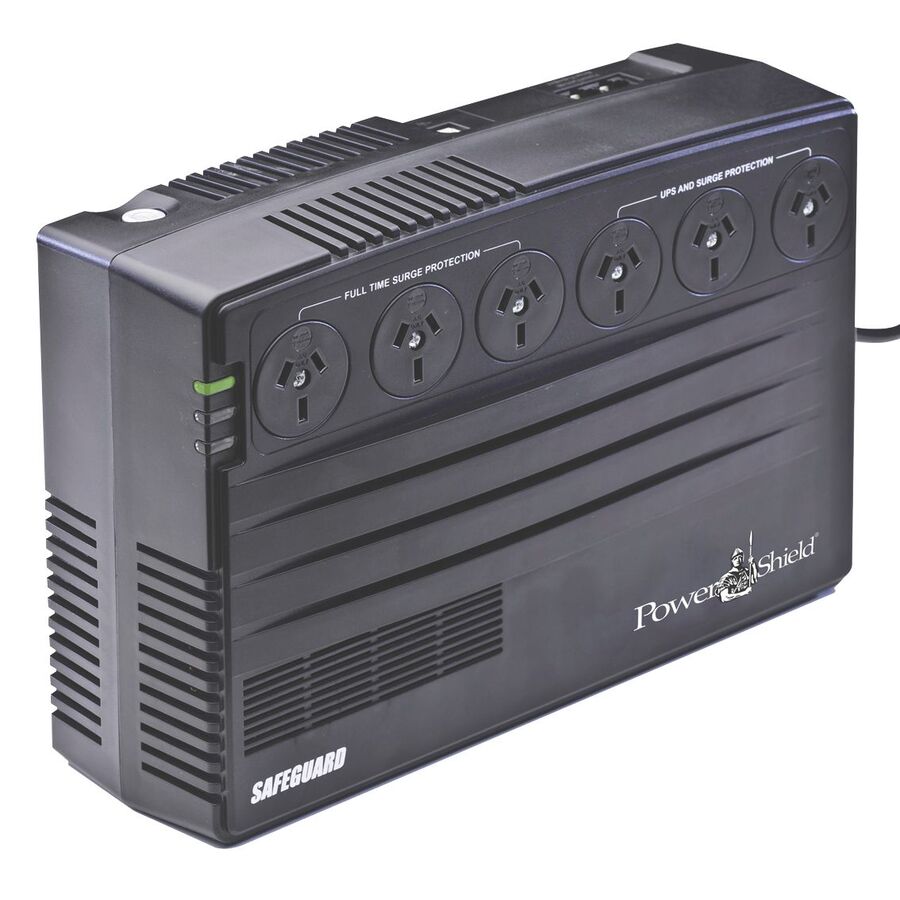
In Australia’s evolving energy landscape, power quality cannot be taken for granted. Extreme weather events, grid switching, renewable intermittency, and regional load stress all introduce instability into the supply network. For most households, a short outage is inconvenient. For a Tier IV data centre, a hospital operating theatre, or an automated warehouse, it is catastrophic.
A voltage sag lasting only 20 milliseconds can crash servers, corrupt databases, or stop robotic production lines mid-cycle. For mission-critical facilities, downtime is not an option. The engineering solution is the Uninterruptible Power Supply, commonly known as a UPS.
A professional UPS is far more than a battery backup. It is a power conditioning firewall. It isolates sensitive loads from grid disturbances and delivers a clean, stable sine wave output at all times.
Not all UPS systems are equal. Entry-level systems use line-interactive designs. These switch to battery when mains power fails. The switching time may be only a few milliseconds, but even that delay can cause equipment shutdown in sensitive IT environments.
For critical loads, the standard is Online Double Conversion topology. In this configuration, the incoming AC supply is immediately rectified into DC. This DC feeds the inverter and charges the battery bank simultaneously. The inverter then converts DC back into a perfectly regulated AC output.
The key advantage is that the load is always powered by the inverter. There is no transfer delay because the batteries are already connected to the DC bus. Transfer time is effectively zero. This continuous conditioning protects against voltage spikes, frequency drift, harmonic distortion, and micro-outages.
Modern servers may have a hold-up time of only 10 to 15 milliseconds. A double conversion UPS ensures they never see instability.
A UPS does more than supply power during blackouts. It regulates voltage continuously. In many commercial sites, voltage fluctuates due to heavy motor loads or switching events. These fluctuations can degrade electronic components over time.
Double conversion UPS systems produce a clean sine wave output independent of input quality. Even if the mains supply contains distortion, the inverter reconstructs a stable waveform. This protects power supplies, networking equipment, PLCs, and medical systems from long-term stress.
In Australia, where remote facilities often operate at the end of long distribution feeders, voltage stability is particularly important. A UPS ensures consistency regardless of upstream variations.
The energy reservoir of a UPS is its battery bank. Traditionally, most commercial systems use Valve Regulated Lead Acid (VRLA) batteries. These are sealed and maintenance-reduced, but they are highly sensitive to temperature.
Battery life decreases significantly as temperature rises. For every 10°C increase above approximately 20°C, expected service life can be halved. In Australian plant rooms and roof spaces, temperatures can exceed 40°C during summer.
Advanced UPS systems incorporate temperature-compensated charging. As ambient temperature increases, float voltage is reduced to prevent overcharging and thermal runaway. Monitoring systems track battery health, internal resistance, and runtime capacity.
Lithium-Ion battery systems are increasingly specified for new installations. They offer higher energy density, longer lifespan, and wider operating temperature tolerance. While initial cost is higher, total lifecycle cost may be lower.
Even the most robust UPS can experience faults. Inverter components, such as IGBTs, may fail under overload conditions. Without protection, this would cause immediate load drop.
Professional UPS systems include a Static Bypass Switch. This high-speed electronic switch transfers the load from the inverter back to mains supply within milliseconds. The transition is fast enough that connected equipment continues operating without interruption.
Static bypass also allows maintenance without shutdown. For larger facilities, an external Maintenance Bypass Panel may be in stalled. This enables complete UPS isolation while keeping critical loads energised.
These redundancy layers are essential for hospitals, financial institutions, and data centres that operate 24 hours a day.
A UPS installation involves significant electrical infrastructure. Three-phase systems may draw high input currents. Battery interconnections carry substantial DC load.
Low-resistance connections are critical. Poor terminations generate heat and reduce available runtime. Installers commonly use heavy-duty copper lugs, busbar links, and properly rated circuit breakers to ensure safety and efficiency.
This is where Schnap Electric Products supports installation quality. High current lugs, moulded case circuit breakers, and secure IEC lock leads for rack-mounted systems enhance reliability. Secure connections prevent accidental disconnection and minimise voltage drop across battery strings.
Proper cable management and ventilation design also protect long-term system performance.
Many Australian facilities use diesel generators as secondary backup. Older UPS systems presented poor power factor and harmonic distortion to generators. This required oversized generator sets and increased fuel consumption.
Modern UPS systems use Active Front End rectifiers. These draw near-sinusoidal current and maintain a power factor close to unity. This reduces harmonic stress on generators and allows more efficient sizing.
Generator compatibility is critical for remote mining operations, regional hospitals, and industrial plants. A properly specified UPS ensures smooth transition between mains, battery, and generator supply.
Enterprise-grade UPS systems include communication interfaces. SNMP cards and network management modules allow remote monitoring of battery status, load percentage, temperature, and event logs.
In data centres, this information integrates with Building Management Systems. Automated alerts notify technicians before batteries degrade or overload conditions occur.
Consumer-grade UPS units often lack this capability. For professional installations, monitoring is not optional. It is part of risk management and business continuity planning.
The market includes many low-cost UPS units that do not meet industrial standards. These may use lower quality batteries or lack proper certification. Failure of a UPS in a critical environment can lead to severe financial and operational loss.
Sourcing through specialised electrical wholesaler ensures compliance with Australian standards. Verified hardware, documented testing, and local technical support reduce lifecycle risk. Proper commissioning and load testing further confirm system readiness.
An Uninterruptible Power Supply is the foundation of reliable modern infrastructure. It delivers clean, regulated power, eliminates transfer delays, and protects sensitive equipment from instability.
By selecting online double conversion systems, managing battery temperature, incorporating static bypass redundancy, and supporting installation with high-quality infrastructure components, Australian operators can maintain continuous operation even during grid disruption.
In critical power environments, uptime is not a convenience. It is a requirement. A properly engineered UPS ensures that operations remain secure, resilient, and always on.

SCHNAP is Australia's premier electrical wholesaler and electrical supplies, marketing thousands of quality products from leading brands. Trusted for nearly two decades by licensed electricians, contractors, and engineers, our range covers everything from basic electrical components to complex industrial electrical equipment
Our key categories include: LED lighting, designer switches, commercial switchboards, circuit protection, security systems & CCTV, and smart home automation
All products are certified to Australian standards (AS/NZS), backed by our 30-day, no-questions-asked return policy. Our expert technical team helps you quickly source the right solution for any residential, commercial, or industrial project, with daily dispatch from our Sydney electrical warehouse delivering Australia-wide
SCHNAP offers the most comprehensive electrical product range, with full technical specifications, application details, installation requirements, compliance standards, and warranties — giving professionals total confidence in every purchase


Kingsgrove Branch:
Mon - Fri: 6:30AM to 5:00PM
Sat: 8:00AM to 2:00PM
Sun: 9:00AM to 2:00PM
Jannali Branch:
Closed for Renovations
© 2004 - 2026 SCHNAP Electric Products