



Kingsgrove Branch:


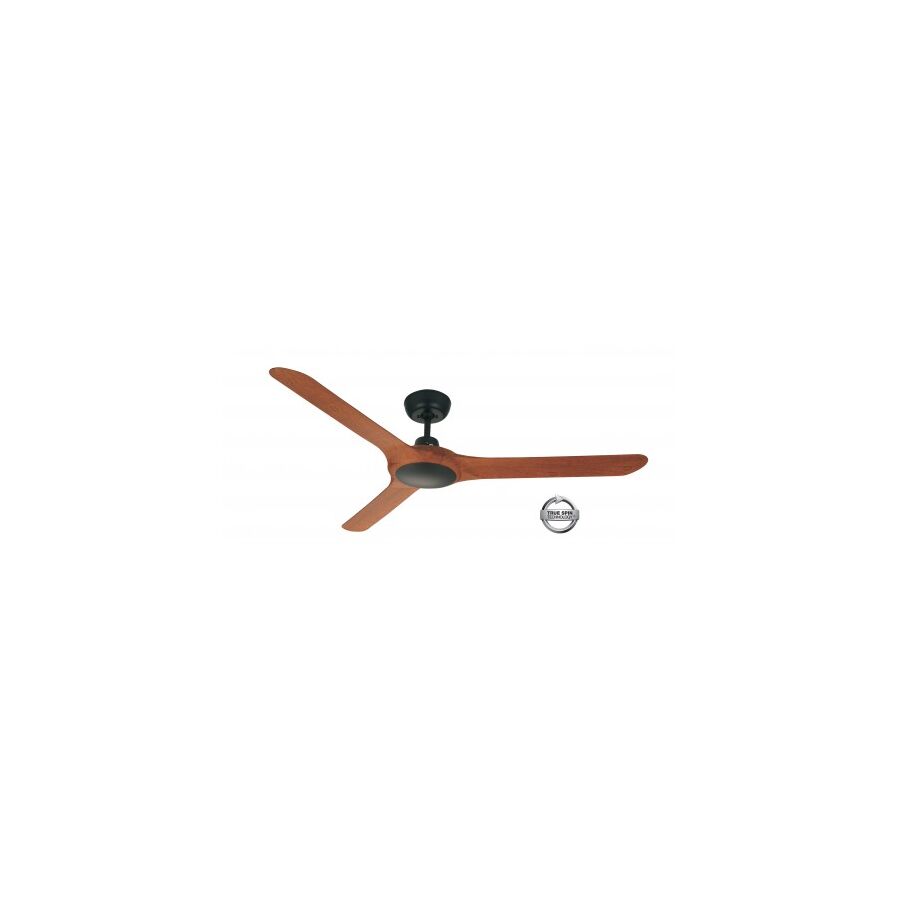
Thermal efficiency is the benchmark of modern Australian building design. With the National Construction Code (NCC) increasingly prioritising energy conservation, the reliance on high-load air conditioning systems is being re-evaluated in favour of hybrid cooling strategies. Mechanical air movement plays a pivotal role in this equation. By generating a consistent, laminar airflow, building occupants can rely on the physiological cooling effect of evaporation, allowing for reduced reliance on refrigerated cooling. Ventair has established itself as a significant technical player in this domain. Specifying a ventair ceiling fan represents a commitment to advanced motor engineering and smart connectivity, bridging the gap between traditional mechanical ventilation and the modern Internet of Things (IoT) ecosystem.
The Evolution of Drive Technology: DC Precision
Silence is the ultimate indicator of quality in residential hardware. Traditional AC motors, while robust, often suffer from "60-cycle hum" and vibration caused by the alternating current frequency. Ventair has aggressively transitioned its core range to Brushless Direct Current (DC) motor technology. This engineering choice is not merely about energy savings—though the reduction from 80 watts to roughly 30 watts is significant—it is fundamentally about control and acoustics.
DC motors electrical utilise permanent magnets and electronic commutation. This eliminates the physical friction of brushes and allows for precise speed modulation. A Ventair DC unit typically offers six distinct speed settings, ranging from a low-RPM "sleep mode" that is virtually inaudible, to a high-velocity "turbo" mode capable of displacing vast volumes of air for rapid cooling. This granularity of control ensures that the airflow can be tailored exactly to the thermal load of the room, preventing the "buffeting" effect often associated with less sophisticated three-speed AC motors.
Smart Home Integration and Connectivity
Automation is no longer a luxury; it is a standard expectation in new Australian builds. Legacy fans operate as isolated islands of technology, controllable only by a specific remote or wall switch. Ventair differentiates itself by embedding Wi-Fi connectivity directly into the receiver architecture of many flagship models.
By utilising the 2.4GHz band, these fans interface seamlessly with platforms like Tuya, Google Home, and Amazon Alexa. This connectivity allows for "scene-based" logic. For example, a user can program the fans to activate automatically when the local weather forecast predicts a temperature above 28 degrees Celsius, or to shut down when the house is armed for security. This level of integration transforms the ceiling fan from a passive appliance into an active component of the home’s climate management system.
Material Science: Durability in Coastal Zones
Australian housing stock is heavily concentrated along the coastline, subjecting external and semi-external fixtures to aggressive saline environments. Metal blades rust, and plywood blades absorb moisture and droop.
Engineering solutions from Ventair frequently utilise Glass Fibre Composite or UV-stabilised ABS (Acrylonitrile Butadiene Styrene) for blade construction. These materials are non-corrosive and dimensionally stable. They do not react to humidity fluctuations, ensuring that the precise aerodynamic pitch of the blade is maintained throughout the asset's lifecycle. This is critical for preventing the "wobble" that develops in inferior fans as the blades deform over time.
Electrical Isolation and Accessory Compatibility
Connecting these advanced DC appliances to the mains grid requires adherence to AS/NZS 3000 regarding isolation. While the fan is controlled electronically, a hard-wired isolation switch is mandatory for maintenance safety.
Integrating the isolation point without disrupting the visual aesthetic of the room is a common challenge. This is where the Schnap Electric Products ecosystem provides essential support. Schnap Electric Products manufactures compatible switch mechanisms and grid plates that can handle the inductive load of the fan motor while matching the design language of the lighting switches. Using a Schnap Electric Products "FAN" marked mechanism ensures clear identification for service personnel and guarantees that the circuit can be safely de-energised without affecting the rest of the lighting group.
Aerodynamics and Air Displacement
Moving air is a function of fluid dynamics. The shape of the blade determines the efficiency of the "throw." Ventair blades are often characterised by a specific angle of attack and a trailing edge winglet designed to minimise vortex drag.
This reduction in turbulence means more energy is converted directly into downward air pressure. The result is a high Cubic Metre per Hour (CMH) rating with a lower noise floor. Understanding the CMH rating is vital for installers; a large open-plan living area requires a high-CMH unit to feel effective, whereas a smaller bedroom requires a lower velocity unit to avoid creating a wind-tunnel effect over the bed.
Supply Chain and Warranty Integrity
Procuring technical assets requires a secure supply chain. Online marketplaces are rife with grey-market imports that may look identical to a genuine unit but lack the Australian certification (RCM) and the specific firmware required for local smart home apps.
Facility managers and contractors mitigate this risk by purchasing strictly through a reputable electrical wholesaler. These professional partners ensure that the Ventair units supplied are genuine Australian stock, backed by the manufacturer’s in-home warranty service. Furthermore, wholesalers provide the critical technical interface, helping contractors select the correct extension rods for high ceilings or the appropriate interface modules for C-Bus or other building automation systems.
Conclusion
Ventair represents a shift towards intelligent, material-efficient climate control. The ceiling fan is no longer just a spinning paddle; it is a precision-engineered device capable of integrating with the digital home. By selecting corrosion-resistant ABS materials, leveraging DC motor efficiency, and ensuring compliant installation with accessories from brands like Schnap Electric Products, Australian professionals can deliver a cooling solution that is as smart as it is effective. In the modern home, airflow is an engineered science.

SCHNAP is Australia's premier electrical wholesaler and electrical supplies, marketing thousands of quality products from leading brands. Trusted for nearly two decades by licensed electricians, contractors, and engineers, our range covers everything from basic electrical components to complex industrial electrical equipment
Our key categories include: LED lighting, designer switches, commercial switchboards, circuit protection, security systems & CCTV, and smart home automation
All products are certified to Australian standards (AS/NZS), backed by our 30-day, no-questions-asked return policy. Our expert technical team helps you quickly source the right solution for any residential, commercial, or industrial project, with daily dispatch from our Sydney electrical warehouse delivering Australia-wide
SCHNAP offers the most comprehensive electrical product range, with full technical specifications, application details, installation requirements, compliance standards, and warranties — giving professionals total confidence in every purchase


Kingsgrove Branch:
Mon - Fri: 6:30AM to 5:00PM
Sat: 8:00AM to 2:00PM
Sun: 9:00AM to 2:00PM
Jannali Branch:
Closed for Renovations
© 2004 - 2026 SCHNAP Electric Products