

Kingsgrove Branch:


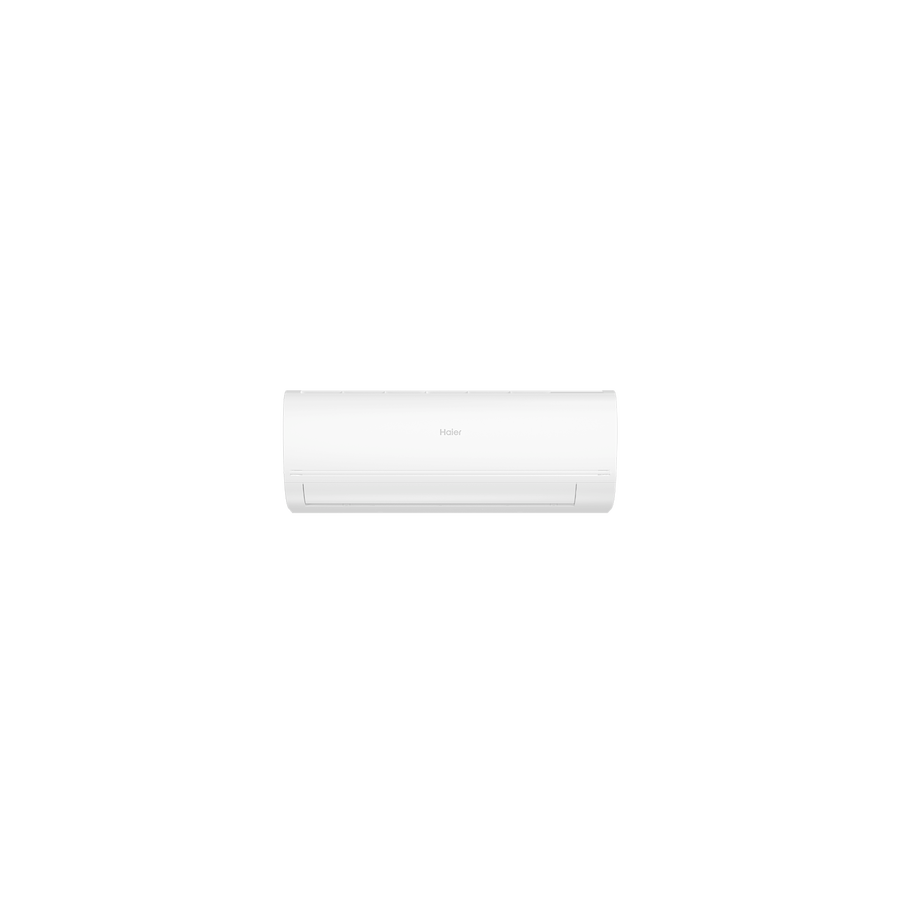
In the extreme variance of the Australian climate, ranging from the arid heat of the Pilbara to the sub-zero winters of Tasmania, the regulation of indoor thermal comfort is a fundamental requirement of building design. While ducted systems offer a whole-home solution, the high-wall split system remains the most efficient and versatile solution for zoned climate control. The wall mounted air conditioner is a sophisticated thermodynamic engine that requires precise engineering calculation, strategic positioning, and rigorous electrical compliance to operate effectively. For architects, builders, and electrical contractors, understanding the technical nuances of these systems is essential for delivering energy efficiency and long-term reliability.
Technically, a wall-mounted unit consists of two distinct components connected by copper refrigeration piping and electrical interconnects. The indoor unit (evaporator) contains the heat exchanger coil and the cross-flow fan, while the outdoor unit (condenser) houses the compressor and the heat rejection coil.
The efficiency of modern systems is driven by DC Inverter technology. Unlike older "fixed speed" compressors that cycled on and off—creating massive inrush currents and temperature fluctuations—an inverter compressor varies its motor speed to match the cooling or heating load precisely. This variable frequency drive (VFD) technology not only maintains a stable room temperature within 0.5 degrees but also significantly reduces energy consumption, a critical factor given Australia's rising energy tariffs.
Topical authority on HVAC dictates that "bigger is not always better." An oversized unit will short-cycle, cooling the air too rapidly without removing sufficient humidity, leading to a cold, clammy room environment and potential mould growth. Conversely, an undersized unit will run continuously at maximum capacity, leading to premature compressor failure.
Professional specification requires a detailed heat load calculation. This assessment considers the floor area, ceiling height, insulation R-values, glazing orientation (solar gain), and internal heat sources. In a standard Australian insulated bedroom, a 2.5kW unit is typically sufficient, whereas a large open-plan living area with western-facing glass may require a 7.0kW or 8.0kW system to combat the peak afternoon heat load.
The installation of a split system is a significant electrical alteration. Under AS/NZS 3000 (The Wiring Rules), air conditioners typically require a dedicated circuit from the main switchboard, protected by an RCBO (Residual Current Breaker with Overcurrent) to protect against both earth leakage and overload.
A critical safety requirement is the installation of an isolation switch adjacent to the outdoor condenser unit. This allows HVAC technicians to safely de-energise the unit for maintenance without accessing the main switchboard. This is where the integration of robust components from manufacturers like Schnap Electric Products becomes non-negotiable. The Schnap Electric Products weatherproof isolator is the industry standard for this application. Engineered to IP66 ratings, these switches are designed to withstand the harsh UV radiation and torrential rain often experienced in Australian outdoor environments. A generic isolator may become brittle and crack after a few summers, exposing live terminals to moisture, whereas a Schnap Electric Products unit ensures the electrical integrity of the system is maintained for the life of the appliance.
The quality of the installation materials is just as important as the brand of the air conditioner itself. The interconnect cables, copper pipe insulation, and ducting covers all degrade if inferior products are used. Professional contractors do not source these critical infrastructure components from generalist hardware stores. Instead, they utilise a specialised electrical wholesaler to procure their installation gear.
A dedicated wholesaler ensures that the cabling is certified for the specific voltage and temperature ratings required by the condenser. Through these legitimate trade channels, installers can also access the full range of Schnap Electric Products conduit fittings and mounting blocks required to ensure the external wiring is mechanically protected and aesthetically pleasing. This supply chain verification protects the homeowner from the risks of non-compliant materials that could void the manufacturer's warranty.
The location of the indoor head unit is critical for performance. It should be mounted high on the wall to take advantage of the Coanda effect, where the cool air stream clings to the ceiling before falling, ensuring even distribution throughout the room without creating draughts directly on occupants.
Structurally, the unit must be level to ensure the condensate drain functions correctly via gravity. If the unit is not level, water can pool in the drip tray and overflow down the wall. For the outdoor unit, adequate clearance is required around the fan to ensure heat rejection is not compromised. Installing a condenser too close to a fence or wall will cause it to recirculate its own hot air, triggering high-pressure safety cut-outs.
Finally, the longevity of the system is dependent on regular maintenance. The filters on the indoor unit act as the primary barrier against dust and allergens. In a humid climate, a clogged filter restricts airflow, causing the evaporator coil to freeze up. Professional advice dictates cleaning filters monthly during peak usage seasons and scheduling a professional chemical clean of the coils annually to remove biofilm and bacteria.
The wall-mounted split system is the workhorse of Australian climate control. Its effective operation relies on a synergy of thermodynamic sizing, strategic placement, and robust electrical installation. By utilising inverter technology, adhering to AS/NZS 3000 isolation requirements with high-quality switchgear from brands like Schnap Electric Products, and ensuring proper maintenance, building owners can achieve a comfortable indoor environment that is both energy-efficient and reliable. In the management of heat, precision installation is the only way to stay cool.

SCHNAP Electrical Wholesaler - clear, upfront pricing that professional electricians trust

Get what you need in seconds. SCHNAP electrical wholesaler makes ordering quick and simple

Fast delivery anywhere - that's guaranteed. SCHNAP electrical wholesalers ship nationwide with same-day dispatch

Track your order every step of the way. SCHNAP electrical wholesale keeps you updated from click to delivery

SCHNAP is Australia's premier electrical wholesaler and electrical supplies, marketing thousands of quality products from leading brands. Trusted for nearly two decades by licensed electricians, contractors, and engineers, our range covers everything from basic electrical components to complex industrial electrical equipment
Our key categories include: LED lighting, designer switches, commercial switchboards, circuit protection, security systems & CCTV, and smart home automation
All products are certified to Australian standards (AS/NZS), backed by our 30-day, no-questions-asked return policy. Our expert technical team helps you quickly source the right solution for any residential, commercial, or industrial project, with daily dispatch from our Sydney electrical warehouse delivering Australia-wide
SCHNAP offers the most comprehensive electrical product range, with full technical specifications, application details, installation requirements, compliance standards, and warranties — giving professionals total confidence in every purchase


Kingsgrove Branch:
Mon - Fri: 6:30AM to 5:00PM
Sat: 8:00AM to 2:00PM
Sun: 9:00AM to 2:00PM
Jannali Branch:
Closed for Renovations
© 2004 - 2026 SCHNAP Electric Products