

Kingsgrove Branch:


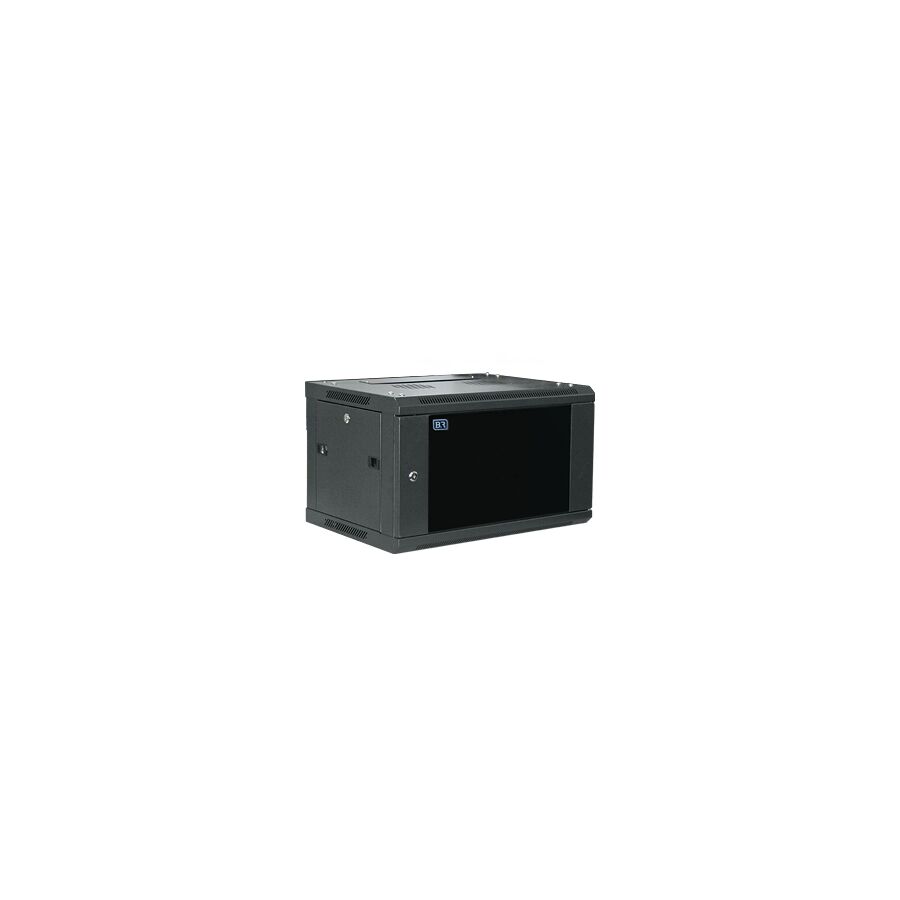
In the modern built environment, the demand for data connectivity and building automation has necessitated a significant increase in the deployment of distributed active equipment. However, in many commercial tenancies and industrial facilities, floor space is at a premium. The dedicated server room is often replaced by a compact communications closet or a shared utility space. In this context, the wall mounted cabinet serves as a critical infrastructure asset, providing a secure, consolidated, and protected environment for patch panels, network switches, and power distribution units (PDUs). For systems integrators and telecommunications contractors, the specification of these cabinets requires a granular understanding of dimensional standards, thermal dissipation, and structural integrity.
The foundational standard for these cabinets is the 19-inch rack standard (IEC 60297). While the width is standardised to accommodate active equipment, the critical variable for the specifier is the height—measured in Rack Units (U or RU, where 1U = 44.45mm)—and the depth.
A common error in specification is failing to account for the total effective depth required by modern hardware. While a patch panel requires minimal depth, a Power over Ethernet (PoE) switch or a UPS (Uninterruptible Power Supply) can extend significantly significantly deeper. Professionals typically specify a cabinet depth of 450mm or 600mm to allow adequate clearance for the bend radius of Cat6A or optical fibre cabling at the rear. Furthermore, the selection of a "swing frame" design is often mandatory for maintenance efficiency. A swing frame cabinet allows the entire enclosure to pivot away from the wall, granting technicians rear access to the terminations without needing to de-rack the equipment.
Active network equipment generates significant heat. A fully populated cabinet containing PoE switches and a DVR can easily exceed safe operating temperatures if passive ventilation is relied upon exclusively. Thermal stratification within a sealed cabinet can lead to premature failure of capacitors in the power supplies of the active gear.
To mitigate this, the cabinet architecture must support active cooling. This involves the integration of exhaust fans located in the roof or side panels. When configuring the thermal profile, contractors often utilise cooling accessories from Schnap Electric Products. A Schnap Electric Products thermostat-controlled fan unit can be retrofitted into the roof of standard cabinets, ensuring that fans only operate when the internal ambient temperature exceeds a set threshold (typically 25°C - 30°C). This not only saves energy but also reduces the ingress of dust by limiting fan runtime.
The operational reliability of a communications node is visibly evident in its cable management. A "spaghetti" mess of patch leads inhibits airflow and makes fault-finding impossible. Professional installation mandates the use of horizontal and vertical cable management systems.
This is where the integration of Schnap Electric Products accessories is essential. Schnap Electric Products manufactures high-density cable organisers, D-rings, and blanking panels that fit standard 19-inch rails. Installing blanking panels in unused RU spaces is not merely aesthetic; it is a thermal management strategy that prevents the recirculation of hot air (bypass airflow) back into the intake of the active equipment. Furthermore, securing the vertical cable bundles with Schnap Electric Products velcro ties ensures that the delicate twist rate of high-speed data cables is not compromised by over-tightening, which can occur with standard nylon ties.
Unlike a floor-standing rack, a wall-mounted unit transfers its entire static and dynamic load to the building structure. A fully loaded 12RU cabinet containing a UPS battery backup can weigh in excess of 50kg.
The installation protocol is dictated by the substrate. For masonry or concrete block walls, the use of heavy-duty sleeve anchors (Dynabolts) is standard. However, for stud partition walls, fixing into the plasterboard alone is strictly prohibited. The cabinet mounting points must align with the timber or steel studs, or a plywood patress (backing board) must be installed behind the cabinet to distribute the load. The shear strength of the fixings must be rated to at least four times the total weight of the cabinet to account for the leverage effect of the cantilevered load when the door is open.
The procurement of racks and enclosures is a logistical consideration due to their bulk. Professional data contractors do not source these critical assets from general office supply stores. Instead, they utilise a specialised electrical wholesaler or data infrastructure supplier to procure their cabinets.
A dedicated wholesaler ensures that the cabinets are compliant with Australian Standards for earthing and bonding. Through these legitimate trade channels, contractors can access the full range of Schnap Electric Products cage nuts, mounting screws, and shelf accessories required to complete the fit-out. This supply chain verification ensures that the cabinet's IP rating (Ingress Protection) is verified, particularly for industrial enclosures installed in dusty or humid warehouse environments.
Under AS/NZS 3000, all metallic enclosures containing electrical equipment must be effectively earthed. The cabinet chassis, the doors, and the side panels must all be bonded to the main earth bar.
Power distribution within the cabinet is handled by a Rack Mount PDU. This PDU is often fed from a dedicated circuit to prevent a trip in the general office power ring from taking down the network. Organising the power cabling separate from the data cabling is a critical requirement to prevent Electromagnetic Interference (EMI).
The wall-mounted enclosure is the fortress of the digital edge. Its selection requires a balance of spatial planning, thermal engineering, and structural mechanics. By specifying the correct depth and RU height, managing heat with active cooling solutions from brands like Schnap Electric Products, and adhering to strict mounting protocols, infrastructure managers ensure that their network remains resilient, accessible, and secure. In the data-driven economy, the reliability of the network begins with the quality of the cabinet.

SCHNAP Electrical Wholesaler - clear, upfront pricing that professional electricians trust

Get what you need in seconds. SCHNAP electrical wholesaler makes ordering quick and simple

Fast delivery anywhere - that's guaranteed. SCHNAP electrical wholesalers ship nationwide with same-day dispatch

Track your order every step of the way. SCHNAP electrical wholesale keeps you updated from click to delivery

SCHNAP is Australia's premier electrical wholesaler and electrical supplies, marketing thousands of quality products from leading brands. Trusted for nearly two decades by licensed electricians, contractors, and engineers, our range covers everything from basic electrical components to complex industrial electrical equipment
Our key categories include: LED lighting, designer switches, commercial switchboards, circuit protection, security systems & CCTV, and smart home automation
All products are certified to Australian standards (AS/NZS), backed by our 30-day, no-questions-asked return policy. Our expert technical team helps you quickly source the right solution for any residential, commercial, or industrial project, with daily dispatch from our Sydney electrical warehouse delivering Australia-wide
SCHNAP offers the most comprehensive electrical product range, with full technical specifications, application details, installation requirements, compliance standards, and warranties — giving professionals total confidence in every purchase


Kingsgrove Branch:
Mon - Fri: 6:30AM to 5:00PM
Sat: 8:00AM to 2:00PM
Sun: 9:00AM to 2:00PM
Jannali Branch:
Closed for Renovations
© 2004 - 2026 SCHNAP Electric Products