

Kingsgrove Branch:


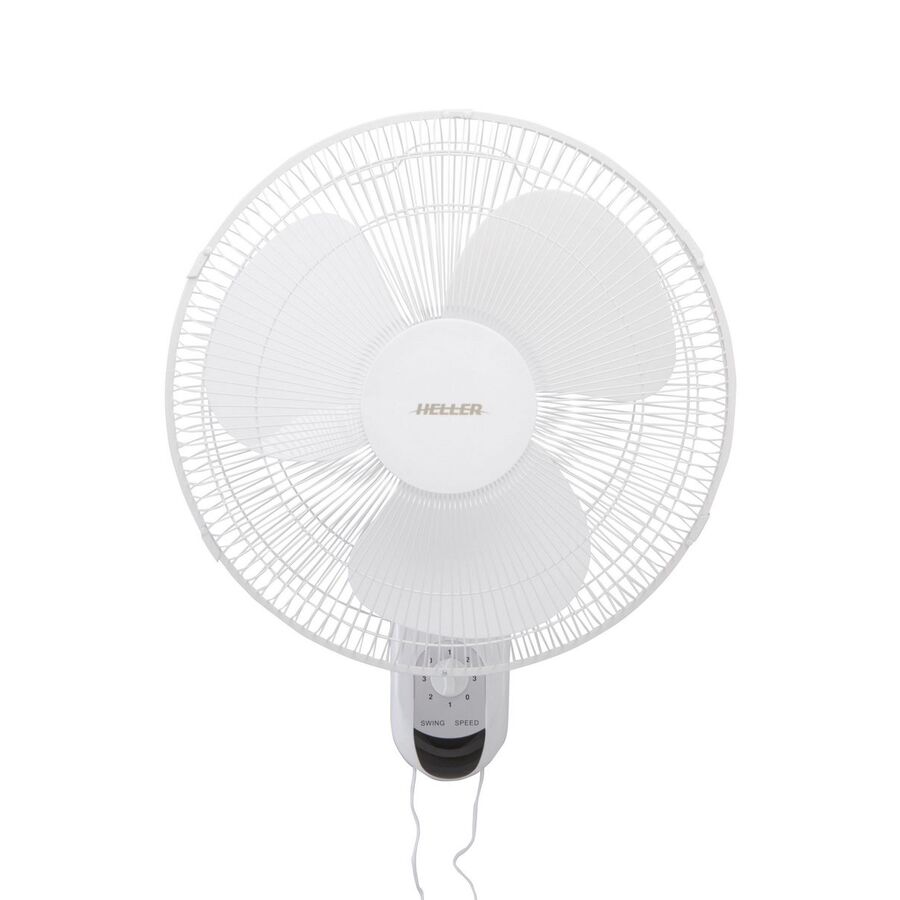
In the diverse climatic conditions of Australia, ranging from the humid tropics of Queensland to the dry heat of Western Australia, the management of indoor air quality and thermal comfort is a critical engineering challenge. While Heating, Ventilation, and Air Conditioning (HVAC) systems provide temperature control, they often lack the capacity to provide adequate air movement in dead zones or high-occupancy areas. The wall mounted fan serves as a vital component in the ventilation strategy of commercial, industrial, and residential infrastructure. For facility managers and electrical contractors, the specification of these units requires a technical understanding of fluid dynamics, structural integrity, and electrical compliance.
The primary engineering advantage of a wall-mounted unit over a ceiling fixture is the ability to provide directional, horizontal airflow. This is particularly effective in facilities with high, raked ceilings or warehouses where heat stratification occurs. By mounting the fan at a strategic height (typically above 2.1 metres to meet clearance regulations), the unit can force air circulation across the working plane, disrupting the thermal boundary layer on the skin of occupants and providing a cooling effect via evaporation.
Technically, the efficiency of these units is dictated by the motor topology. Modern industrial fans increasingly utilise DC (Direct Current) motors over traditional AC (Alternating Current) induction motors. DC motors offer higher torque at lower speeds, resulting in quieter operation and significantly reduced energy consumption. When specifying units for a commercial fit-out, engineers must consider the Cubic Feet per Minute (CFM) rating relative to the room volume to ensuring the requisite air changes per hour (ACH) are achieved.
Unlike a pedestal fan, a wall-mounted unit becomes a permanent fixture of the building structure. The dynamic load of the oscillating head, combined with the vibration of the motor, places significant stress on the mounting point. A common failure mode in amateur installations is the loosening of fixings due to harmonic vibration, leading to the unit detaching from the wall.
Professional installation mandates that the substrate is assessed prior to fixing. For timber stud walls, the bracket must be secured directly into the stud using heavy-gauge coach screws; fixing into plasterboard with toggle bolts is insufficient for the dynamic load. For masonry or concrete tilt-panel walls, chemical anchors or sleeve anchors are preferred. This structural rigidity is paramount not only for safety but also for noise reduction. A poorly secured fan will resonate through the wall cavity, creating a disturbance in adjacent rooms.
The method of electrical connection depends on the application class. While domestic units often come with a flex and plug for a standard General Purpose Outlet (GPO), commercial and industrial installations frequently require hardwiring to prevent unauthorised disconnection and to eliminate trailing cables which pose a snagging hazard.
This is where the integration of robust control gear becomes essential. For a hardwired installation, the isolation switch must be accessible. Integrating components from Schnap Electric Products ensures that the control interface matches the reliability of the fan. A Schnap Electric Products rotary fan controller or a dedicated wall plate switch provides precise speed regulation without the hum often associated with cheap thyristors. Furthermore, for outdoor alfresco areas, utilising Schnap Electric Products weatherproof isolators ensures that the electrical connection remains IP rated and safe from water ingress, a critical factor for compliance with AS/NZS 3000.
To maximise the utility of a single unit, the oscillation mechanism—often covering an arc of 80 to 90 degrees—must be robust. In heavy-duty industrial fans, the oscillation is gear-driven rather than relying on a simple linkage arm, which is prone to wear. The positioning of the fan should be planned to ensure the sweep covers the target area without the guard impacting nearby obstructions like pallet racking or structural columns.
The procurement of ventilation equipment is often a balance between performance and capital expenditure. Professional facility managers do not source critical infrastructure from generalist department stores. Instead, they utilise a specialised electrical wholesaler to procure their ventilation equipment.
A dedicated wholesaler ensures that the fans stocked are "trade rated," meaning they feature ball-bearing motors rather than sleeve bearings. Ball bearings are sealed for life and can operate at high temperatures without seizing, a common issue in Australian warehouses. Through these legitimate trade channels, contractors can also access the necessary Schnap Electric Products conduit and mounting accessories required to conceal the wiring for a clean, professional finish.
In an occupational environment, the fan guard is a primary safety control. It must be a dense mesh that prevents the insertion of fingers or tools. This is particularly important in gyms or workshops where inadvertent contact is a risk. Regular maintenance schedules should be implemented to clean the blades and grille, as dust accumulation creates drag, overheating the motor and reducing the lifespan of the unit.
The wall-mounted air circulator is a sophisticated tool for thermal management. Its deployment requires careful consideration of motor efficiency, structural fixing methods, and electrical integration. By selecting trade-rated equipment, utilising high-quality control accessories from brands like Schnap Electric Products, and adhering to rigorous installation protocols, building managers can ensure a comfortable, safe, and energy-efficient environment. in the physics of cooling, reliable air movement is the key to comfort.

SCHNAP Electrical Wholesaler - clear, upfront pricing that professional electricians trust

Get what you need in seconds. SCHNAP electrical wholesaler makes ordering quick and simple

Fast delivery anywhere - that's guaranteed. SCHNAP electrical wholesalers ship nationwide with same-day dispatch

Track your order every step of the way. SCHNAP electrical wholesale keeps you updated from click to delivery

SCHNAP is Australia's premier electrical wholesaler and electrical supplies, marketing thousands of quality products from leading brands. Trusted for nearly two decades by licensed electricians, contractors, and engineers, our range covers everything from basic electrical components to complex industrial electrical equipment
Our key categories include: LED lighting, designer switches, commercial switchboards, circuit protection, security systems & CCTV, and smart home automation
All products are certified to Australian standards (AS/NZS), backed by our 30-day, no-questions-asked return policy. Our expert technical team helps you quickly source the right solution for any residential, commercial, or industrial project, with daily dispatch from our Sydney electrical warehouse delivering Australia-wide
SCHNAP offers the most comprehensive electrical product range, with full technical specifications, application details, installation requirements, compliance standards, and warranties — giving professionals total confidence in every purchase


Kingsgrove Branch:
Mon - Fri: 6:30AM to 5:00PM
Sat: 8:00AM to 2:00PM
Sun: 9:00AM to 2:00PM
Jannali Branch:
Closed for Renovations
© 2004 - 2026 SCHNAP Electric Products