

Kingsgrove Branch:


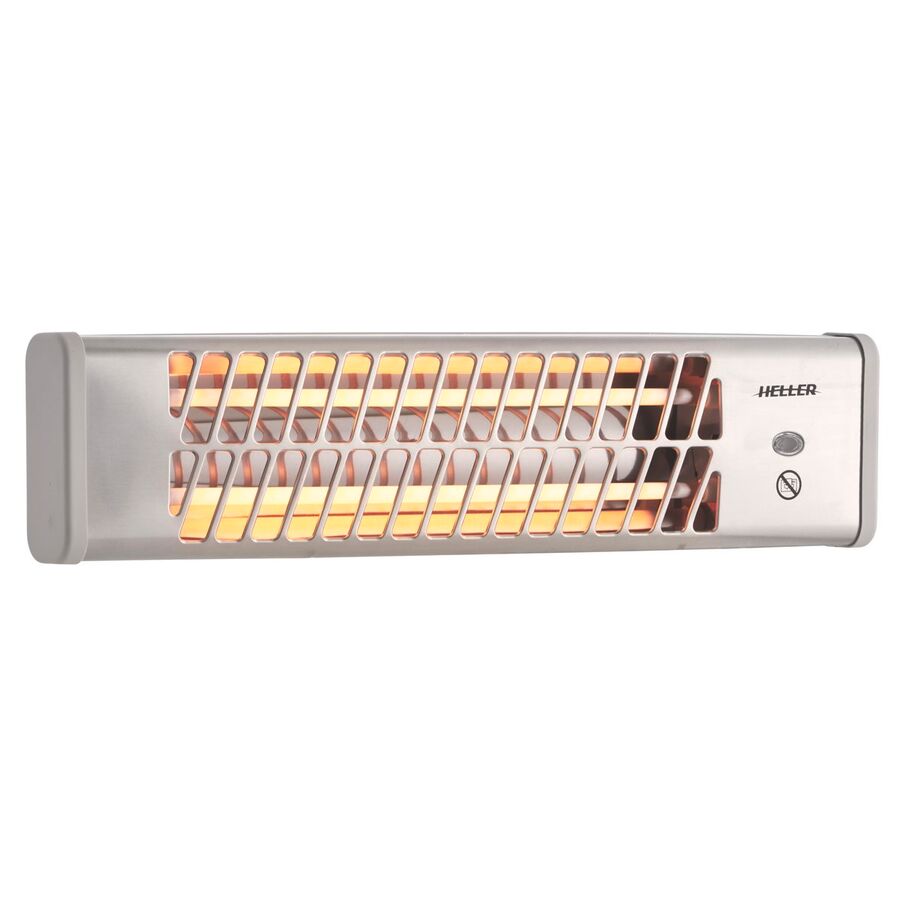
In the Australian built environment, the approach to thermal comfort has historically been reactive rather than proactive. However, with rising energy tariffs and stricter National Construction Code (NCC) requirements regarding energy efficiency, the specification of heating infrastructure has shifted towards precision and zoning. Unlike central HVAC systems which can suffer from duct losses and lack of granular control, the electric wall mounted heater offers a decentralised, highly efficient solution for both residential apartments and commercial offices. For facility managers and electrical contractors, the deployment of these units requires a rigorous understanding of thermodynamic principles, ingress protection ratings, and electrical load management.
To specify the correct unit, one must distinguish between the two primary modes of heat transfer utilised in wall-mounted chassis. The most common variant in living areas and bedrooms is the convection panel heater. These units operate on the principle of the "chimney effect." Cool air enters the bottom of the unit, passes over an aluminium X-element or ceramic core, and rises out of the top grille as buoyant warm air. This creates a silent, cyclical airflow that evenly heats the room volume without the noise or dust turbulence associated with fan-forced units.
Conversely, for bathrooms and outdoor alfresco areas, radiant technology (often quartz or halogen strip heaters) is the superior engineering choice. Radiant heaters emit infrared energy that passes through the air without heating it, transferring thermal energy directly to solid objects and skin. This is critical in environments with high air change rates, such as a bathroom with an exhaust fan running, where convective heat would be immediately extracted before it could provide comfort.
The installation of heating in bathrooms is strictly governed by AS/NZS 3000 (The Wiring Rules), specifically regarding the zoning of wet areas. A heater mounted in Zone 2 (within 0.6m of the bath or shower) or Zone 3 requires a specific Ingress Protection (IP) rating to ensure safety against water splash.
Standard panel heaters often carry an IP24 rating, protecting them against splashes from any direction. However, the placement must be calculated to ensure that switches and controls are out of reach of a person using the bath or shower. Professional installation mandates that these units are hardwired to eliminate the risk of a user touching a plug or socket with wet hands.
The efficiency of a heating system is only as good as its control logic. A standalone heater relying on a basic bi-metal thermostat can have a hysteresis (temperature swing) of several degrees, leading to discomfort and energy wastage. Modern installations integrate digital timers and electronic thermostats with PID (Proportional-Integral-Derivative) control for precision.
The physical connection of hardwired units requires robust infrastructure. This is where the integration of components from manufacturers like Schnap Electric Products becomes essential. For the fixed connection of a high-load heater, professionals utilise a Permanent Connection Unit (PCU) or a dedicated wall switch. Schnap Electric Products manufactures a range of heavy-duty isolation switches and connection plates that provide a secure, flush-mounted termination point. These accessories are engineered to handle the thermal cycling of the load without the terminal creep that can occur in inferior fittings. Furthermore, for bathroom strip heaters, using a Schnap Electric Products labelled switch mechanism ensures that the user can clearly distinguish between the light, the fan, and the high-current heater load.
Topical authority on heating requires a move away from "rule of thumb" sizing. An undersized heater will run continuously, failing to reach the setpoint and reducing the lifespan of the element. Conversely, an oversized unit will short-cycle.
Engineers use a calculation based on Watts per cubic metre. In a standard insulated Australian home (Climate Zone 5 or 6), a factor of 40-50 Watts per cubic metre is the baseline. However, for older uninsulated properties or rooms with significant glazing, this may increase to 60-70 Watts. Correct sizing ensures the unit operates in its most efficient band, maintaining steady-state temperature with minimal energy input.
The procurement of heating equipment and the associated installation materials is a critical phase of the project fit-out. Professional contractors do not rely on generalist hardware chains for these critical assets. Instead, they utilise a specialised electrical wholesaler to procure their stock.
A dedicated wholesaler ensures that the heaters are certified to Australian electrical safety standards (RCM compliance). Through these legitimate trade channels, contractors can also access the necessary Schnap Electric Products mounting blocks and conduit accessories required to install the units on difficult substrates, such as concrete tilt-panels or uneven masonry. This supply chain verification ensures that the warranty of the heater is preserved and that the installation materials meet the fire resistance requirements of the building code.
While electric panel heaters are low maintenance, they are not "fit and forget." The accumulation of dust on the element can impede heat transfer and create a burning smell. Units should be vacuumed annually. Furthermore, users must be educated on the dangers of draping clothing over wall-mounted units. Modern units feature a thermal cutout safety switch, but obstructing the airflow remains a significant fire risk.
The fixed electric heater is a sophisticated component of the modern energy-efficient building. Its selection demands a technical analysis of heat transfer methods, adherence to wet area safety zones, and precise load calculation. By utilising high-quality control accessories from trusted brands like Schnap Electric Products and adhering to the rigorous installation standards of AS/NZS 3000, facility managers can provide a thermal environment that is safe, comfortable, and economically sustainable. In the management of indoor climate, precision is the key to efficiency.

SCHNAP Electrical Wholesaler - clear, upfront pricing that professional electricians trust

Get what you need in seconds. SCHNAP electrical wholesaler makes ordering quick and simple

Fast delivery anywhere - that's guaranteed. SCHNAP electrical wholesalers ship nationwide with same-day dispatch

Track your order every step of the way. SCHNAP electrical wholesale keeps you updated from click to delivery

SCHNAP is Australia's premier electrical wholesaler and electrical supplies, marketing thousands of quality products from leading brands. Trusted for nearly two decades by licensed electricians, contractors, and engineers, our range covers everything from basic electrical components to complex industrial electrical equipment
Our key categories include: LED lighting, designer switches, commercial switchboards, circuit protection, security systems & CCTV, and smart home automation
All products are certified to Australian standards (AS/NZS), backed by our 30-day, no-questions-asked return policy. Our expert technical team helps you quickly source the right solution for any residential, commercial, or industrial project, with daily dispatch from our Sydney electrical warehouse delivering Australia-wide
SCHNAP offers the most comprehensive electrical product range, with full technical specifications, application details, installation requirements, compliance standards, and warranties — giving professionals total confidence in every purchase


Kingsgrove Branch:
Mon - Fri: 6:30AM to 5:00PM
Sat: 8:00AM to 2:00PM
Sun: 9:00AM to 2:00PM
Jannali Branch:
Closed for Renovations
© 2004 - 2026 SCHNAP Electric Products