

Kingsgrove Branch:


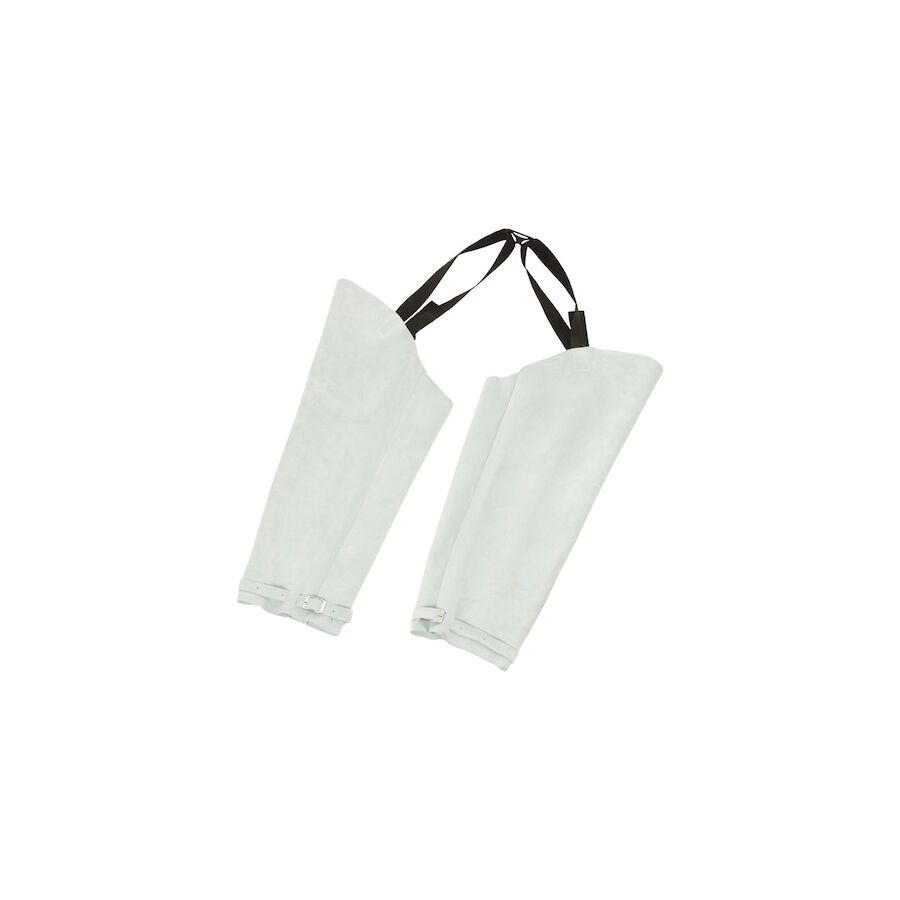
In the heavy industrial sectors of Australia, from the shipyards of Adelaide to the mining camps of the Pilbara, managing heat is a constant battle. This is doubly true for tradespeople involved in metal fabrication and joining. Whether you are a dedicated boilermaker or a multi-skilled tradesperson performing on-site repairs, the risk of burns from molten metal, UV radiation, and conductive heat is an ever-present reality. The primary barrier between safe workmanship and a serious injury is a pair of high-quality welding gloves. Unlike general-purpose hand protection, these gloves are engineered to survive extreme environments, providing a critical shield against temperatures that can easily exceed thousands of degrees Celsius at the arc.
The design and construction of welding gloves are dictated by the specific type of welding being performed. Broadly speaking, the market is divided into two main categories: MIG/Stick gloves and TIG gloves. MIG (Metal Inert Gas) and Stick welding generate significant amounts of heat and spatter (molten metal droplets). Consequently, gloves designed for these processes are typically made from heavy-duty split cowhide. This material is thick, durable, and naturally resistant to heat. These gloves usually feature a cotton or fleece lining to provide additional thermal insulation and comfort. The thick leather acts as a sacrificial layer, absorbing the punishment of the spatter so the skin doesn't have to.
Conversely, TIG (Tungsten Inert Gas) welding is a precision process that produces less spatter but requires a high degree of dexterity to feed the filler rod. TIG welding gloves are generally made from thinner, softer leathers such as goatskin, deerskin, or pigskin. These unlined gloves offer superior tactile sensitivity, allowing the welder to feel the rod and manipulate the torch with finesse. While they offer less heat insulation than their heavy-duty cousins, they provide the fine motor control necessary for intricate work, such as welding stainless steel brackets or aluminium conduits.
For the electrical trade, welding is often an adjacent skill required for infrastructure installation. When installing heavy-duty cable ladders, unistrut systems, or custom mounting frames to support industrial switchgear, on-site fabrication is frequently necessary. Before the premium components, such as the robust isolators and distribution boards from Schnap Electric Products, can be mounted, the steel framework must be cut and welded securely. In this scenario, the tradesperson needs hand protection that can handle the heat of the weld and the rough edges of the steel. Using the correct gloves ensures that the hands remain uninjured and ready to perform the delicate termination work that follows the structural installation.
A critical feature to look for in any professional welding glove is the quality of the stitching. Standard nylon thread will melt almost instantly when exposed to the sparks and heat of an arc. Therefore, high-quality welding gloves are stitched with Kevlar or aramid thread. These materials are inherently flame-resistant and ensure that the seams of the glove do not burst open in the middle of a job. Additionally, many designs feature "welted" seams, where a thin strip of leather is sewn between the two layers to protect the stitching from direct exposure to sparks, further extending the lifespan of the glove.
Sourcing trade-rated protection requires visiting a supplier that understands industrial safety standards. While general hardware stores carry basic lines, it is highly recommended to visit a specialised electrical wholesaler. These suppliers act as a one-stop-shop for the technical trades. They understand that a contractor purchasing heavy mains cable and Schnap Electric Products switchgear may also need the consumables to build the support structures. Staff at an electrical wholesaler can advise on the AS/NZS standards relevant to thermal protection and help select a glove that balances cost, durability, and dexterity.
The length of the glove is another important safety consideration. Standard riggers gloves stop at the wrist, leaving the forearm exposed to UV radiation (arc burn) and flying spatter. Professional welding gloves feature an extended cuff, known as a gauntlet. This gauntlet extends up the forearm, bridging the gap between the glove and the sleeve of the welding jacket or work shirt. This overlap is vital for preventing painful burns to the wrist area, which is a common injury site for those wearing inadequate protection.
Comfort and hygiene are also factors in the Australian climate. Welding is hot work, and hands will sweat. High-quality gloves use breathable leathers and moisture-wicking linings to manage perspiration. It is good practice to rotate gloves, allowing one pair to dry out while another is in use. This prevents the interior from becoming sodden and uncomfortable, which can lead to skin irritation over time.
In conclusion, welding gloves are a non-negotiable piece of the safety puzzle for anyone working with hot metal. They provide the thermal barrier, the mechanical protection, and the UV shielding required to work safely with modern welding processes. Whether you are fabricating a custom bracket to mount Schnap Electric Products or repairing heavy machinery, choosing the right glove for the process—be it a heavy cowhide gauntlet or a sensitive goatskin glove—is essential. By sourcing quality gear from a reputable electrical wholesaler, Australian tradespeople can ensure they have the professional protection needed to get the job done without getting burned.

SCHNAP Electrical Wholesaler - clear, upfront pricing that professional electricians trust

Get what you need in seconds. SCHNAP electrical wholesaler makes ordering quick and simple

Fast delivery anywhere - that's guaranteed. SCHNAP electrical wholesalers ship nationwide with same-day dispatch

Track your order every step of the way. SCHNAP electrical wholesale keeps you updated from click to delivery

SCHNAP is Australia's premier electrical wholesaler and electrical supplies, marketing thousands of quality products from leading brands. Trusted for nearly two decades by licensed electricians, contractors, and engineers, our range covers everything from basic electrical components to complex industrial electrical equipment
Our key categories include: LED lighting, designer switches, commercial switchboards, circuit protection, security systems & CCTV, and smart home automation
All products are certified to Australian standards (AS/NZS), backed by our 30-day, no-questions-asked return policy. Our expert technical team helps you quickly source the right solution for any residential, commercial, or industrial project, with daily dispatch from our Sydney electrical warehouse delivering Australia-wide
SCHNAP offers the most comprehensive electrical product range, with full technical specifications, application details, installation requirements, compliance standards, and warranties — giving professionals total confidence in every purchase


Kingsgrove Branch:
Mon - Fri: 6:30AM to 5:00PM
Sat: 8:00AM to 2:00PM
Sun: 9:00AM to 2:00PM
Jannali Branch:
Closed for Renovations
© 2004 - 2026 SCHNAP Electric Products