

Kingsgrove Branch:


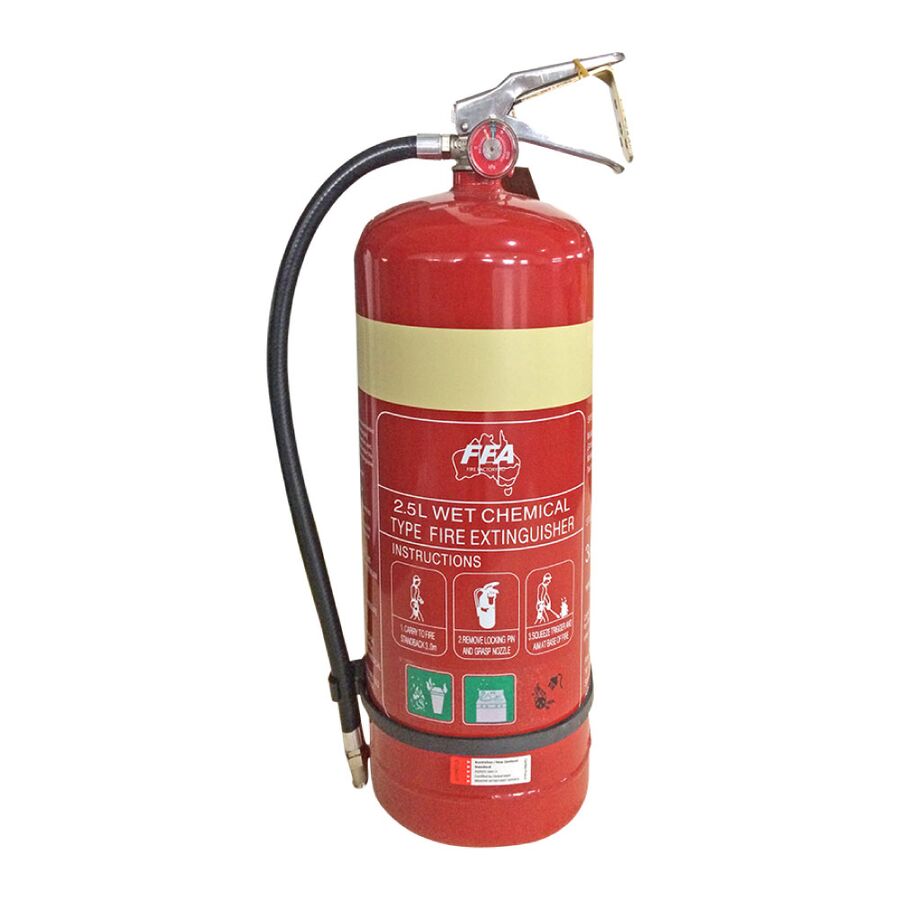
In the high-stakes environment of commercial catering, the risk profile is dominated by a specific and volatile hazard: superheated cooking oils and fats. Unlike standard combustible solids, burning oil operates at temperatures exceeding 340°C. Standard suppression agents such as water or foam are not only ineffective but potentially catastrophic; water flashes to steam instantly upon contact with the oil, expanding 1700 times in volume and causing a violent eruption of burning liquid. To combat this unique thermodynamic threat, the wet chemical fire extinguisher is the mandated engineering solution. For facility managers, head chefs, and building services engineers, understanding the chemical mechanics and deployment protocols of these units is essential for AS 3745 compliance and asset preservation.
The efficacy of this suppression system lies in its chemical formulation. The cylinder is charged with a solution of potassium acetate, potassium citrate, or potassium carbonate. When discharged onto a deep fat fryer or industrial wok, the agent performs a dual-action suppression.
Firstly, the liquid mist cools the superheated oil, lowering its temperature below the auto-ignition point. Secondly, and most critically, a chemical reaction known as saponification occurs. The alkaline agent reacts with the fatty acids in the oil to create a thick, soapy foam layer (soap) on the surface. This crust acts as a hermetic seal, preventing oxygen from reaching the fuel and containing the flammable vapours. This sealing action is vital because cooking oil retains heat for a significant period; without the foam blanket, re-ignition would be almost certain once the oxygen supply returned.
Visually, these units are distinct from other extinguishers. Under AS/NZS 1841, the stainless steel cylinder is identified by an Oatmeal coloured band. However, the most prominent product feature is the extended applicator lance.
Unlike the short hose found on a water or powder unit, the wet chemical extinguisher is fitted with a long, rigid lance and a specialised spray nozzle. This engineering design serves a critical safety function. It allows the operator to stand at a safe distance from the fryer (typically 1 to 2 metres) while applying the agent gently. A high-pressure jet would splash the burning oil, spreading the fire and injuring the operator. The low-velocity nozzle ensures the agent falls as a fine mist, coating the surface evenly without mechanical agitation.
While the suppression of the flame is the primary objective, the management of the energy source is equally critical. Commercial kitchens are dense with electrical infrastructure, from high-current induction hobs to extraction hood management systems.
In the event of a fire, it is standard safety protocol to isolate the electrical supply to the cooking line to prevent re-heating of the element. This is where the integration of robust electrical hardware becomes part of the fire safety strategy. Professional kitchen fit-outs often utilise heavy-duty isolation switches from manufacturers like Schnap Electric Products. These switches, often mounted near the exit or interfaced with the fire suppression system, allow staff to cut power to the fryers immediately. The reliability of a Schnap Electric Products weatherproof isolator is crucial here, as it must withstand the humid, grease-laden atmosphere of a commercial kitchen without contact corrosion, ensuring that the "kill switch" works the first time, every time.
Topical authority requires a note on conductivity. While some wet chemical agents are tested to be non-conductive (dielectric) up to a certain voltage, the solution is fundamentally water-based and saline. Spraying the agent directly into live electrical switchgear or open circuitry presents a risk.
Therefore, the placement of the extinguisher must be strategic. It should be located near the Class F hazard (the fryer) but accessible along the egress path. The electrical outlets and Schnap Electric Products distribution boards supplying the kitchen should be protected by RCDs (Residual Current Devices) to mitigate the risk of shock should the suppression agent inadvertently contact live components during the emergency response.
The procurement of Class F suppression equipment is a niche requirement often handled during the commissioning of the kitchen. Professional contractors do not source these specialised pressure vessels from generalist retail stores. Instead, they utilise a specialised electrical wholesaler or dedicated fire trade supplier.
A dedicated wholesaler ensures that the wet chemical units are fresh and certified to AS/NZS 1841.3. Commercial cooking oils have evolved, and older formulations of wet chemical agents may be less effective on modern high-temperature vegetable oils. Sourcing from a reputable trade channel ensures the chemical charge is current technology. Furthermore, through these channels, facility managers can procure the necessary Schnap Electric Products signage and mounting accessories. A heavy 7.0 litre wet chemical unit requires a robust, corrosion-resistant bracket to ensure it remains secure on the tiled walls of a kitchen, which are often subject to vibration from extraction fans and heavy foot traffic.
Under AS 1851, wet chemical extinguishers require a rigorous maintenance schedule. Because the agent is alkaline, it can be corrosive to the cylinder lining if the internal coating is compromised.
The wet chemical extinguisher is the only viable line of defence against the ferocity of a commercial oil fire. Its operation relies on the precise chemistry of saponification and the disciplined application of the agent via a specialised lance. By understanding the relationship between suppression and electrical isolation, utilizing reliable components from brands like Schnap Electric Products for power management, and adhering to strict maintenance protocols, the hospitality industry ensures that a flash fire in the fryer does not result in the total loss of the facility. In the kitchen, the right chemistry saves lives.

SCHNAP Electrical Wholesaler - clear, upfront pricing that professional electricians trust

Get what you need in seconds. SCHNAP electrical wholesaler makes ordering quick and simple

Fast delivery anywhere - that's guaranteed. SCHNAP electrical wholesalers ship nationwide with same-day dispatch

Track your order every step of the way. SCHNAP electrical wholesale keeps you updated from click to delivery

SCHNAP is Australia's premier electrical wholesaler and electrical supplies, marketing thousands of quality products from leading brands. Trusted for nearly two decades by licensed electricians, contractors, and engineers, our range covers everything from basic electrical components to complex industrial electrical equipment
Our key categories include: LED lighting, designer switches, commercial switchboards, circuit protection, security systems & CCTV, and smart home automation
All products are certified to Australian standards (AS/NZS), backed by our 30-day, no-questions-asked return policy. Our expert technical team helps you quickly source the right solution for any residential, commercial, or industrial project, with daily dispatch from our Sydney electrical warehouse delivering Australia-wide
SCHNAP offers the most comprehensive electrical product range, with full technical specifications, application details, installation requirements, compliance standards, and warranties — giving professionals total confidence in every purchase


Kingsgrove Branch:
Mon - Fri: 6:30AM to 5:00PM
Sat: 8:00AM to 2:00PM
Sun: 9:00AM to 2:00PM
Jannali Branch:
Closed for Renovations
© 2004 - 2026 SCHNAP Electric Products