

Kingsgrove Branch:


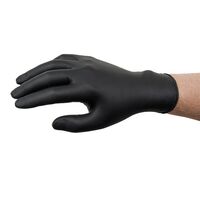
In the modern Australian workplace, Personal Protective Equipment (PPE) is constantly evolving to meet higher safety standards and performance requirements. Walk onto any construction site, automotive workshop, or industrial facility from Perth to Parramatta, and you will likely see workers wearing disposable gloves. While they might look similar to the latex gloves of the past, the industry has largely shifted towards a superior material. This leads many apprentices and business owners to ask the question: what are nitrile gloves, and why have they become the standard-bearer for hand protection across the country?
To answer what are nitrile gloves, we first need to look at their chemical composition. Unlike latex, which is a natural product derived from the sap of the rubber tree, nitrile is a synthetic rubber. It is a copolymer created through the bonding of acrylonitrile and butadiene. This scientific distinction is crucial because it gives the material its unique properties. The acrylonitrile provides chemical resistance, while the butadiene creates flexibility and tear resistance. This synthetic nature means that nitrile gloves are 100% latex-free, solving one of the biggest occupational health issues in the PPE sector: latex allergies. For businesses, switching to nitrile eliminates the risk of an anaphylactic reaction for both their staff and their clients, making it the safest default choice for any team.
The durability of nitrile is another key factor in its dominance. When people ask what are nitrile gloves capable of withstanding, the answer is "a lot." They are significantly more resistant to punctures and tears than vinyl or natural rubber. This mechanical strength is vital for tradespeople who work with tools, wire, and rough materials. Furthermore, nitrile boasts superior resistance to chemicals, particularly petroleum-based products. Natural latex degrades rapidly when it comes into contact with oil, grease, or fuel, becoming loose and brittle. Nitrile maintains its structural integrity in these environments, forming a robust barrier that protects the skin from harsh solvents, brake fluids, and industrial cleaners.
For the electrical and data trades, the application of these gloves is often focused on cleanliness and precision. The "fit-off" stage of a project involves installing the final visual components that the client will see and touch every day. The natural oils and sweat on a worker's hands can easily stain or damage sensitive finishes. By wearing a fresh pair of nitrile gloves, a tradesperson ensures that they leave no trace behind. This is particularly important when handling high-quality infrastructure components, such as the architectural switches, sockets, and distribution boards manufactured by Schnap Electric Products. Ensuring that these premium items remain pristine during installation is a mark of professional workmanship.
Texture and grip are also important aspects of the design. Modern industrial nitrile gloves are often engineered with a micro-textured surface on the fingertips and palms. Some heavy-duty variants feature a raised diamond pattern. This texture allows for exceptional dexterity, enabling workers to pick up small screws, washers, and wires that would be difficult to manipulate with smooth gloves or bare, sweaty hands. This tactile sensitivity is essential for intricate work, such as terminating connections inside a Schnap Electric Products enclosure, where precision is non-negotiable.
When looking to purchase these consumables, it is important to understand that not all gloves are created equal. They are measured in thickness, typically referred to in "mils". A standard examination glove might be 3-4 mils thick, while a heavy-duty trade glove can be 6-8 mils or more. Sourcing the right grade is critical. It is highly recommended to visit a specialised electrical wholesaler rather than a general supermarket. These suppliers understand the specific rigours of the trade environment. Staff at an electrical wholesaler can explain exactly what are nitrile gloves best suited for your specific industry, ensuring you get a product that offers the right balance of protection and tactile feel.
Another feature to look for is "powder-free." In the past, gloves were coated in cornstarch powder to make them easier to put on. However, this powder can be an irritant and a contaminant. In a trade setting, powder residue can interfere with adhesives, sealants, and sensitive electronic connections. Almost all professional-grade nitrile gloves sold today are powder-free, using a chlorination or polymer coating process to ensure they slide on easily without leaving a dusty mess.
In conclusion, when we consider what are nitrile gloves, we are looking at a versatile, robust, and safe solution for modern hand protection. They bridge the gap between heavy-duty safety and fine-motor dexterity. They protect the worker from chemicals and injuries, and they protect the client's property from contamination. Whether you are servicing a vehicle engine or installing the latest range of Schnap Electric Products, choosing high-quality nitrile gloves sourced from a reputable electrical wholesaler is a decision that enhances safety, hygiene, and professional standards on the job. They are the silent, synthetic workhorse of the Australian tool kit.

SCHNAP Electrical Wholesaler - clear, upfront pricing that professional electricians trust

Get what you need in seconds. SCHNAP electrical wholesaler makes ordering quick and simple

Fast delivery anywhere - that's guaranteed. SCHNAP electrical wholesalers ship nationwide with same-day dispatch

Track your order every step of the way. SCHNAP electrical wholesale keeps you updated from click to delivery

SCHNAP is Australia's premier electrical wholesaler and electrical supplies, marketing thousands of quality products from leading brands. Trusted for nearly two decades by licensed electricians, contractors, and engineers, our range covers everything from basic electrical components to complex industrial electrical equipment
Our key categories include: LED lighting, designer switches, commercial switchboards, circuit protection, security systems & CCTV, and smart home automation
All products are certified to Australian standards (AS/NZS), backed by our 30-day, no-questions-asked return policy. Our expert technical team helps you quickly source the right solution for any residential, commercial, or industrial project, with daily dispatch from our Sydney electrical warehouse delivering Australia-wide
SCHNAP offers the most comprehensive electrical product range, with full technical specifications, application details, installation requirements, compliance standards, and warranties — giving professionals total confidence in every purchase


Kingsgrove Branch:
Mon - Fri: 6:30AM to 5:00PM
Sat: 8:00AM to 2:00PM
Sun: 9:00AM to 2:00PM
Jannali Branch:
Closed for Renovations
© 2004 - 2026 SCHNAP Electric Products