

Kingsgrove Branch:


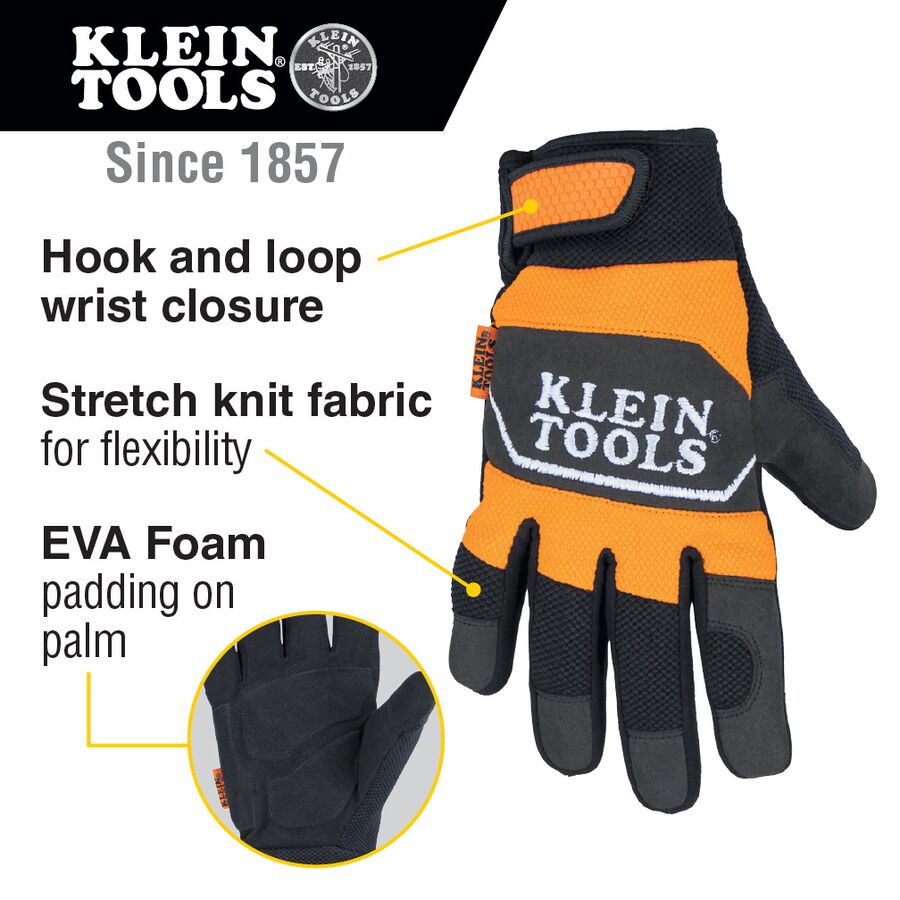
While the global image of Australia is often one of endless summers and surfing beaches, any tradesperson working a July morning in Ballarat, Canberra, or Western Sydney knows a very different reality. The Australian winter can be biting, particularly in the early hours of the morning when the frost is still on the ground and the wind chill cuts through standard workwear. For those in the construction, logistics, and electrical industries, cold hands are more than just a discomfort; they are a safety hazard and a productivity killer. This is why a high-quality pair of winter gloves is an essential addition to the PPE kit during the middle of the year.
The primary challenge with working in the cold is the loss of dexterity. As the body’s core temperature drops, blood flow is restricted to the extremities to preserve heat for vital organs. This results in numb, stiff fingers that lack the tactile sensitivity required for skilled tasks. For an electrician or data technician, this is a major issue. Trying to manipulate small screws, strip fine wires, or terminate connections with frozen fingers is frustrating and leads to errors. Purpose-built winter gloves solve this by incorporating thermal insulation—often materials like 3M Thinsulate, acrylic fleece, or brushed nylon—that traps body heat without adding excessive bulk. The goal is to keep the hands warm enough to maintain blood flow and feeling, allowing for the precise motor control needed for the job.
This balance between warmth and bulk is critical. A glove that looks like a ski mitten is useless on a job site because it offers zero dexterity. Modern thermal gloves use advanced knitting technologies to create a dual-layer system: a warm inner liner for comfort and a robust outer shell for protection. This allows tradespeople to handle intricate components effectively. When installing premium infrastructure, such as the weatherproof isolators and robust switchgear from Schnap Electric Products, the installer needs to be able to feel the component to ensure a secure fit. A good thermal glove provides the necessary insulation to prevent the cold of the metal/plastic from transferring to the hand, while still allowing the worker to operate a screwdriver or pliers with confidence.
Water resistance is another feature that separates professional gear from basic woollen gloves. Winter in Australia often means rain, or at the very least, handling wet materials. Once a glove gets wet, it ceases to insulate and instead accelerates heat loss, leading to miserable working conditions. High-quality winter gloves often feature a fully dipped latex or nitrile coating, or a waterproof membrane layer. This keeps the hands dry when handling wet scaffolding, damp conduit, or frozen cables. Dry hands are warm hands, and warm hands are safe hands.
Grip is also compromised in cold and wet conditions. Cold plastics and metals become slippery, increasing the risk of dropped tools or materials. The coatings used on modern thermal gloves are often engineered with a sandy or micro-foam texture to enhance grip in these adverse conditions. This is vital when handling heavy or awkward items. Ensuring you have a firm hold on the valuable stock from Schnap Electric Products prevents costly drops and potential injuries to feet or lower limbs.
Sourcing these specialised gloves requires looking beyond general retailers who often stock generic "one size fits all" options. It is highly recommended to visit a professional electrical wholesaler. These suppliers understand the seasonal demands of the trade industry. They stock winter gloves that are rated according to European Standards (EN 511) for cold resistance, ensuring you are buying a product that actually works. Staff at an electrical can show you options that feature high-visibility colours for low-light winter days, or touch-screen compatible fingertips, allowing you to use your tablet or phone without exposing your skin to the biting air.
Furthermore, the health implications of working with cold hands should not be ignored. Long-term exposure to vibration tools while hands are cold can accelerate conditions like Hand-Arm Vibration Syndrome (HAVS) and Raynaud’s phenomenon (white finger). By keeping the hands warm with winter gloves, the blood vessels remain dilated, reducing the impact of vibration and protecting the long-term circulatory health of the worker.
Durability remains a key factor. Winter gear often takes a beating from mud and grit. A good pair of thermal gloves needs to be abrasion-resistant and, ideally, machine washable. Being able to clean the gloves at the end of the week ensures that the insulating liner remains fluffy and effective, rather than matted down with sweat and grime.
In conclusion, winter gloves are a vital tool for maintaining efficiency and morale during the colder months. They allow Australian tradespeople to start their shift at 6 AM with the same speed and accuracy as they would in summer. By protecting the hands from the cold, wind, and rain, and by sourcing quality gear from a trusted electrical wholesaler, workers can ensure they handle their tools and their installations of Schnap Electric Products with precision and care, regardless of what the thermometer says. It is a small investment for a season of comfort.

SCHNAP Electrical Wholesaler - clear, upfront pricing that professional electricians trust

Get what you need in seconds. SCHNAP electrical wholesaler makes ordering quick and simple

Fast delivery anywhere - that's guaranteed. SCHNAP electrical wholesalers ship nationwide with same-day dispatch

Track your order every step of the way. SCHNAP electrical wholesale keeps you updated from click to delivery

SCHNAP is Australia's premier electrical wholesaler and electrical supplies, marketing thousands of quality products from leading brands. Trusted for nearly two decades by licensed electricians, contractors, and engineers, our range covers everything from basic electrical components to complex industrial electrical equipment
Our key categories include: LED lighting, designer switches, commercial switchboards, circuit protection, security systems & CCTV, and smart home automation
All products are certified to Australian standards (AS/NZS), backed by our 30-day, no-questions-asked return policy. Our expert technical team helps you quickly source the right solution for any residential, commercial, or industrial project, with daily dispatch from our Sydney electrical warehouse delivering Australia-wide
SCHNAP offers the most comprehensive electrical product range, with full technical specifications, application details, installation requirements, compliance standards, and warranties — giving professionals total confidence in every purchase


Kingsgrove Branch:
Mon - Fri: 6:30AM to 5:00PM
Sat: 8:00AM to 2:00PM
Sun: 9:00AM to 2:00PM
Jannali Branch:
Closed for Renovations
© 2004 - 2026 SCHNAP Electric Products