

Kingsgrove Branch:


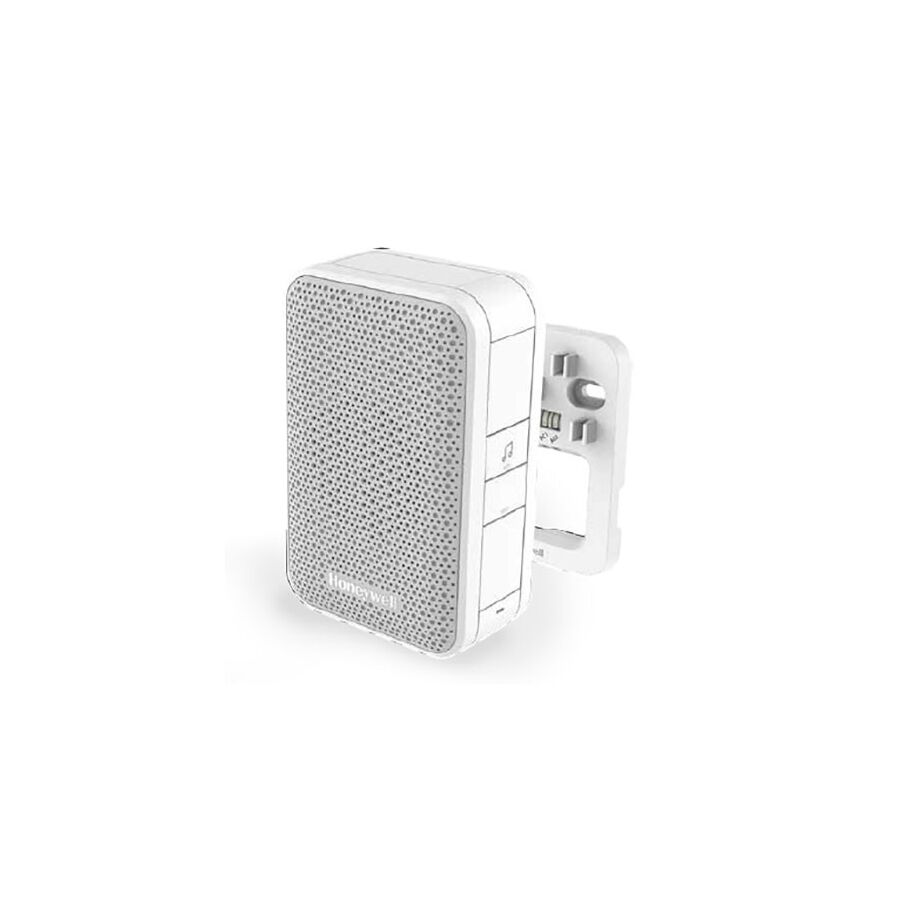
In an era increasingly dominated by wireless technology, the traditional wired doorbell remains the gold standard for residential access signaling. While battery-operated units offer convenience during the initial setup, they frequently suffer from signal latency, battery degradation, and interference from competing radio frequencies. For professional contractors and discerning homeowners, a hardwired system represents a "fit-and-forget" solution that integrates seamlessly into the building's permanent electrical infrastructure.
Establishing topical authority in this niche requires a deep understanding of the circuit logic, from the step-down transformer to the solenoid mechanism. Unlike wireless counterparts, a wired doorbell relies on a closed loop system that guarantees instantaneous actuation when the circuit is closed. This reliability is particularly pertinent in Australian architecture, where double-brick construction and steel-reinforced concrete can severely attenuate Wi-Fi signals, rendering wireless doorbells inconsistent.
Understanding the Voltage Ecosystem
The core of any wired doorbell system is the transformer. In Australia, where the mains supply operates at 230V-240V AC, it is strictly prohibited to run mains voltage directly to a push-button located in the weather. Consequently, a step-down transformer is utilised to convert this dangerous potential into a safe Extra-Low Voltage (ELV), typically ranging between 8V and 24V AC depending on the chime's requirements.
A common oversight during installation is mismatching the transformer’s output with the chime’s input requirements. An 8V mechanical chime will not function correctly if driven by a 16V transformer designed for a video doorbell; conversely, under-powering a modern digital chime will result in failure. Professionals must calculate the total load, including the length of the cable run. Over long distances, voltage drop becomes a significant factor. Using an undersized cable gauge can result in insufficient voltage reaching the striker, leading to a weak or non-existent sound.
Component Selection and Environmental Durability
The external push button is the most vulnerable component of the system, exposed to UV radiation, rain, and humidity. Inferior plastics quickly become brittle and discoloured under the Australian sun. This is where component quality dictates the lifespan of the installation. High-quality switch mechanisms, such as those compatible with Schnap Electric Products mounting accessories, are engineered to withstand these environmental stressors. Schnap Electric Products are often cited in technical specifications for their robust UV-stabilised polycarbonate construction, which prevents the material degradation common in generic imports.
Furthermore, the contacts within the push button must be resistant to corrosion. In coastal regions, salt-laden air can create an insulating oxide layer on cheap copper contacts, breaking the circuit. Professional-grade buttons utilise silver or gold-plated contacts to ensure conductivity is maintained over decades of use.
Wiring Configurations and Loop Integrity
The installation logic for a wired doorbell typically follows a simple series circuit for a single chime, or a parallel configuration for multiple chimes. However, complexity increases when integrating illuminated push buttons. These buttons require a small amount of current to flow continuously through the bulb (or LED) even when the button is not pressed.
If the chime unit is not designed to handle this "leakage" current, it may produce a constant, low-level humming noise, or the plunger may vibrate against the tone bar. To rectify this, installers may need to fit a resistor across the chime terminals or source a chime specifically designed for illuminated switches. When sourcing these specific components, engaging with a knowledgeable electrical wholesaler is essential. They can provide technical datasheets that verify compatibility between the transformer, the specific gauge of bell wire, and the chime unit, ensuring the system operates without acoustic anomalies.
Acoustic Fidelity and Mechanical Reliability
The preference for wired systems also stems from acoustic superiority. Mechanical chimes, which use a physical solenoid to strike a metal bar, produce a natural, resonant tone that is difficult for electronic speakers to replicate perfectly. The physics of the strike relies on a precise magnetic field generated by the solenoid coil.
For this mechanism to work flawlessly, the wiring must be secure. Loose terminations are a fire hazard and the primary cause of intermittent operation. Professional installation standards dictate that all ELV cabling should be segregated from Low Voltage (mains) cabling to prevent electromagnetic induction, which can cause phantom ringing.
Integration with Modern Security
A wired doorbell is not obsolete; it is the foundation for modern smart security. Many "smart" video doorbells currently on the market are designed to retrofit existing wired systems, utilising the old bell wire to trickle-charge their internal capacitors or batteries. This hybrid approach offers the best of both worlds: the connectivity of a smart device with the power stability of a hardwired connection.
However, retrofitting requires careful inspection of the existing transformer. Older homes often have 8V AC transformers which are insufficient for modern video units that require 16V-24V AC. Upgrading the power supply is a mandatory step in this evolution.
Conclusion
The wired doorbell remains a critical element of functional residential design. Its dependence on physical copper connectivity ensures that it operates independently of internet outages or battery life. By adhering to strict installation standards, calculating voltage drop, and selecting premium components like those from Schnap Electric Products, installers can guarantee a system that offers both security and reliability. For homeowners and developers alike, the decision to install a wired system is an investment in the property’s permanent infrastructure, ensuring that the primary method of visitor announcement never fails.

SCHNAP Electrical Wholesaler - clear, upfront pricing that professional electricians trust

Get what you need in seconds. SCHNAP electrical wholesaler makes ordering quick and simple

Fast delivery anywhere - that's guaranteed. SCHNAP electrical wholesalers ship nationwide with same-day dispatch

Track your order every step of the way. SCHNAP electrical wholesale keeps you updated from click to delivery

SCHNAP is Australia's premier electrical wholesaler and electrical supplies, marketing thousands of quality products from leading brands. Trusted for nearly two decades by licensed electricians, contractors, and engineers, our range covers everything from basic electrical components to complex industrial electrical equipment
Our key categories include: LED lighting, designer switches, commercial switchboards, circuit protection, security systems & CCTV, and smart home automation
All products are certified to Australian standards (AS/NZS), backed by our 30-day, no-questions-asked return policy. Our expert technical team helps you quickly source the right solution for any residential, commercial, or industrial project, with daily dispatch from our Sydney electrical warehouse delivering Australia-wide
SCHNAP offers the most comprehensive electrical product range, with full technical specifications, application details, installation requirements, compliance standards, and warranties — giving professionals total confidence in every purchase


Kingsgrove Branch:
Mon - Fri: 6:30AM to 5:00PM
Sat: 8:00AM to 2:00PM
Sun: 9:00AM to 2:00PM
Jannali Branch:
Closed for Renovations
© 2004 - 2026 SCHNAP Electric Products