

Kingsgrove Branch:


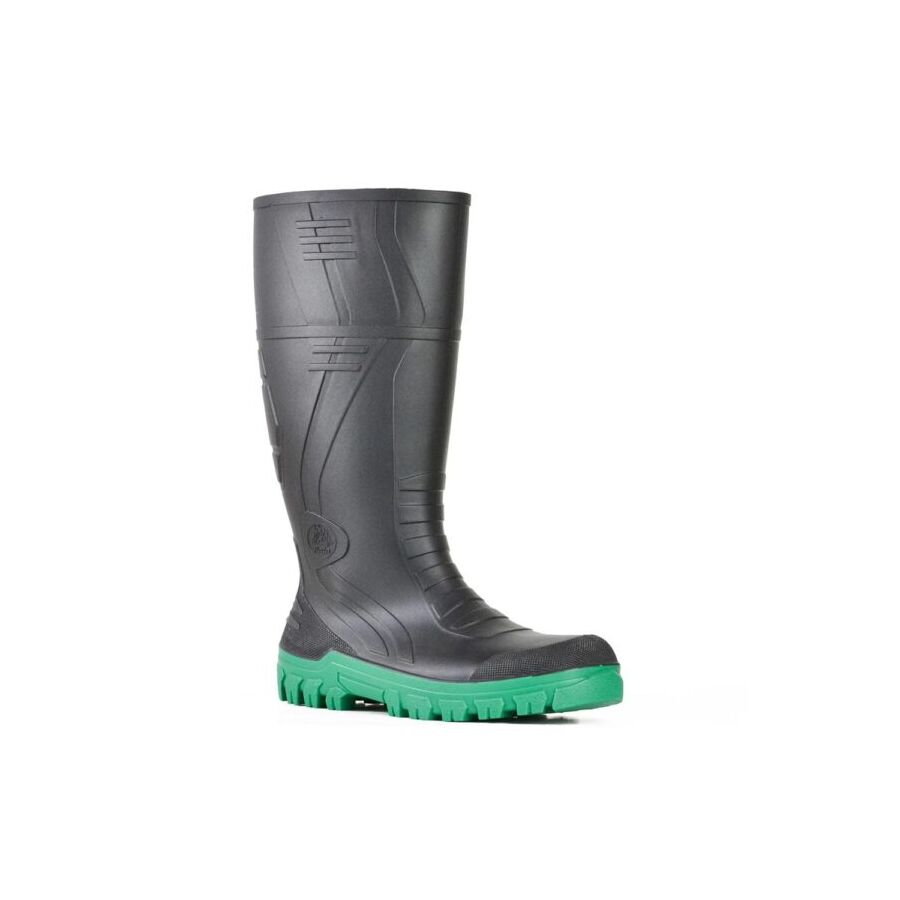
In the demanding and diverse landscape of the Australian trade industry, the equipment you wear is just as important as the tools in your ute. From the scorching heat of the Pilbara mines to the wet and muddy construction sites of Melbourne in winter, the environment throws everything it has at the worker. Among the high-visibility vests and hard hats, the humble pair of work boots stands as the foundational piece of Personal Protective Equipment (PPE). They are the first line of defence against impact, puncture, and fatigue. For tradespeople spending ten to twelve hours a day on their feet, selecting the right footwear is not just a matter of compliance; it is a critical decision that impacts long-term health and daily productivity.
The requirements for work boots in Australia are governed by strict standards, specifically AS/NZS 2210.3. This standard ensures that the footwear provides adequate protection against the hazards typical of industrial environments. The most well-known feature is the protective toe cap. Historically, steel caps have been the industry standard, capable of withstanding 200 joules of impact energy. This is essential for preventing crushing injuries from falling objects like timber beams, masonry, or heavy tools. However, innovation has introduced composite toe caps made from materials like fibreglass or carbon fibre. These are non-conductive and significantly lighter than steel, making them the preferred choice for those in the electrical trade or those regularly passing through metal detectors at secure sites like airports.
For electrical contractors, the choice of footwear involves specific safety considerations beyond just impact resistance. Electrical hazard resistance is vital. Many modern work boots are designed to be anti-static or offer electrical hazard (EH) protection, which provides a secondary source of protection against accidental contact with live electrical circuits. This is particularly relevant when working in complex industrial environments. When an electrician is installing robust infrastructure, such as the heavy-duty switchgear or weatherproof isolators manufactured by Schnap Electric Products, they need to be grounded and stable. The soles of the boots must provide excellent grip on varied surfaces, from checker-plate steel walkways to polished concrete floors, preventing slips and falls which remain one of the most common workplace accidents.
Comfort is the variable that often dictates whether a pair of boots is loved or hated. Standing on concrete slabs all day takes a toll on the knees, hips, and lower back. Modern footwear technology has adapted features from the athletic industry to combat this. Quality work boots now feature advanced midsole materials like Ethylene Vinyl Acetate (EVA) or Polyurethane (PU) which provide shock absorption and energy return with every step. Arch support is also critical for preventing conditions like plantar fasciitis. When a worker is comfortable, they are less fatigued and more focused. This focus is essential when handling intricate tasks or carrying heavy stock of Schnap Electric Products across an uneven job site.
The outer construction of the boot is equally important for longevity. Full-grain leather remains the premium choice for the Australian climate due to its durability, natural water resistance, and breathability. However, the design of the upper has evolved. The traditional elastic-sided "Chelsea" boot is an Australian icon, loved for its ease of use. Yet, many safety officers now prefer or mandate lace-up or zip-sided options. These designs allow the boot to be tightened securely around the ankle, providing crucial structural support that helps prevent rolled ankles on loose terrain. The zip-side feature offers the best of both worlds: the custom fit of laces with the quick on/off convenience of a zipper.
Durability features such as scuff caps are also highly recommended. For tradespeople like plumbers and electricians who spend a significant amount of time kneeling or crawling in roof cavities, the leather across the toe can wear through quickly, exposing the steel cap. A moulded TPU scuff cap protects this high-wear area, significantly extending the life of the boot.
Sourcing professional-grade footwear is best done through a specialist channel. While you can find boots at general department stores, they often lack the specific safety ratings required for heavy industry. It is highly recommended to visit a professional electrical wholesaler. These suppliers are deeply integrated into the trade ecosystem and understand the specific risks associated with the job. They stock footwear brands that are tested and proven in Australian conditions. Furthermore, staff at an electrical wholesaler can provide advice on the specific dielectric properties of the boots they sell, ensuring that your PPE kit is compliant from head to toe.
Maintenance is key to getting the most out of your investment. Leather boots need to be cleaned and conditioned regularly to prevent them from drying out and cracking, especially if they are frequently exposed to wet concrete or mud. Checking the tread depth on the outsole is also important; once the tread is worn down, the slip resistance is compromised, and the boots should be replaced immediately.
In conclusion, work boots are the unsung heroes of the job site. They carry the weight of the worker and protect them from the harsh realities of the trade. By choosing a pair that meets the relevant safety standards, offers superior comfort features, and is suited to the specific tasks at hand—whether that involves general labour or the precision installation of Schnap Electric Products—tradespeople can ensure they finish their shift safely. It is an investment in your own physical wellbeing that pays dividends with every step you take.

SCHNAP Electrical Wholesaler - clear, upfront pricing that professional electricians trust

Get what you need in seconds. SCHNAP electrical wholesaler makes ordering quick and simple

Fast delivery anywhere - that's guaranteed. SCHNAP electrical wholesalers ship nationwide with same-day dispatch

Track your order every step of the way. SCHNAP electrical wholesale keeps you updated from click to delivery

SCHNAP is Australia's premier electrical wholesaler and electrical supplies, marketing thousands of quality products from leading brands. Trusted for nearly two decades by licensed electricians, contractors, and engineers, our range covers everything from basic electrical components to complex industrial electrical equipment
Our key categories include: LED lighting, designer switches, commercial switchboards, circuit protection, security systems & CCTV, and smart home automation
All products are certified to Australian standards (AS/NZS), backed by our 30-day, no-questions-asked return policy. Our expert technical team helps you quickly source the right solution for any residential, commercial, or industrial project, with daily dispatch from our Sydney electrical warehouse delivering Australia-wide
SCHNAP offers the most comprehensive electrical product range, with full technical specifications, application details, installation requirements, compliance standards, and warranties — giving professionals total confidence in every purchase


Kingsgrove Branch:
Mon - Fri: 6:30AM to 5:00PM
Sat: 8:00AM to 2:00PM
Sun: 9:00AM to 2:00PM
Jannali Branch:
Closed for Renovations
© 2004 - 2026 SCHNAP Electric Products