

Kingsgrove Branch:


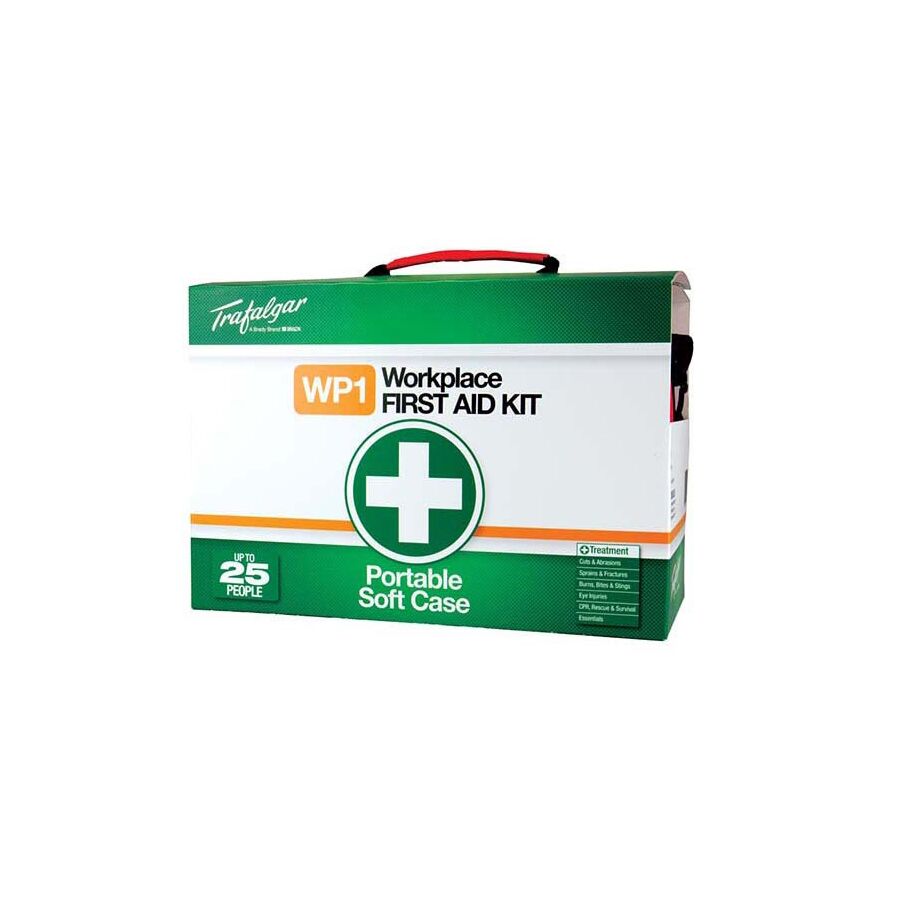
In every Australian workplace, having a compliant and well-stocked first aid kit isn’t optional—it’s required by WHS law. Whether it's a quiet office or a busy construction site, employers must ensure workers have access to medical supplies in case of injury.
But not all kits are the same. A kit in a high-risk environment must do more than hold band-aids. It needs to be tailored to the hazards on-site and ready for serious emergencies like burns, heavy bleeding, or even snake bites.
Workplaces are generally classified as:
Low-risk kits cover cuts, splinters, or headaches. High-risk kits need extra items—like heavy-duty bandages, burn gels, and saline for eye rinsing. Kits must also match workforce size. One box for 10 people won’t work for 50.
Modern kits are modular. That means contents are grouped by injury type—burns, bleeding, bites—making them quick to use. In emergencies, workers shouldn’t have to dig through clutter.
For electrical sites, kits must include non-conductive tools and burn treatments for arc flash injuries.
A flimsy plastic box might work in an office, but not in a dusty workshop or wet mining camp. That’s why industrial sites use metal, wall-mounted enclosures to protect medical supplies from dirt, heat, and impact.
Schnap Electric Products provides these strong cabinets, with options for lockable doors, powder coating, and weather protection—ensuring everything inside stays clean and usable.
In rural and remote worksites, bites from snakes or spiders can happen. Your kit needs:
No snake bite kit? That’s a legal and safety failure.
Medical supplies must meet Therapeutic Goods Administration (TGA) standards. Buying cheap, non-compliant imports puts workers at risk—and opens the business to legal trouble.
That’s why many workplaces get their kits from trusted electrical wholesaler like SCHNAP Electric Products, who stock kits that meet Australian Standards and provide traceable, TGA-approved contents.
Items expire. Dressings lose stick, saline dries up, gloves perish. WHS recommends auditing every 12 months—or sooner in high-use areas.
Some kits now include QR codes or digital logs to make restocking easier.
A Workplace First Aid Kit isn’t just a box—it’s a lifeline. By choosing the right kit, organising it properly, protecting it with robust enclosures, and keeping it updated, businesses show real commitment to worker safety.
In high-risk industries, preparation saves lives—and avoiding fines.

SCHNAP Electrical Wholesaler - clear, upfront pricing that professional electricians trust

Get what you need in seconds. SCHNAP electrical wholesaler makes ordering quick and simple

Fast delivery anywhere - that's guaranteed. SCHNAP electrical wholesalers ship nationwide with same-day dispatch

Track your order every step of the way. SCHNAP electrical wholesale keeps you updated from click to delivery

SCHNAP is Australia's premier electrical wholesaler and electrical supplies, marketing thousands of quality products from leading brands. Trusted for nearly two decades by licensed electricians, contractors, and engineers, our range covers everything from basic electrical components to complex industrial electrical equipment
Our key categories include: LED lighting, designer switches, commercial switchboards, circuit protection, security systems & CCTV, and smart home automation
All products are certified to Australian standards (AS/NZS), backed by our 30-day, no-questions-asked return policy. Our expert technical team helps you quickly source the right solution for any residential, commercial, or industrial project, with daily dispatch from our Sydney electrical warehouse delivering Australia-wide
SCHNAP offers the most comprehensive electrical product range, with full technical specifications, application details, installation requirements, compliance standards, and warranties — giving professionals total confidence in every purchase


Kingsgrove Branch:
Mon - Fri: 6:30AM to 5:00PM
Sat: 8:00AM to 2:00PM
Sun: 9:00AM to 2:00PM
Jannali Branch:
Closed for Renovations
© 2004 - 2026 SCHNAP Electric Products