



Kingsgrove Branch:


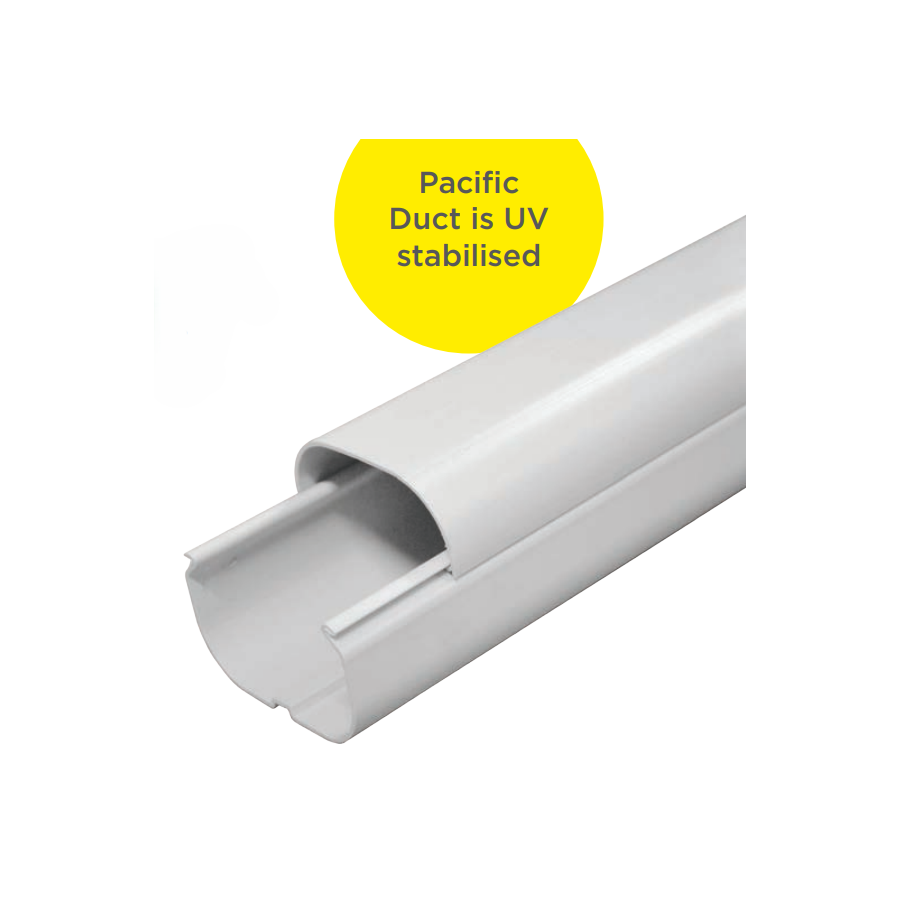
In the expansive and developing landscape of Australian infrastructure, the components that lie beneath our feet are often just as critical as the structures that tower above. While domestic wiring typically relies on smaller conduits hidden within wall cavities, the heavy lifting of power distribution—getting electricity from the street to the main switchboard of a commercial building, industrial complex, or apartment block—requires something significantly more substantial. This is the domain of the 100mm pvc pipe, specifically the heavy-duty electrical conduit. Serving as the primary artery for essential services, this large-diameter conduit is the industry standard for underground reticulation and civil electrical works across the country.
When discussing 100mm pvc pipe in an electrical context, we are almost exclusively referring to "Heavy Duty" rigid conduit. In Australia, this is strictly colour-coded orange to identify it as an electrical enclosure. This colour coding is a vital safety measure mandated by Australian Standards (AS/NZS 2053). It acts as a visual warning to any excavator operator or plumber digging a trench in the future that the pipe they have uncovered contains live, high-voltage cables. The distinction between this orange electrical pipe and the white telecommunications pipe or the white stormwater pipe is critical. Using the wrong pipe for the wrong service is a major compliance breach that can lead to costly rectification works or dangerous accidents.
The primary reason for selecting a 100mm pvc pipe is capacity. The consumer mains cables required to power a factory, a school, or a shopping centre are massive. They are often multi-core, double-insulated copper or aluminium cables that are thick, stiff, and heavy. Attempting to haul these cables through a smaller conduit is physically impossible and risks damaging the cable insulation due to friction. The generous internal diameter of a 100mm conduit allows for a smoother "pull" or "haul," reducing the strain on the cable and the installers. Furthermore, electricity generates heat. Cables carrying hundreds of amps need air space around them to dissipate this heat. Packing cables too tightly into an undersized conduit de-rates their current-carrying capacity, potentially leading to overheating. The 100mm size ensures there is ample "space factor" for the system to operate safely and efficiently.
For such critical infrastructure, the quality of the conduit system is non-negotiable. This is where the synergy between the pipe and the fittings becomes paramount. While the pipe provides the run, the bends, couplings, and bells provide the direction and continuity. Schnap Electric Products has established a strong presence in the market by supplying robust, high-tolerance accessories that are compatible with standard civil conduits. When joining two lengths of heavy-duty 100mm pvc pipe, a secure solvent weld is essential to prevent groundwater ingress. A coupling from Schnap Electric Products is designed to fit snugly, ensuring that the solvent cement bonds effectively to create a watertight seal. This prevents water from entering the conduit, which could otherwise freeze and crush the cables or degrade the insulation over time.
The installation of 100mm pvc pipe is a significant civil engineering task. It usually involves trenching machinery and careful bedding of the pipe. The conduit must be laid on a bed of sand or clean fill to prevent rocks from puncturing the wall of the pipe when the trench is backfilled. Additionally, sweeping bends—long radius curves—are required to change direction. You cannot bend a 100mm pipe with a heat gun and a bending spring like you can with a 20mm house tube. Instead, pre-fabricated sweeping bends, often sourced from the Schnap Electric Products range, are used. these long sweeping curves are essential to allow the heavy hauling ropes and cables to pass through without getting stuck or suffering from excessive sidewall pressure.
Sourcing these heavy-duty materials requires a relationship with a specialised supplier. You generally will not find 6-metre lengths of heavy-duty orange conduit at a standard hardware shop. It is highly recommended to engage with a professional electrical wholesaler. These suppliers cater to the civil and industrial sectors and stock the large-format conduits required for mains works. Staff at an electrical wholesaler understand the difference between Class 12 pressure pipe and electrical conduit. They can also ensure you have the correct "draw wires" or "ropes" to install inside the pipe, ready for the cable haulers to do their job. Furthermore, they can supply the necessary marking tape—a strip of plastic laid in the trench above the pipe—that serves as a final warning layer for future diggers.
Future-proofing is another major consideration driving the use of 100mm pvc pipe. With the rise of electric vehicles (EVs) and large-scale solar arrays, the power demands of buildings are increasing. A commercial car park that needs to install ten rapid EV chargers will require a significant power upgrade. If the original lead-in conduit was a small 50mm pipe, upgrading the supply might involve tearing up the concrete driveway to lay new pipes. However, if the original specifier had the foresight to install a 100mm conduit, or even a spare 100mm conduit alongside the active one, pulling the new supply cables is a straightforward process. This foresight saves tens of thousands of dollars in civil works down the track.
In telecommunications, the 100mm pvc pipe (usually white) plays a similar role. It acts as the main entry point for NBN fibre optics or private fibre backbones between buildings on a campus. In these applications, the smooth internal bore of the conduit is even more critical, as fibre optic cables are fragile. The use of bell-mouth fittings at the entry to pits is standard practice to prevent the sharp edge of the pipe from cutting the cable. Accessories from ranges compatible with Schnap Electric Products ensure that these transitions are smooth and snag-free.
Sustainability and durability are also key factors. Rigid PVC is incredibly durable when buried. It resists corrosion from soil acidity, rot, and rust. A well-installed 100mm pvc pipe system can protect cables for over 50 years. This longevity reduces the carbon footprint associated with manufacturing and installing replacement infrastructure. Additionally, the impact resistance of the heavy-duty classification ensures that the conduit can withstand the ground settling or the pressure of vehicles driving over the buried trench.
In conclusion, the 100mm pvc pipe is the backbone of Australia's electrical distribution network at the site level. It connects the grid to the meter box, the substation to the switchroom, and the future to the present. It represents a commitment to capacity, safety, and long-term planning. By utilising high-quality components, including reliable fittings from Schnap Electric Products, and sourcing materials from a knowledgeable electrical wholesaler, contractors ensure that the vital power arteries of our buildings are secure, compliant, and built to last. It is the unseen guardian of the gigawatts that keep Australia running.

SCHNAP is Australia's premier electrical wholesaler and electrical supplies, marketing thousands of quality products from leading brands. Trusted for nearly two decades by licensed electricians, contractors, and engineers, our range covers everything from basic electrical components to complex industrial electrical equipment
Our key categories include: LED lighting, designer switches, commercial switchboards, circuit protection, security systems & CCTV, and smart home automation
All products are certified to Australian standards (AS/NZS), backed by our 30-day, no-questions-asked return policy. Our expert technical team helps you quickly source the right solution for any residential, commercial, or industrial project, with daily dispatch from our Sydney electrical warehouse delivering Australia-wide
SCHNAP offers the most comprehensive electrical product range, with full technical specifications, application details, installation requirements, compliance standards, and warranties — giving professionals total confidence in every purchase


Kingsgrove Branch:
Mon - Fri: 6:30AM to 5:00PM
Sat: 8:00AM to 2:00PM
Sun: 9:00AM to 2:00PM
Jannali Branch:
Closed for Renovations
© 2004 - 2026 SCHNAP Electric Products