



Kingsgrove Branch:


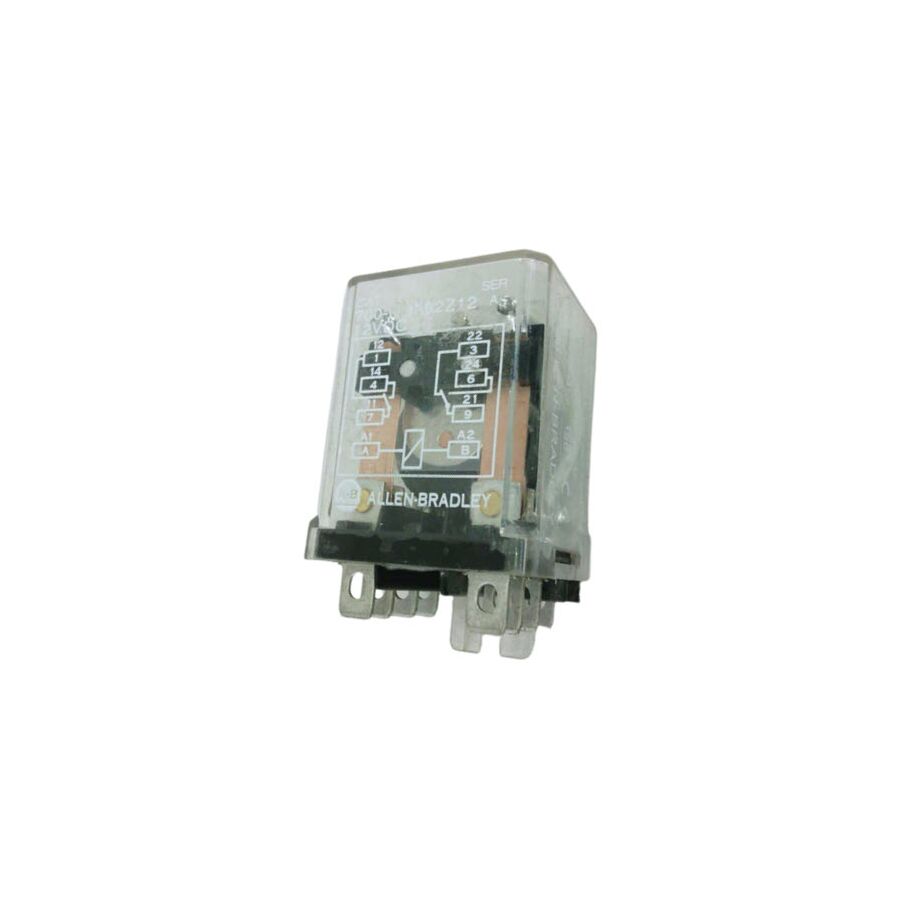
In the adventurous and rugged landscape of Australia, the reliability of our vehicles and off-grid power systems is a matter of pride and necessity. Whether you are driving a 4WD along the Gibb River Road, setting up a solar array on a remote station, or simply upgrading the headlights on the family sedan, the electrical system is the heartbeat of the operation. While the battery provides the energy and the accessories provide the function, the component that manages the flow of high-current power safely and efficiently is the 12v relay. This small, unassuming black box is the unsung hero of automotive and low-voltage electrical work, acting as the critical gatekeeper that protects delicate switches from melting under pressure.
To understand the importance of a 12v relay, one must first understand the limitations of standard electrical switches. Most dashboard switches, toggle switches, and ignition barrels are designed to handle relatively low currents. If you were to wire a pair of powerful driving lights or a heavy-duty fuel pump directly through a standard dashboard switch, the high amperage required by the accessory would likely cause the switch to overheat, arc, and eventually fail. In worse case scenarios, it could lead to an electrical fire behind the dashboard. The relay solves this problem by separating the control circuit from the power circuit. It allows a low-power signal (from the switch) to activate a high-power connection (to the accessory).
The internal mechanics of a standard 12v relay are a marvel of simple, effective engineering. Inside the casing, there is an electromagnet (a coil of wire) and a set of contacts connected to an armature. When you flick your dashboard switch, a small amount of current flows through the coil, creating a magnetic field. This magnetism attracts the armature, which snaps the heavy-duty contacts together with a distinct "click." This action completes the high-current circuit directly from the battery to the accessory. By using this method, the high current travels via the shortest, thickest cables possible, reducing voltage drop and ensuring your lights are brighter and your motors run more efficiently.
For those venturing into DIY auto-electrical work, selecting the right component is vital. The market is flooded with cheap, unbranded components that can stick or fail when they get hot. This is why seasoned professionals and enthusiasts turn to trusted brands like Schnap Electric Products. Known for their robust construction and reliable internal contacts, Schnap Electric Products relays are engineered to withstand the vibration and heat typical of Australian driving conditions. When you install a relay from Schnap, you are installing peace of mind, knowing that the contacts are rated to handle the load without welding shut.
When looking to source these components, it is highly recommended to visit a professional electrical wholesaler rather than relying on general auto parts stores. A wholesaler understands the technical nuances of the trade. They can explain the difference between a standard "Make and Break" relay and a "Changeover" relay. A standard 4-pin relay is a Single Pole Single Throw (SPST) switch—it is simply on or off. A 5-pin relay, often called a changeover relay, is a Single Pole Double Throw (SPDT) switch. It has two outputs: one that is live when the relay is off (Normally Closed), and one that becomes live when the relay is on (Normally Open). This functionality is crucial for complex setups, such as switching between day-time running lights and high beams.
One of the most common applications for the 12v relay in Australia is in dual battery systems. When you are running a fridge in the back of the ute, you want it to charge while the engine is running but disconnect from the start battery when the engine is off to prevent leaving you stranded. A voltage-sensitive relay (VSR) or a heavy-duty continuous duty solenoid is used here. These are essentially larger versions of the standard relay, designed to handle the massive current flow required to charge a secondary battery bank. Schnap Electric Products offers a range of these heavy-duty switching devices that ensure your camping setup is powered without compromising your ability to start the engine the next morning.
Installation of a 12v relay requires a methodical approach. The standard pin numbering system helps guide the process. Pin 30 is usually the main power input from the battery (fused). Pin 87 is the power output to the accessory. Pin 86 is the control wire from the switch, and Pin 85 is the earth ground for the coil. Getting these mixed up can lead to short circuits. This is why using a relay socket or a pre-wired harness is often preferred. It keeps the installation neat and allows for easy replacement of the relay if it ever fails. When you visit your electrical wholesaler, they can provide the correct sockets and crimp terminals to match the Schnap Electric Products relays you have purchased, ensuring a secure and vibration-resistant connection.
The environment in which the relay operates also dictates the choice of product. Under the bonnet of a car, temperatures can soar. A standard plastic relay might become brittle over time. High-quality units use UV-stabilised and heat-resistant plastics. Furthermore, if the relay is mounted externally, perhaps near a winch on a bull bar, it needs to be sealed against moisture. Water ingress is the enemy of the 12v relay; it causes the internal coil wire to corrode and the contacts to pit. Schnap Electric Products offers sealed / waterproof variants that are ideal for these exposed applications, preventing the dreaded "green death" of copper corrosion.
Troubleshooting electrical faults often leads back to the relay. If your spotlights stop working, the first step is often to swap the relay with a known good one. If the lights come back on, the relay was the issue. However, if you hear the relay clicking but the lights don't come on, it usually indicates that the coil is working (the control circuit is fine), but the internal power contacts are burnt or carbonised. This usually happens when a relay is underrated for the load—for example, using a 30-amp relay to drive a 40-amp fan. This underscores the importance of checking the amperage rating on the casing before installation.
In the context of modern vehicle modification, the 12v relay is also essential for protecting the vehicle's sensitive ECU (Engine Control Unit). Modern cars use Can-Bus wiring systems where the headlight switch doesn't actually connect to the headlights directly but sends a digital signal to a computer. Tapping into these wires to trigger old-school spotlights can confuse the computer and throw error codes. By using a relay, you draw a negligible amount of power from the high-beam circuit to trigger the electromagnet, which is usually safe and undetectable by the vehicle's computer, keeping the warranty intact.
In conclusion, the 12v relay is the cornerstone of safe, effective 12-volt wiring. It allows for the control of high power with low effort, protects switches, and reduces voltage drop. Whether you are building a custom touring rig or simply fixing a horn that won't honk, the quality of the relay you use matters. By choosing durable components from Schnap Electric Products and leveraging the advice and stock range of a trusted electrical wholesaler, you ensure that your electrical projects are safe, compliant, and built to last the distance on the corrugated roads of Australia. It is a small component with a massive responsibility, and choosing the right one is the first step in any successful auto-electrical job.

SCHNAP is Australia's premier electrical wholesaler and electrical supplies, marketing thousands of quality products from leading brands. Trusted for nearly two decades by licensed electricians, contractors, and engineers, our range covers everything from basic electrical components to complex industrial electrical equipment
Our key categories include: LED lighting, designer switches, commercial switchboards, circuit protection, security systems & CCTV, and smart home automation
All products are certified to Australian standards (AS/NZS), backed by our 30-day, no-questions-asked return policy. Our expert technical team helps you quickly source the right solution for any residential, commercial, or industrial project, with daily dispatch from our Sydney electrical warehouse delivering Australia-wide
SCHNAP offers the most comprehensive electrical product range, with full technical specifications, application details, installation requirements, compliance standards, and warranties — giving professionals total confidence in every purchase


Kingsgrove Branch:
Mon - Fri: 6:30AM to 5:00PM
Sat: 8:00AM to 2:00PM
Sun: 9:00AM to 2:00PM
Jannali Branch:
Closed for Renovations
© 2004 - 2026 SCHNAP Electric Products