



Kingsgrove Branch:


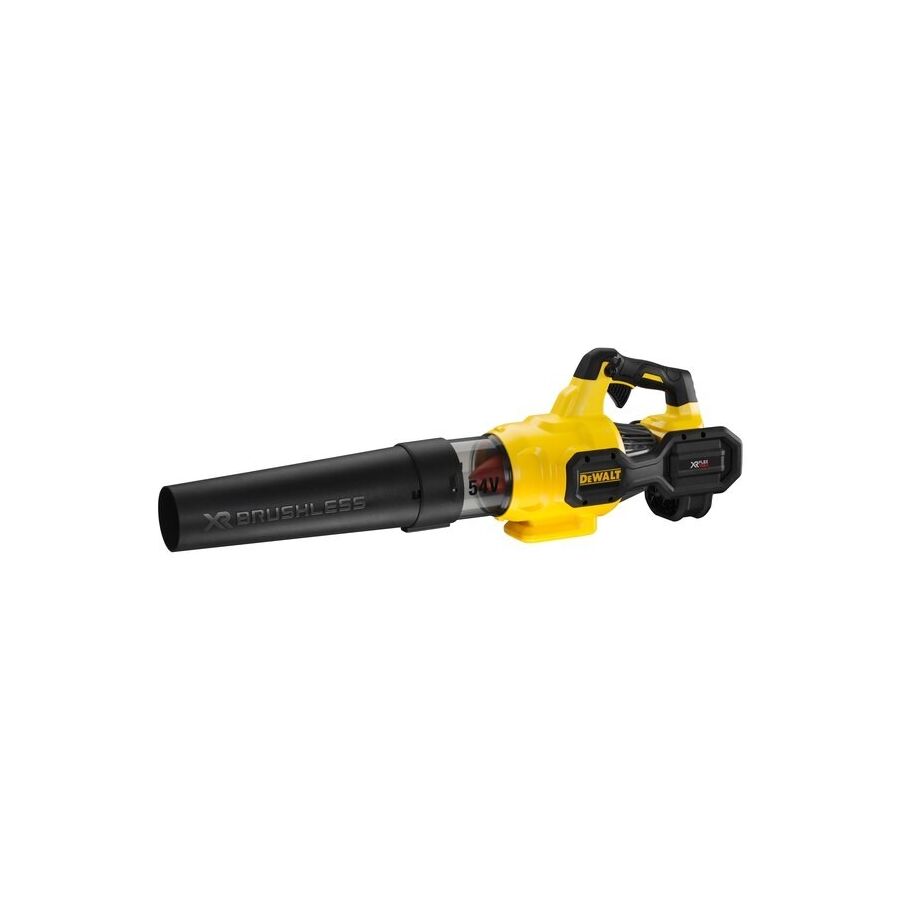
Across Australia’s data-driven economy, thermal management has become one of the most decisive factors in equipment reliability. From high-density colocation facilities in metropolitan Sydney to remote telecommunications cabinets exposed to extreme ambient temperatures, electronic systems are pushed closer to their thermal limits every year. Modern switches, routers, power supplies, and control modules generate significant heat in compact form factors. When this heat is not removed efficiently, components throttle performance, age prematurely, or fail outright.
Passive ventilation relies on natural convection and is rarely sufficient in modern installations. The professional engineering response is the axial blower kit. This is not a simple fan, but a complete airflow management assembly designed to move large volumes of air through racks and enclosures in a controlled, reliable, and safe manner. A properly specified axial blower kit extracts hot air, introduces cooler ambient air, and stabilises internal temperatures to protect mission-critical equipment.
The defining characteristic of an axial blower is the direction of airflow. Unlike centrifugal blowers, which generate high static pressure for ducted systems, axial blowers move air parallel to the motor shaft. This design is ideal for low-impedance environments such as server racks, communications cabinets, and electrical enclosures with perforated panels.
The primary performance metric is volumetric airflow, measured in cubic feet per minute or litres per second. In rack cooling applications, the objective is to move enough air to break up the hot air boundary layer that forms around heat sinks and power components. High-quality axial blower kits commonly deliver between 80 and 200 CFM depending on size and motor speed. This airflow flushes accumulated heat away from sensitive electronics and dramatically improves convective heat transfer.
Correct airflow direction is also critical. Axial blower kits are typically installed to support front-to-back or bottom-to-top airflow patterns that align with the cooling design of network and server hardware. Misaligned airflow can create recirculation zones that trap heat rather than removing it.
The service life of an axial blower kit is determined largely by its bearing system. In light-duty applications, sleeve bearings are sometimes used due to lower cost. However, in Australian commercial and industrial environments, sleeve bearings represent a reliability risk. High ambient temperatures accelerate lubricant evaporation, leading to increased friction, noise, and eventual seizure.
Professional axial blower kits use dual ball bearing motors. Ball bearings reduce friction through rolling contact and maintain consistent lubrication over time. They allow the fan to operate reliably in any orientation, whether mounted vertically in a rack door or horizontally on a cabinet roof. Dual ball bearing fans typically offer an L10 life expectancy exceeding 50,000 hours at elevated temperatures, making them suitable for continuous operation in mission-critical installations.
This level of durability is essential where a single fan failure could lead to cascading equipment shutdowns or costly downtime.
While airflow performance is essential, noise management is a practical consideration in many environments. Server rooms within offices, broadcast facilities, and AV racks often require cooling solutions that do not introduce excessive acoustic disturbance.
Fan noise is influenced by rotational speed, blade geometry, and turbulence. High-quality axial blower kits are engineered with optimised blade profiles that reduce vortex noise while maintaining airflow. Rubber isolation mounts or silicone gaskets are commonly included to decouple the fan frame from the enclosure, preventing vibration from being transmitted into steel panels that can act as sound amplifiers.
Another important safety feature is impedance-protected motor design. If the fan blades are obstructed, the motor is protected from overheating rather than burning out. This reduces fire risk and extends operational safety, particularly in unattended installations.
Running cooling fans continuously is inefficient and increases dust ingress. Intelligent thermal management requires control based on actual temperature conditions inside the enclosure.
This is where integration with the Schnap Electric Products ecosystem becomes valuable. Axial blower kits are often connected through DIN-rail mounted thermostats that activate the fan only when the internal temperature exceeds a predefined threshold. When the temperature drops, the fan switches off automatically. This approach reduces energy consumption, limits unnecessary airflow, and extends fan lifespan.
Power delivery within racks is equally important. Secure, surge-protected rack-mounted power distribution units provide stable supply to blower kits while maintaining compliance and neat cable management. In industrial cabinets, finger guards and protective grilles ensure that cables and personnel cannot come into contact with rotating blades.
Airflow brings contaminants with it. In industrial or roadside environments, airborne dust can be conductive or abrasive, posing a serious threat to electronic assemblies. An effective axial blower kit therefore includes filtration.
Filter assemblies typically use synthetic G3 or G4 filter media to trap particulates before air enters the enclosure. The filter housing must be designed for easy access, allowing maintenance staff to clean or replace filters without dismantling the installation. Tool-free snap-in filter frames are preferred for this reason.
It is important to understand that filters increase airflow resistance. The selected fan must have sufficient pressure capability to maintain airflow through the filter media. Reviewing the fan’s pressure versus flow curve ensures that performance does not collapse once filtration is added.
The effectiveness of an axial blower kit depends on correct installation. Poor mounting can create air leaks, vibration, or recirculation paths that reduce cooling efficiency. Kits designed for 19-inch racks or standard enclosure cut-outs simplify installation and ensure predictable airflow paths.
Cable routing must also be considered. Loose power leads can obstruct airflow and introduce turbulence. Proper cable management using straps and guides keeps airflow channels clear and maintains a professional finish that supports long-term reliability.
Not all fans marketed as blower kits are suitable for commercial infrastructure. Consumer-grade PC fans often lack flame-retardant housings, voltage tolerance, and certification required for Australian installations. Using non-compliant equipment can void insurance and introduce safety risks.
Facility managers and data centre operators source axial blower kits through specialised electrical wholesalers who verify Regulatory Compliance Mark requirements and industrial-grade construction. These suppliers provide components built with UL-rated plastics, robust motors, and appropriate mounting hardware. Access to compatible accessories and technical guidance ensures that the cooling solution integrates seamlessly with the broader infrastructure.
The axial blower kit is a critical component in modern thermal management strategy. It is a carefully engineered system that balances airflow physics, bearing durability, acoustic control, and filtration to protect high-value electronic equipment. By selecting dual ball bearing motors, implementing thermostatic control, and supporting installations with quality infrastructure components from suppliers such as Schnap Electric Products, Australian professionals can significantly extend equipment lifespan and maintain operational stability. In environments where heat is the silent adversary, effective airflow is the decisive defence.

SCHNAP is Australia's premier electrical wholesaler and electrical supplies, marketing thousands of quality products from leading brands. Trusted for nearly two decades by licensed electricians, contractors, and engineers, our range covers everything from basic electrical components to complex industrial electrical equipment
Our key categories include: LED lighting, designer switches, commercial switchboards, circuit protection, security systems & CCTV, and smart home automation
All products are certified to Australian standards (AS/NZS), backed by our 30-day, no-questions-asked return policy. Our expert technical team helps you quickly source the right solution for any residential, commercial, or industrial project, with daily dispatch from our Sydney electrical warehouse delivering Australia-wide
SCHNAP offers the most comprehensive electrical product range, with full technical specifications, application details, installation requirements, compliance standards, and warranties — giving professionals total confidence in every purchase


Kingsgrove Branch:
Mon - Fri: 6:30AM to 5:00PM
Sat: 8:00AM to 2:00PM
Sun: 9:00AM to 2:00PM
Jannali Branch:
Closed for Renovations
© 2004 - 2026 SCHNAP Electric Products