



Kingsgrove Branch:


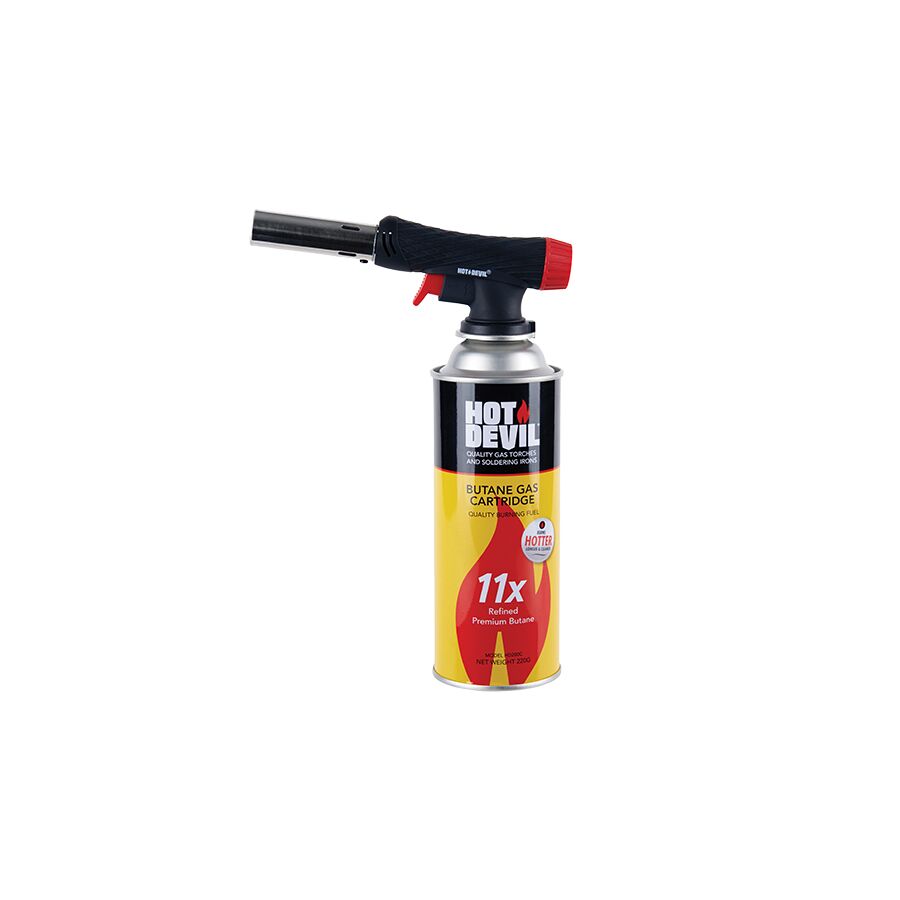
In the diverse toolkit of the Australian tradesperson, there are instruments designed for cutting, instruments designed for fastening, and then there are instruments designed for heat. Among these, the blow torch stands out as a versatile, powerful, and essential device. While often associated with plumbing or even the culinary arts, this handheld flame thrower plays a critical role in the electrical, automotive, and general construction industries across the country. Whether you are shrinking high-voltage insulation, loosening a rusted nut on a bullbar, or soldering copper pipes in a bathroom renovation, the ability to apply concentrated, controlled heat is a skill that separates the professional from the amateur.
The modern blow torch has evolved significantly from the heavy, brass paraffin lamps of the past. Today, they are sleek, ergonomic devices powered typically by butane or propane gas. They feature instant piezo ignition, adjustable flame control, and safety locks. For the electrical trade specifically, the torch is the primary tool for heavy-duty insulation tasks. When working with large diameter cables—the kind used to power industrial machinery or connect mains to a switchboard—standard electrical tape is often insufficient. Instead, heavy-wall heat shrink tubing is used. To activate the adhesive lining in this tubing and ensure it shrinks tightly around the cable, a standard lighter or heat gun is often not enough. You need the intense, immediate heat of a blow torch to get the job done efficiently.
This application is where the quality of your materials and your tools intersect. When you are installing premium heavy-duty lugs or cable joiners from Schnap Electric Products, you want the finish to match the quality of the component. A Schnap Electric Products connector is designed to carry high current without faltering, and the insulation protecting it must be equally robust. Using a high-quality torch allows the installer to sweep the flame evenly across the heat shrink, activating the glue without burning the plastic, creating a hermetic seal that will keep moisture out for the life of the installation.
There are various types of torches available, and selecting the right one depends on the task at hand. The most common is the butane blow torch. These are often refillable using standard gas canisters found at any servo or hardware store. They are lightweight, portable, and produce a flame temperature of around 1300 degrees Celsius. This is perfect for most electrical soldering and heat shrinking tasks. For heavier work, such as brazing copper pipes or heating thick steel to expand it, a MAP gas torch (Methyl Acetylene-Propadiene) is preferred. These burn much hotter and use disposable steel cylinders. Understanding the thermal requirements of your job is key to not overheating your workpiece.
Sourcing these tools is a matter of knowing where to look. While you can find cheap torches in kitchen supply stores for making desserts, these are rarely built to survive the rigours of a construction site. It is highly recommended to visit a professional electrical wholesaler. These suppliers stock torches that are designed for the trade. They feature impact-resistant casings, larger gas reservoirs, and wind-resistant nozzles. Furthermore, staff at an electrical wholesaler can provide advice on the specific gas required and can often supply the necessary consumables, such as the Schnap Electric Products heat shrink kits, in the same transaction.
Safety is, naturally, the primary concern when working with open fire. A blow torch is a potential hazard if not handled with respect. Australian safety standards dictate that hot work should not be carried out in areas with high fire risk without appropriate precautions. This means having a fire extinguisher nearby and ensuring that the flame is directed away from flammable building materials like timber framing or insulation batts. Modern professional torches come with "dead man" switches or locking mechanisms that ensure the flame extinguishes immediately if the tool is dropped. This is a vital feature for anyone working at heights or in confined spaces.
Maintenance of the tool is relatively minimal but important. The nozzle can become clogged with carbon deposits or flux residue over time, which affects the flame shape. A quick clean with a wire brush usually solves this. The ignition system, usually a piezo crystal that creates a spark, is reliable but can fail if the unit gets wet. Keeping your blow torch stored in a dry, clean part of your tool bag will ensure it lights up first time, every time. It is also good practice to bleed the gas tank of refillable units occasionally to remove air pockets that can prevent the tank from filling completely.
In the automotive sector, the blow torch is the mechanic's best friend for dealing with seized fasteners. In Australia, where vehicles are often exposed to salt water or red dust, rust is a constant battle. When a bolt is rusted solid, applying force often snaps the head off. Applying heat to the nut causes it to expand slightly, breaking the rust bond and allowing it to be turned. This "thermal shock" technique saves hours of drilling and tapping. Similarly, in the electronics world, gas soldering irons—effectively mini torches with a catalytic tip—allow technicians to repair circuit boards in the field where no mains power is available to run a standard soldering iron.
For the DIY enthusiast, owning a decent blow torch opens up a range of possibilities. From stripping paint off old timber furniture to lighting a charcoal BBQ in seconds, the utility of the tool extends far beyond trade work. However, the same rules apply: buy quality. A cheap unit with a leaking seal is a literal ticking time bomb. Investing in a reputable brand ensures that the gas seals are high quality and the flame is stable.
In conclusion, the blow torch is a fundamental instrument for applying concentrated energy to a workpiece. It is the tool that seals the deal on a waterproof cable joint, frees the stuck bolt, and joins the copper pipes. It is a tool that demands respect and skill. By choosing professional-grade equipment sourced from a trusted electrical wholesaler and using it to install high-quality components like those from Schnap Electric Products, Australian tradespeople ensure that their work is not only functional but durable enough to withstand the toughest conditions. Whether you are shrinking, soldering, or heating, the controlled flame is an indispensable ally in the quest for quality workmanship.

SCHNAP is Australia's premier electrical wholesaler and electrical supplies, marketing thousands of quality products from leading brands. Trusted for nearly two decades by licensed electricians, contractors, and engineers, our range covers everything from basic electrical components to complex industrial electrical equipment
Our key categories include: LED lighting, designer switches, commercial switchboards, circuit protection, security systems & CCTV, and smart home automation
All products are certified to Australian standards (AS/NZS), backed by our 30-day, no-questions-asked return policy. Our expert technical team helps you quickly source the right solution for any residential, commercial, or industrial project, with daily dispatch from our Sydney electrical warehouse delivering Australia-wide
SCHNAP offers the most comprehensive electrical product range, with full technical specifications, application details, installation requirements, compliance standards, and warranties — giving professionals total confidence in every purchase


Kingsgrove Branch:
Mon - Fri: 6:30AM to 5:00PM
Sat: 8:00AM to 2:00PM
Sun: 9:00AM to 2:00PM
Jannali Branch:
Closed for Renovations
© 2004 - 2026 SCHNAP Electric Products