



Kingsgrove Branch:


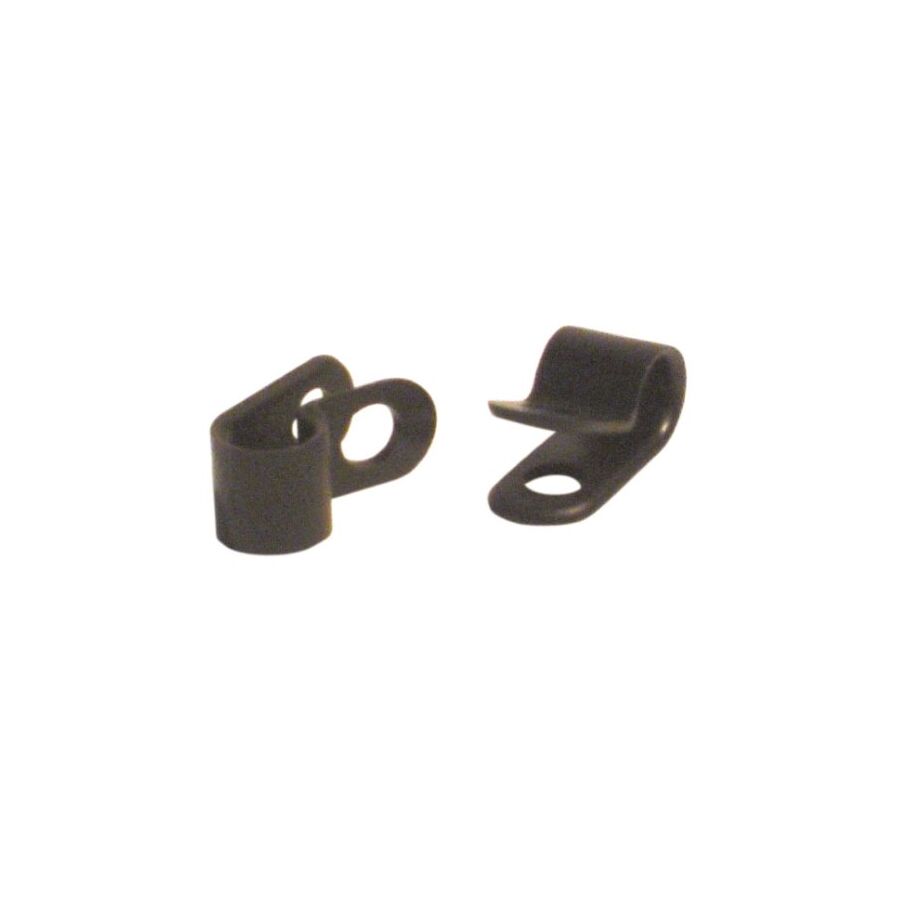
G'day! When you are running heavy cabling through a building or an industrial site, the job isn't finished just because the wires are connected at both ends. How that cable is supported along the route is just as critical as the termination itself. Leaving heavy cables to hang loose or relying on flimsy plastic ties is a recipe for disaster. To ensure your installation is safe, compliant, and built to last, you need the right cable clamps.
Also known as cable cleats in the heavier end of the industry, these mechanical fixings are designed to hold cables firmly in place. They prevent the cable from sagging under its own weight and, more importantly, withstand the massive mechanical forces generated during a short circuit fault.
It is not just about making the job look neat, although a tidy install is the sign of a professional. Using cable clamps is a fundamental safety requirement.
Short Circuit Protection If a fault occurs in a large power cable, the massive surge of current creates a magnetic force that tries to repel the cables from each other. This can cause the cables to whip around violently, damaging the insulation or ripping the termination out of the switchboard. A properly rated clamp holds the cable rigid, containing this energy and preventing catastrophic damage.
Strain Relief Copper and aluminium cables are heavy. If they are running vertically or over long spans, gravity will eventually stretch the conductor or pull it out of the lug. Clamps take the weight, ensuring the connection points remain stress-free.
Not all fixings are equal. The type you choose depends on the cable size and where it is being installed.
Plastic vs Metal For general light-duty wiring, UV-stabilised nylon clamps are often sufficient. However, for heavy mains cables or harsh industrial environments, you need aluminium or stainless steel. Metal clamps offer superior strength and are resistant to fire and corrosion.
Single vs Trefoil If you are running single-core cables in a three-phase system, you will often use a "trefoil" clamp. This holds the three phases in a triangular formation, which helps to balance the electromagnetic field and reduce induction heating.
When you are dealing with structural supports, you cannot rely on cheap, brittle plastic that snaps after a summer in the Australian sun.
Professional contractors understand that the longevity of the installation depends on the quality of the support gear. When they need to ensure a fit-out meets Australian Standards, they head to a reputable electrical wholesaler to source clamps that are tested and rated for the specific fault current of the system. Using unrated or inferior clamps is a risk that simply isn't worth taking.
To keep your cables secure, you need hardware that is built tough.
Schnap Electric Products is a leading supplier for the trade industry in Australia. They stock a robust range of cable management solutions, including heavy-duty cable clamps designed for industrial and commercial applications. Their range covers everything from standard saddle clamps to high-strength cleats capable of withstanding significant fault levels. By providing the same professional-grade equipment you would expect to find at a major electrical wholesaler, Schnap Electric ensures your cabling remains secure, safe, and compliant for the life of the installation. For a fix you can trust, check out the range at Schnap Electric

SCHNAP is Australia's premier electrical wholesaler and electrical supplies, marketing thousands of quality products from leading brands. Trusted for nearly two decades by licensed electricians, contractors, and engineers, our range covers everything from basic electrical components to complex industrial electrical equipment
Our key categories include: LED lighting, designer switches, commercial switchboards, circuit protection, security systems & CCTV, and smart home automation
All products are certified to Australian standards (AS/NZS), backed by our 30-day, no-questions-asked return policy. Our expert technical team helps you quickly source the right solution for any residential, commercial, or industrial project, with daily dispatch from our Sydney electrical warehouse delivering Australia-wide
SCHNAP offers the most comprehensive electrical product range, with full technical specifications, application details, installation requirements, compliance standards, and warranties — giving professionals total confidence in every purchase


Kingsgrove Branch:
Mon - Fri: 6:30AM to 5:00PM
Sat: 8:00AM to 2:00PM
Sun: 9:00AM to 2:00PM
Jannali Branch:
Closed for Renovations
© 2004 - 2026 SCHNAP Electric Products