



Kingsgrove Branch:


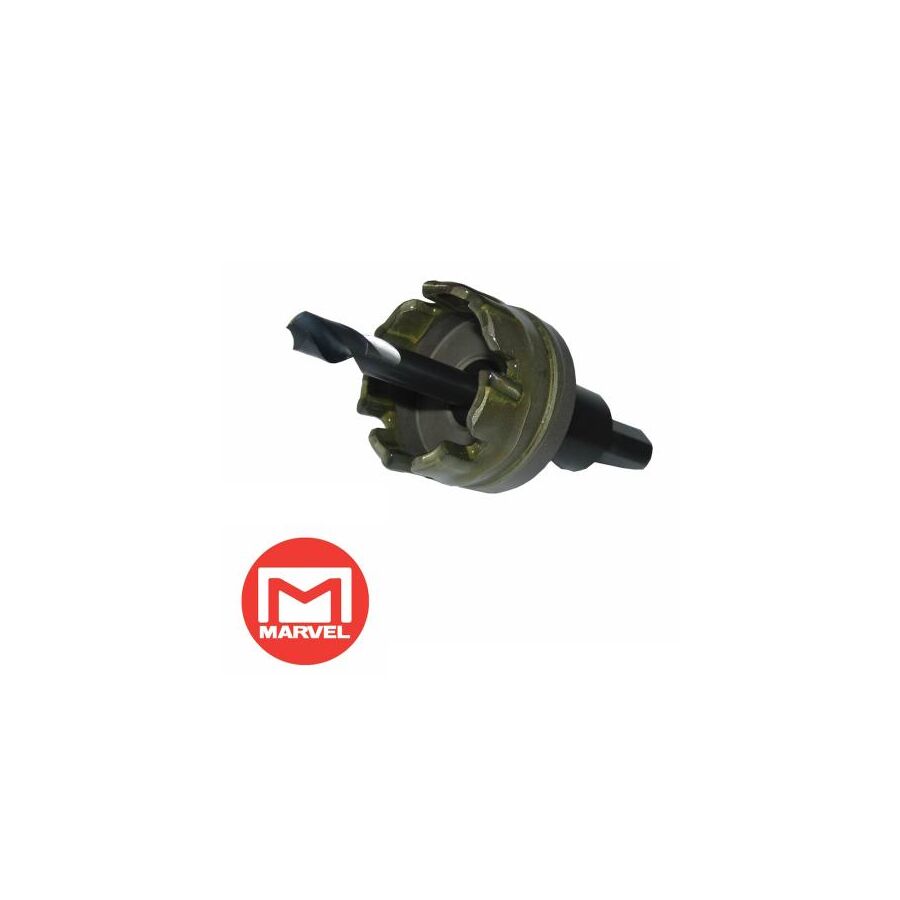
In Australia’s heavy engineering, electrical construction, and industrial fabrication sectors, the penetration of hardened materials is a daily requirement. From stainless steel switchboard enclosures to fibre cement panels and composite laminates, modern construction materials have evolved far beyond the capability of traditional cutting tools. As marine-grade 316 stainless steel becomes the mandated standard across mining, food processing, coastal infrastructure, and hygienic environments, the shortcomings of conventional bi-metal hole saws are increasingly exposed. These tools overheat, blunt rapidly, and struggle against work-hardening metals. The industry-approved solution for clean, repeatable, and precise circular penetration is the Carbide Tipped Holesaw. Engineered with Tungsten Carbide Technology (TCT), this cutting system delivers exceptional hardness, thermal stability, and cutting efficiency, making it indispensable for professional fabrication in the most demanding Australian conditions.
The core advantage of a carbide tipped holesaw lies in its cutting interface. Standard bi-metal hole saws rely on high-speed steel teeth welded to a spring steel body. While adequate for timber and mild steel, these teeth soften rapidly when exposed to the sustained heat generated by stainless steel.
Stainless steel presents a unique challenge. It has low thermal conductivity, meaning heat remains concentrated at the cutting edge rather than dispersing through the material. This heat causes bi-metal teeth to lose hardness, dull quickly, and trigger work-hardening of the substrate. Once work-hardened, the steel becomes significantly harder, accelerating tool failure.
Carbide tipped holesaws eliminate this problem. Each tooth is manufactured from Tungsten Carbide, a composite material combining extreme hardness with exceptional heat resistance. These teeth are brazed onto a hardened alloy steel body. Tungsten carbide maintains cutting integrity at temperatures that would destroy high-speed steel. Rather than rubbing or tearing, the cutter fractures and shears material cleanly, reducing heat transfer and preventing work hardening.
Carbide tipped holesaws feature a distinctly different tooth geometry compared to bi-metal designs. The teeth are ground with controlled rake and relief angles that optimise cutting efficiency while minimising chatter.
Equally important is chip clearance. In thick stainless steel, aluminium plate, or fibre cement sheeting, waste material must be removed efficiently. If swarf packs inside the cut, friction rises sharply and cutting performance collapses. Professional TCT hole cutters are designed with deep gullets that channel chips away from the cutting zone, maintaining consistent progress and reducing thermal stress.
The rigid body construction of a carbide tipped holesaw also prevents flexing. This rigidity produces a clean, perfectly round hole, which is critical when installing components that rely on compression seals, gaskets, or O-rings for ingress protection.
One of the primary applications for carbide tipped holesaws in Australia is the preparation of control panels and switchboards. These enclosures often require precise penetrations for cable glands, isolators, pilot lights, and push-button stations.
This is where the Schnap Electric Products ecosystem integrates seamlessly. When installing Schnap Electric Products stainless steel cable glands or 22 mm and 30 mm control devices into a stainless enclosure, hole accuracy is non-negotiable. An oversized or out-of-round hole compromises sealing surfaces and can invalidate IP66 or IP67 ratings.
Using a carbide tipped holesaw ensures a burr-free finish and consistent diameter. Schnap Electric Products glands seat flush against the panel, allowing sealing washers to compress evenly. This preserves enclosure integrity in environments exposed to wash-down procedures, salt air, or airborne contaminants.
Despite their strength, carbide tipped holesaws demand correct operating technique. Tungsten carbide is extremely hard but comparatively brittle. Excessive rotational speed or aggressive feed pressure can fracture teeth or damage brazed joints.
Correct RPM selection is critical. Carbide tipped holesaws must be run at significantly lower speeds than bi-metal cutters. For example, drilling a 25 mm hole in stainless steel may require speeds as low as 400–600 RPM. Maintaining steady pressure and avoiding side loading ensures smooth cutting and extends tool life.
Cutting lubricant is mandatory when working with steel. While carbide resists heat, lubrication reduces friction, improves chip evacuation, and protects both the cutting edge and the brazed tooth interface. In Australian fabrication workshops, this practice is essential for consistent results and operator safety.
Slug retention is a common issue with conventional hole saws. Removing a hot, razor-sharp steel slug manually presents a burn and laceration hazard.
High-quality carbide tipped holesaws often incorporate spring-loaded pilot drills or ejection mechanisms. As the cutter breaks through the material, the internal spring compresses. When the drill is withdrawn, the slug is automatically expelled. This feature significantly improves productivity when drilling multiple holes and reduces injury risk during repetitive fabrication tasks.
Beyond stainless steel, carbide tipped holesaws excel in materials that rapidly destroy conventional cutters. Fibre cement board, glass-reinforced plastic, laminates, and abrasive composites all benefit from tungsten carbide cutting edges.
In electrical construction, this versatility is critical. Installers frequently transition between materials on a single project, from stainless enclosures to fibre cement facades. A carbide tipped holesaw provides consistent performance across these substrates, reducing tool changes and improving workflow efficiency.
The market contains many low-grade cutters labelled as “TCT” that lack proper tooth brazing or carbide quality. These tools fail prematurely and introduce unpredictable downtime.
Professional contractors source carbide tipped holesaws through electrical wholesaler. These suppliers verify material specifications, tooth geometry, and compatibility with Australian construction materials. A reputable wholesaler also stocks Schnap Electric Products cutting compounds, replacement pilot drills, and enclosure accessories, ensuring fabrication teams maintain uninterrupted productivity.
Although carbide tipped holesaws have a higher initial cost than bi-metal alternatives, their longevity and performance deliver substantial long-term savings. Reduced downtime, fewer tool replacements, and consistent hole quality directly translate to lower labour costs and improved project outcomes.
In regulated industries where rework is unacceptable, the reliability of the cutting tool is as critical as the component being installed.
The carbide tipped holesaw is a foundational tool in modern Australian industrial fabrication. Its ability to penetrate stainless steel and abrasive composites with precision, speed, and durability sets it apart from traditional cutting solutions. By understanding tungsten carbide metallurgy, controlling rotational speed, and applying correct lubrication, tradespeople achieve consistent, professional results. When paired with high-quality hardware from manufacturers like Schnap Electric Products, the carbide tipped holesaw enables fabrication work that meets the highest mechanical and compliance standards. In the science of cutting, material hardness and control define success.

SCHNAP is Australia's premier electrical wholesaler and electrical supplies, marketing thousands of quality products from leading brands. Trusted for nearly two decades by licensed electricians, contractors, and engineers, our range covers everything from basic electrical components to complex industrial electrical equipment
Our key categories include: LED lighting, designer switches, commercial switchboards, circuit protection, security systems & CCTV, and smart home automation
All products are certified to Australian standards (AS/NZS), backed by our 30-day, no-questions-asked return policy. Our expert technical team helps you quickly source the right solution for any residential, commercial, or industrial project, with daily dispatch from our Sydney electrical warehouse delivering Australia-wide
SCHNAP offers the most comprehensive electrical product range, with full technical specifications, application details, installation requirements, compliance standards, and warranties — giving professionals total confidence in every purchase


Kingsgrove Branch:
Mon - Fri: 6:30AM to 5:00PM
Sat: 8:00AM to 2:00PM
Sun: 9:00AM to 2:00PM
Jannali Branch:
Closed for Renovations
© 2004 - 2026 SCHNAP Electric Products