

Kingsgrove Branch:



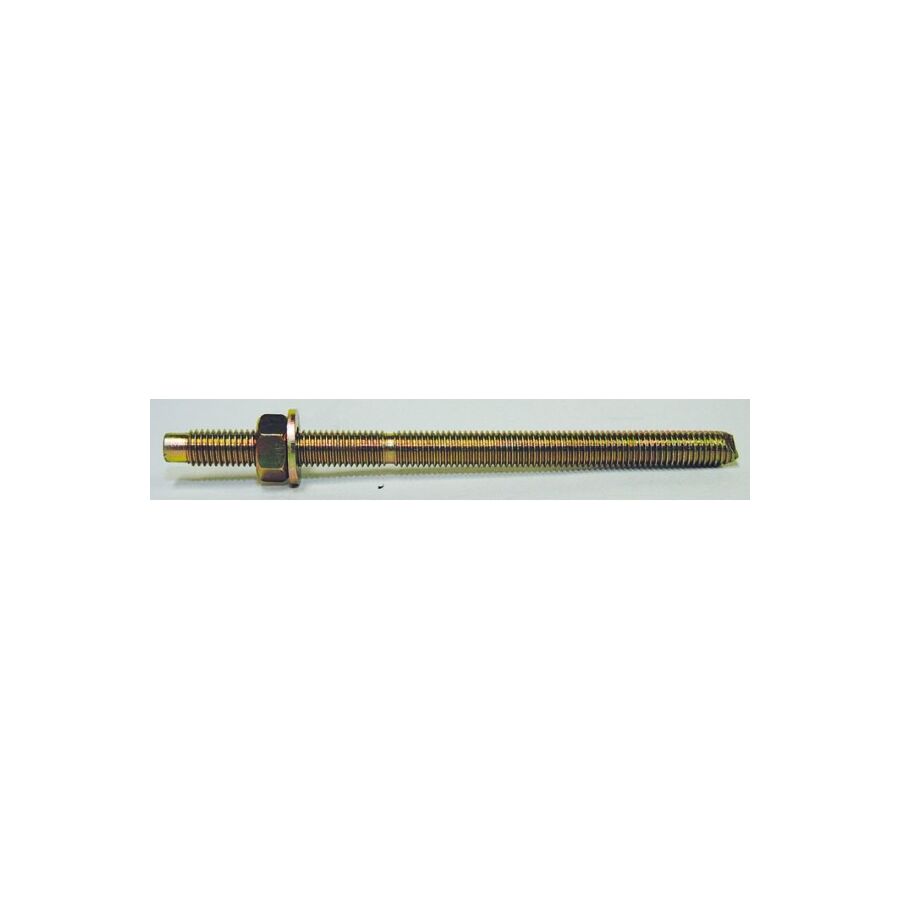
G'day! In the world of construction and renovation, there are times when a standard mechanical bolt simply isn't enough. Whether you are dealing with crumbly old brickwork in a heritage home, fixing close to the edge of a concrete slab, or securing heavy machinery that vibrates, you need a bonding solution that is stronger than the substrate itself. This is where chemset anchors come into their own.
Also known as chemical injection anchors, this technology creates a bond that is often stronger than the concrete or brick it is fixed into. Unlike a Dynabolt that relies on expanding mechanical force to grip the wall (which can crack the material if you are too close to the edge), chemical anchoring uses a high-strength resin to glue the stud in place. It is the ultimate problem solver for tricky structural connections.
The system consists of two main parts: a threaded stud (or rebar) and a two-part chemical adhesive. The adhesive is usually a mixture of resin and hardener that sits in a dual-chamber cartridge.
When you squeeze the trigger on the applicator gun, the two chemicals mix in the nozzle. You inject this goo into a pre-drilled hole and insert the steel stud. As the chemset anchors cure, the resin hardens and keys into every tiny imperfection and pore inside the masonry. This creates a stress-free anchorage, meaning it doesn't exert outward pressure on the hole, allowing you to fix heavy items right near the edge of a slab without blowing out the concrete.
If you talk to any structural engineer or builder, they will tell you that the number one cause of failure with chemset anchors is a dirty hole.
Because the system relies on chemical adhesion, dust is the enemy. If you drill a hole and simply squirt the resin in, the glue will bond to the dust, not the concrete. When you apply a load, the whole thing will slide out like a loose tooth. To get it right, you must follow the "blow-brush-blow" method:
Old Brickwork In older Aussie homes, the bricks can be soft or brittle. A mechanical anchor might crack the brick. Chemical injection fills the voids and reinforces the structure.
Hollow Materials By using a specialized mesh sleeve, you can use chemical anchors in hollow blocks or perforated bricks. The resin squeezes through the mesh to form a solid plug behind the brick face.
Heavy Industrial Gear If you are mounting motors, pumps, or heavy switchboards, chemical anchoring is ideal because the cured resin absorbs vibration, preventing the nut from rattling loose over time.
Because these anchors are often used for structural applications, quality is paramount. You need resin that cures predictably and has a high load rating.
When professional contractors are fitting out a plant room or installing heavy cable trays, they don't rely on hardware store glues. They visit a dedicated electrical wholesaler or industrial supplier to source certified chemical injection systems and high-tensile threaded rods. Using trade-grade products ensures that the curing times are accurate for the Australian temperature and that the final hold meets the engineer's specifications.
While the concept is simple, the application is time-sensitive. Once the resin is mixed, it starts to go off (harden) quickly, especially on a hot summer day.
For structural or critical electrical fixings, it is best to engage a licensed professional. They have the experience to work quickly and cleanly, ensuring the stud is perfectly vertical and the hole is properly prepared.
If you are securing heavy loads, you need a system that won't let you down. A failed anchor can lead to catastrophic damage to equipment and property.
Schnap Electric Products is a leading supplier for the trade industry in Australia. They stock a comprehensive range of heavy-duty fixing solutions, including high-performance chemset anchors and the associated threaded rods, mesh sleeves, and applicator guns. By providing the same professional-grade equipment you would expect to find at a major electrical wholesaler, Schnap Electric ensures your heavy installations are secure, stress-free, and built to last. For a bond that is stronger than concrete, trust the fixing range from Schnap Electric.

SCHNAP Electrical Wholesaler - clear, upfront pricing that professional electricians trust

Get what you need in seconds. SCHNAP electrical wholesaler makes ordering quick and simple

Fast delivery anywhere - that's guaranteed. SCHNAP electrical wholesalers ship nationwide with same-day dispatch

Track your order every step of the way. SCHNAP electrical wholesale keeps you updated from click to delivery

SCHNAP is Australia's premier electrical wholesaler and electrical supplies, marketing thousands of quality products from leading brands. Trusted for nearly two decades by licensed electricians, contractors, and engineers, our range covers everything from basic electrical components to complex industrial electrical equipment
Our key categories include: LED lighting, designer switches, commercial switchboards, circuit protection, security systems & CCTV, and smart home automation
All products are certified to Australian standards (AS/NZS), backed by our 30-day, no-questions-asked return policy. Our expert technical team helps you quickly source the right solution for any residential, commercial, or industrial project, with daily dispatch from our Sydney electrical warehouse delivering Australia-wide
SCHNAP offers the most comprehensive electrical product range, with full technical specifications, application details, installation requirements, compliance standards, and warranties — giving professionals total confidence in every purchase


Kingsgrove Branch:
Opening hours:
Mon - Fri: 6:30 AM to 5 PM
Saturday: 8:00 AM to 2:00 PM
Sunday: 9:00 AM to 2:00 PM
Closed on public holidays
Jannali Branch:
Closed for Renovations
© 2004 - 2026 SCHNAP Electric Products