



Kingsgrove Branch:


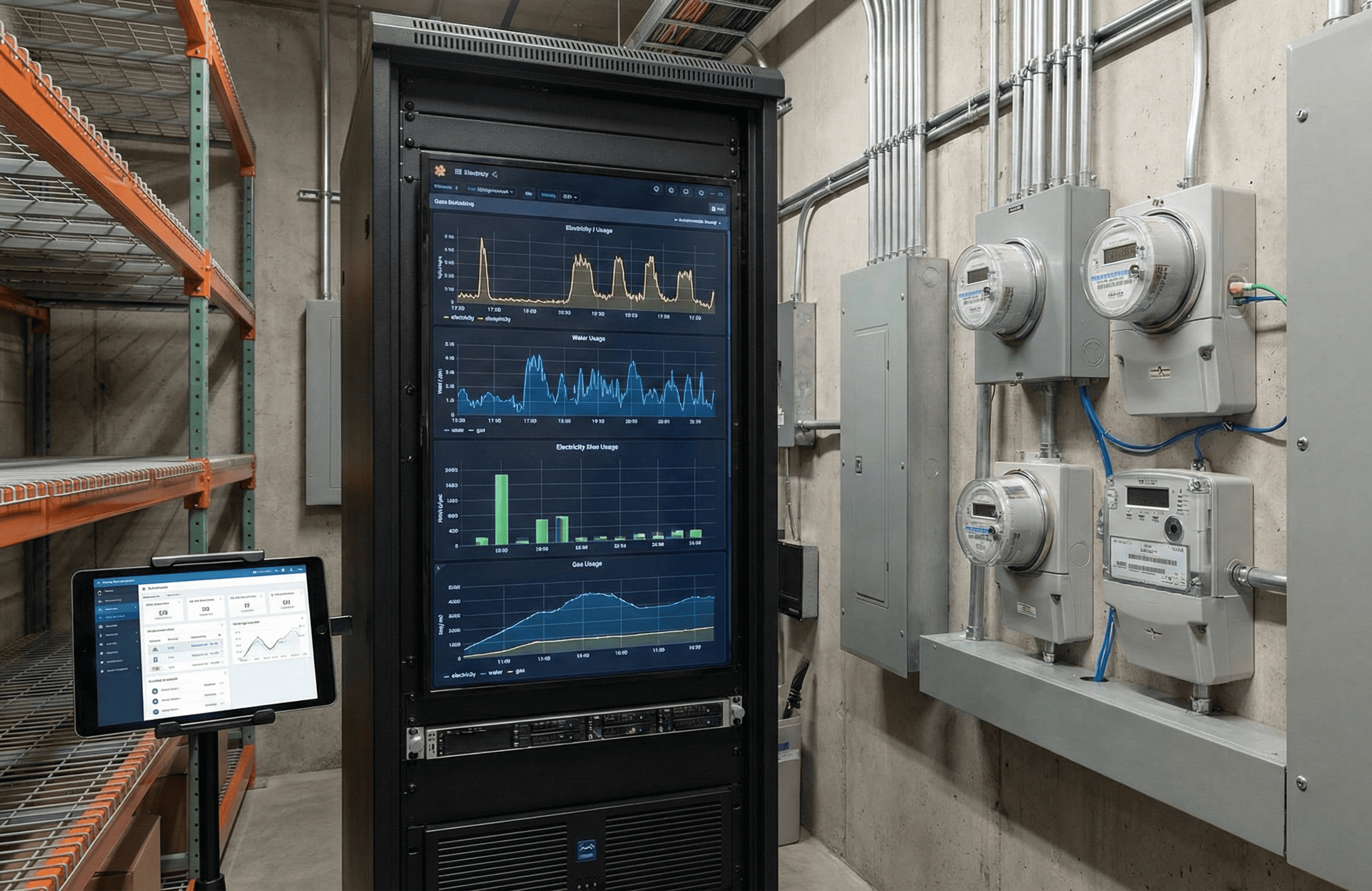
G'day! Managing a commercial property in Australia is a balancing act. Whether you are overseeing a high-rise office tower in Melbourne, a retail centre in Brisbane, or a logistics hub in Perth, the rising cost of utilities is a constant hit to the pocket. For decades, energy was treated as a fixed cost—you simply paid the bill when it arrived. However, in the modern market, this passive approach is no longer viable. Implementing a robust commercial building energy monitoring strategy is essential for any facility manager looking to cut waste, improve sustainability, and boost the bottom line.
This technology moves beyond the simple utility meter at the front gate. It involves a network of smart sensors and meters that provide real-time visibility into how, when, and where energy is being used across the entire site. It turns raw data into actionable intelligence.
The main advantage of commercial building energy monitoring is the ability to drill down into the details. A standard bill tells you that you used a lot of power; a monitoring system tells you that the HVAC chiller on level four is running efficiently, but the lighting in the car park was left on all weekend.
Sub-Metering for Accuracy For multi-tenanted buildings, sub-metering is a game-changer. Instead of splitting the electricity bill based on floor space—which often leads to disputes—you can bill tenants for exactly what they consume. This "user-pays" system encourages tenants to be more energy-efficient and ensures the landlord recovers costs accurately.
Identifying Inefficiencies Continuous monitoring creates a baseline for your building's performance. If energy usage suddenly spikes without a change in occupancy or weather, the system alerts you. This allows maintenance teams to identify faults, such as a stuck valve or a failing motor, before they become catastrophic expensive repairs.
In the Australian commercial sector, sustainability is currency. High-quality tenants, particularly government bodies and large corporations, often mandate a minimum NABERS (National Australian Built Environment Rating System) energy rating for their leases.
A comprehensive monitoring system provides the data required to validate these ratings. By identifying waste and proving the effectiveness of efficiency upgrades (like LED retrofits), you can improve your star rating, increase the asset value, and attract premium tenants who are willing to pay for a greener building.
A monitoring system is only as good as the hardware behind it. You need equipment that can withstand the harsh environment of a commercial switchboard and deliver precise data year after year.
When a professional contractor designs a system, they don't use off-the-shelf consumer gadgets. They visit a specialist electrical wholesaler to source industrial-grade current transformers (CTs), communications gateways, and NMI-approved meters. These components ensure that the data collected is accurate enough for billing purposes and can integrate seamlessly with existing Building Management Systems (BMS) via protocols like Modbus.
Retrofitting a commercial building with monitoring equipment is a significant undertaking. It involves working with high-current distribution boards and often 415V three-phase power.
This is strictly the domain of licensed professionals. You must engage a licensed electrician with experience in commercial automation. They will ensure that the installation causes minimal disruption to tenants, that all sensors are installed safely around live busbars, and that the entire setup complies with AS/NZS 3000 Wiring Rules.
To make informed decisions about your facility, you need data you can trust.
Schnap Electric Products is a leading supplier for the trade industry in Australia. They stock a comprehensive range of industrial metering and monitoring solutions suitable for commercial building energy monitoring projects. Their inventory includes high-precision digital kilowatt-hour meters, split-core current transformers for easy retrofitting, and heavy-duty communication cabling. By providing the same professional-grade equipment you would expect to find at a major electrical wholesaler, Schnap Electric ensures your facility management team has the tools to drive efficiency and reduce operational costs. For a smarter way to manage your building, trust the range from Schnap Electric.

SCHNAP is Australia's premier electrical wholesaler and electrical supplies, marketing thousands of quality products from leading brands. Trusted for nearly two decades by licensed electricians, contractors, and engineers, our range covers everything from basic electrical components to complex industrial electrical equipment
Our key categories include: LED lighting, designer switches, commercial switchboards, circuit protection, security systems & CCTV, and smart home automation
All products are certified to Australian standards (AS/NZS), backed by our 30-day, no-questions-asked return policy. Our expert technical team helps you quickly source the right solution for any residential, commercial, or industrial project, with daily dispatch from our Sydney electrical warehouse delivering Australia-wide
SCHNAP offers the most comprehensive electrical product range, with full technical specifications, application details, installation requirements, compliance standards, and warranties — giving professionals total confidence in every purchase


Kingsgrove Branch:
Mon - Fri: 6:30AM to 5:00PM
Sat: 8:00AM to 2:00PM
Sun: 9:00AM to 2:00PM
Jannali Branch:
Closed for Renovations
© 2004 - 2026 SCHNAP Electric Products