



Kingsgrove Branch:


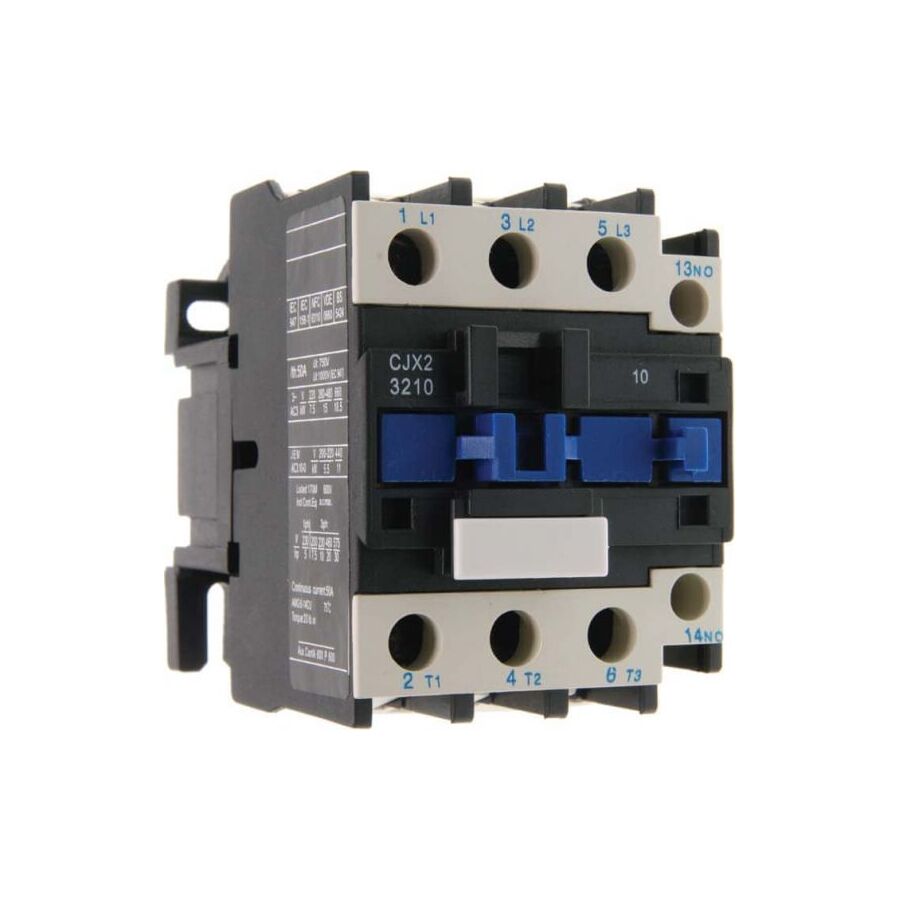
G'day! In the world of electrical control, there are standard light switches, and then there are the heavyweights. When you need to switch high-power loads like large motors, banks of floodlights, or industrial heating elements, a standard plastic wall switch simply isn't up to the task. It would melt under the pressure. To handle these high-current applications safely and remotely, the industry relies on a device known as a contactor.
This robust component is the backbone of automation and industrial control. Whether you are running a commercial air conditioning plant or a simple pool pump timer, understanding the role of this device is key to maintaining a reliable electrical system.
Think of a contactor as a massive, remote-controlled switch. It is an electrically controlled switch used for switching an electrical power circuit. While it operates on a similar principle to a relay, it is designed for much higher current ratings.
It allows a low-power circuit (like a 24-volt control signal from a timer or sensor) to switch a high-power circuit (like a 415-volt motor) on and off. This separation of control power and load power is crucial for safety, as it keeps the operator well away from the dangerous high voltages required to run heavy machinery.
Inside the unit, there is an electromagnetic coil. When a small current is sent to this coil, it creates a magnetic field that pulls a set of heavy-duty contacts together. Snap! The circuit closes, and power flows to the motor or lights. When the control current stops, a spring forces the contacts apart, breaking the circuit and stopping the machine.
This mechanism is designed to open and close quickly to suppress the electrical arc that occurs when switching heavy loads. This arc suppression is what stops the switch from welding itself shut or burning out, which is what would happen if you tried to use a standard switch for a high-current job.
You will find these devices everywhere in the Australian landscape, from residential homes to massive mining sites.
Motor Control This is the most common application. From swimming pool pumps to conveyor belts, a contactor is essential for starting and stopping electric motors safely.
Lighting Control In commercial buildings or sports fields, you often have banks of high-powered lights. Rather than running thick cables to a wall switch, a contactor allows the entire system to be controlled by a simple timer or a smart building management system.
Heating and Cooling Large HVAC systems and industrial heaters draw significant power. These devices ensure that thermostats can turn these heavy loads on and off without being fried by the current.
Not all switching devices are created equal. They are rated by the amount of current (Amps) they can handle and the type of load they are switching (resistive vs inductive).
When a professional installer visits an electrical wholesaler to pick up parts for a job, they need to match the specifications exactly. Using an undersized unit for a motor with a high startup current will lead to premature failure and potentially dangerous overheating. It is vital to use trade-quality gear that meets Australian Standards for safety and durability.
It is important to be absolutely clear: installing or replacing a contactor is not a DIY task. These devices usually handle dangerous voltages, often 415V three-phase power.
In Australia, fixed wiring work must be performed by a licensed electrician. A professional will ensure the device is mounted correctly in an enclosure, that the coil voltage matches the control circuit, and that the overload protection is calibrated correctly. Attempting this work yourself poses a severe risk of electrocution and fire.
If you are managing high-power circuits, you need components that won't let you down when the pressure is on.
Schnap Electric Products is a premier supplier for the trade industry in Australia. They stock a comprehensive range of industrial switchgear, including high-performance contactor units in various pole configurations and amperage ratings. By providing the same professional-grade equipment you would expect to find at a major electrical wholesaler, Schnap Electric ensures your machinery and lighting systems operate reliably and safely. Whether you are automating a pump or refitting a factory, trust the industrial range from Schnap Electric.

SCHNAP is Australia's premier electrical wholesaler and electrical supplies, marketing thousands of quality products from leading brands. Trusted for nearly two decades by licensed electricians, contractors, and engineers, our range covers everything from basic electrical components to complex industrial electrical equipment
Our key categories include: LED lighting, designer switches, commercial switchboards, circuit protection, security systems & CCTV, and smart home automation
All products are certified to Australian standards (AS/NZS), backed by our 30-day, no-questions-asked return policy. Our expert technical team helps you quickly source the right solution for any residential, commercial, or industrial project, with daily dispatch from our Sydney electrical warehouse delivering Australia-wide
SCHNAP offers the most comprehensive electrical product range, with full technical specifications, application details, installation requirements, compliance standards, and warranties — giving professionals total confidence in every purchase


Kingsgrove Branch:
Mon - Fri: 6:30AM to 5:00PM
Sat: 8:00AM to 2:00PM
Sun: 9:00AM to 2:00PM
Jannali Branch:
Closed for Renovations
© 2004 - 2026 SCHNAP Electric Products