



Kingsgrove Branch:


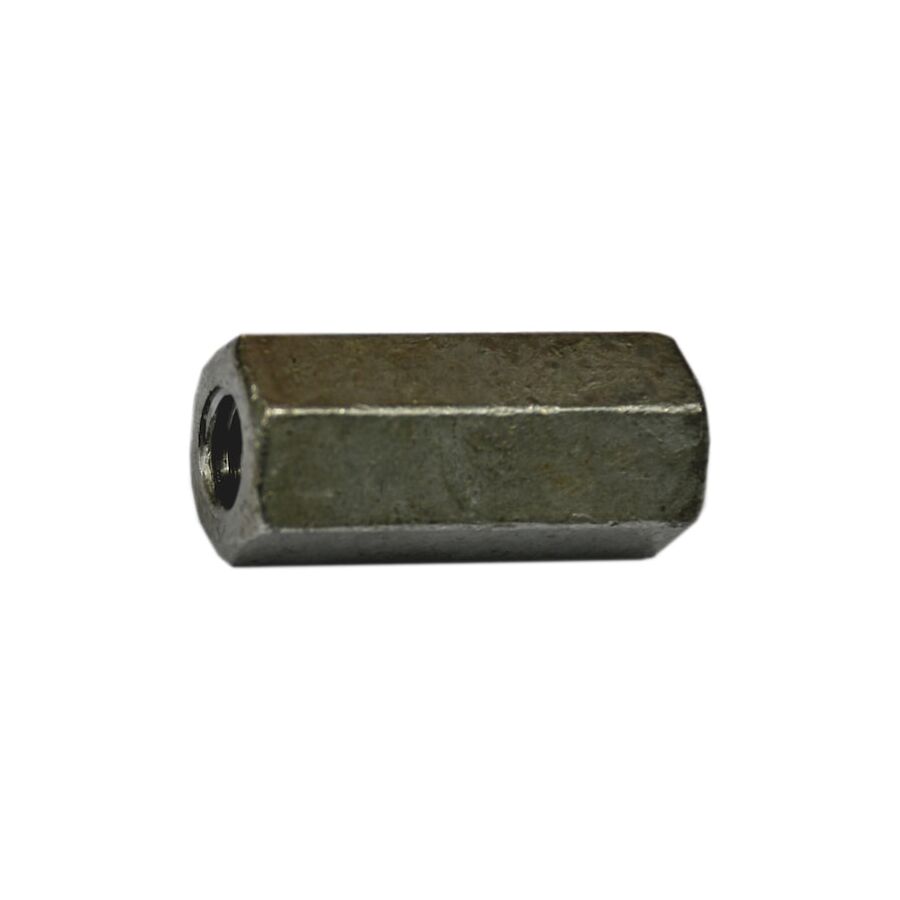
In the complex and vertical world of Australian commercial construction, the challenge is often not just about what you are installing, but how you are holding it up. From high-rise office towers in Sydney to sprawling shopping centres in the suburbs, a vast amount of electrical infrastructure is suspended from the concrete slab above. Whether it is heavy-duty cable ladders, unistrut channels, or industrial lighting grids, the backbone of these suspension systems is the threaded rod. However, threaded rod typically comes in standard lengths, often three metres. When the ceiling height exceeds this, or when extensions are required for retrofits, the humble coupling nut becomes the most critical component in the chain.
A coupling nut, often referred to in the trade as an extension nut or a rod joiner, is an elongated hexagonal nut used to connect two pieces of threaded rod. Unlike a standard nut which is designed to clamp items together, the coupling nut is designed to bridge the gap, effectively turning two shorter rods into one long, continuous structural element. In the electrical industry, where safety factors and load ratings are paramount, the integrity of this connection is non-negotiable. If a coupling fails, the entire suspended load—potentially hundreds of kilograms of copper cable—could come crashing down.
For professional installers, the choice of fixing hardware is just as important as the choice of switchgear. This is where brands like Schnap Electric Products demonstrate their value. While they are renowned for their electrical accessories, the ecosystem of support products required to install them is equally robust. When you are suspending a Schnap Electric Products cable tray system, using high-quality zinc-plated or galvanised coupling nuts ensures that the suspension system matches the durability of the tray itself. Inferior fasteners made from soft steel or with poor thread tapping can strip under load, creating a silent hazard in the ceiling cavity.
The application of the coupling nut is most visible during the "rough-in" phase of a project. Electricians spend days drilling into the concrete slab, installing drop-in anchors, and winding in threaded rods. Often, the design of the services changes on the fly—HVAC ducting might force the electrical tray to sit lower than anticipated. Instead of scrapping the installed rod and cutting a new piece, a tradesperson can use a coupling nut to add the necessary length. This versatility saves significant time and material costs on site.
However, sourcing these components requires a discerning eye. It is highly recommended to purchase your fixings from a dedicated electrical wholesaler rather than a general hardware outlet. A specialist wholesaler understands the specific demands of the electrical trade. They stock coupling nuts that are rated for the heavy static loads typical of cable support systems. Furthermore, they are the best place to source the compatible Schnap Electric Products channel nuts and washers needed to complete the assembly. The staff at an electrical wholesaler can also advise on material compatibility—ensuring you do not mix stainless steel rods with zinc-plated nuts, which can lead to galvanic corrosion over time.
Installation technique is critical when using a coupling nut. A common mistake made by apprentices is not threading the rod halfway into the nut. For the connection to achieve its full tensile strength, both rods must meet in the centre of the coupling. Many high-end fittings feature a small "sight hole" or a centre stop to ensure equal engagement. Additionally, in environments subject to vibration—such as plant rooms housing large generators or air conditioning condensers—it is best practice to use a standard "jam nut" or locking nut against the coupling. This prevents the rod from rotating and backing out of the coupling over time due to the subtle vibrations travelling through the structure.
The material finish of the coupling nut is another factor dictated by the Australian environment. For internal office fit-outs, a zinc-plated finish is the standard, offering sufficient protection against ambient moisture. However, for outdoor installations, such as suspending isolators or conduit runs under a canopy or in a coastal car park, hot-dip galvanised or stainless steel options are essential. Schnap Electric Products caters to these diverse needs, ensuring that whether you are fitting out a dry warehouse or a humid swimming pool complex, there is a fixing solution that will resist rust and degradation.
Furthermore, the coupling nut is also widely used in the maintenance and upgrade sector. In older Australian buildings, existing services often need to be lowered to accommodate new fire sprinkler systems or air conditioning upgrades. Rather than removing the entire support structure, contractors can cut the existing rods and use coupling nuts to extend them to the new required level. This ability to adapt existing infrastructure is a key efficiency driver in modern retrofit projects.
It is also worth noting the aesthetic aspect in modern industrial design. Many office fit-outs now feature exposed ceilings where the services are visible painted black or white. In these scenarios, the hardware must be neat. A bulky, improvised join looks messy. A sleek, hexagonal coupling nut provides a uniform, professional join that blends into the linear aesthetic of the threaded rod. When combined with the clean lines of Schnap Electric Products mounting accessories, the entire installation looks deliberate and architectural, rather than messy and industrial.
Troubleshooting loose suspensions often leads back to the connection points. If a tray is sagging or a light fixture is hanging unevenly, it is often because a rod has slipped. Using quality fasteners prevents this. The precision tapping in a high-quality coupling nut ensures a tight friction fit with the rod, reducing the likelihood of slippage. This reliability is why specified engineers will often insist on known brands for all fasteners on a project manifest.
In conclusion, the coupling nut is a small component with a massive responsibility. It creates the continuity required to bridge gaps and support heavy loads in the commercial and industrial sectors. It allows for flexibility, adjustment, and expansion of electrical support systems. By prioritising high-strength, precision-manufactured nuts from trusted brands like Schnap Electric Products, and by ensuring you source your gear from a knowledgeable electrical wholesaler, you can guarantee that your installations are safe, secure, and built to Australian Standards. In a trade where gravity is the constant enemy, a strong connection is your best defence.

SCHNAP is Australia's premier electrical wholesaler and electrical supplies, marketing thousands of quality products from leading brands. Trusted for nearly two decades by licensed electricians, contractors, and engineers, our range covers everything from basic electrical components to complex industrial electrical equipment
Our key categories include: LED lighting, designer switches, commercial switchboards, circuit protection, security systems & CCTV, and smart home automation
All products are certified to Australian standards (AS/NZS), backed by our 30-day, no-questions-asked return policy. Our expert technical team helps you quickly source the right solution for any residential, commercial, or industrial project, with daily dispatch from our Sydney electrical warehouse delivering Australia-wide
SCHNAP offers the most comprehensive electrical product range, with full technical specifications, application details, installation requirements, compliance standards, and warranties — giving professionals total confidence in every purchase


Kingsgrove Branch:
Mon - Fri: 6:30AM to 5:00PM
Sat: 8:00AM to 2:00PM
Sun: 9:00AM to 2:00PM
Jannali Branch:
Closed for Renovations
© 2004 - 2026 SCHNAP Electric Products