



Kingsgrove Branch:


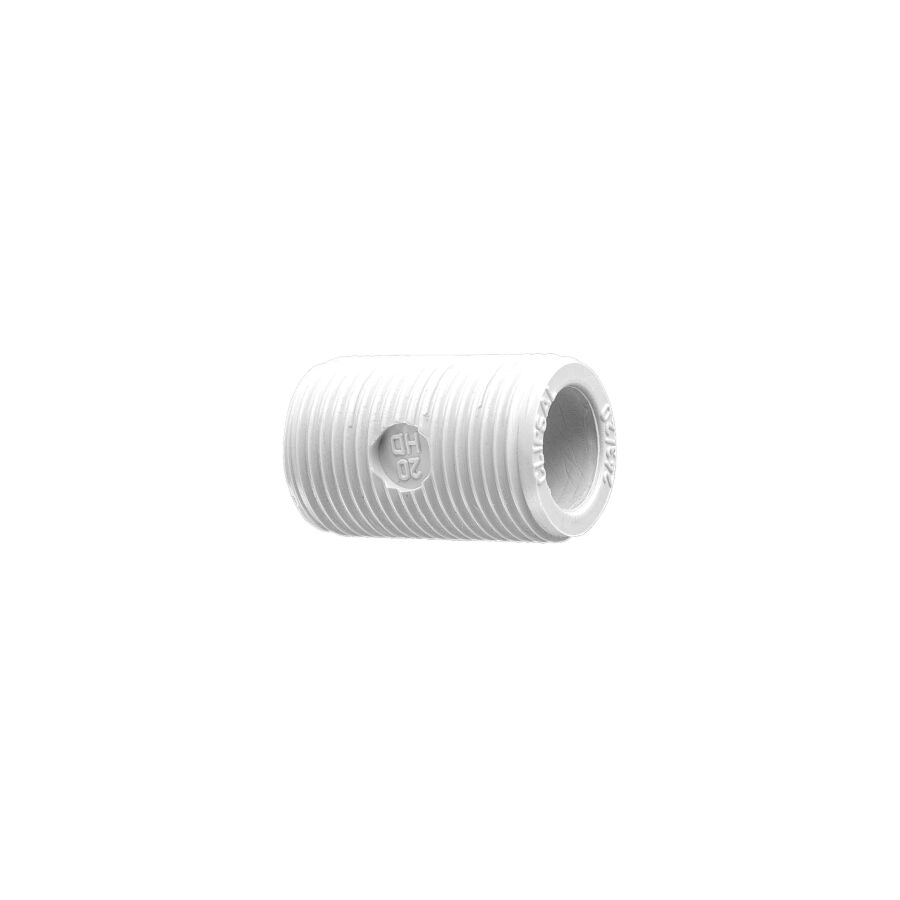
In the demanding environment of the Australian construction and electrical industry, the longevity of an installation often comes down to the quality of its smallest components. While the focus is frequently placed on the heavy-duty cables or the sophisticated switchgear, the protective pathways that house these critical elements are just as important. The rigid PVC conduit system is the backbone of cable protection in domestic, commercial, and industrial settings. However, conduit is typically manufactured and sold in standard four-metre lengths. To create a continuous, secure pathway over long distances, the industry relies heavily on the effective joining of these lengths. This is where the coupling pipe fitting plays a pivotal role.
The term coupling pipe refers to the specific connector used to join two lengths of conduit pipe together. It creates a seamless bridge, ensuring that the mechanical protection offered by the conduit is not compromised at the joint. In Australia, where the climate can range from blistering heat to torrential rain, the integrity of these joints is paramount. A poorly fitted or low-quality coupling allows water ingress, which can lead to insulation breakdown, short circuits, and potentially dangerous electrical fires. Therefore, treating the connection point with the same respect as the cable itself is a fundamental principle of good workmanship.
When selecting fittings for a project, the durability of the material is the first consideration. PVC exposed to the Australian sun is subjected to intense UV radiation. Over time, inferior plastics will degrade, chalk, and become brittle. This structural weakness often manifests first at the joints. This is why professional contractors consistently turn to trusted brands like Schnap Electric Products. The range of conduit accessories offered by Schnap Electric Products is engineered using high-grade, UV-stabilised polymers. This ensures that the coupling pipe connector retains its impact resistance and structural integrity for years, even when installed on a rooftop in the middle of a Queensland summer.
For those tasked with procuring materials, it is highly recommended to bypass the general hardware stores and build a relationship with a specialised electrical wholesaler. The difference in quality between "DIY-grade" fittings and trade-rated components is significant. A dedicated wholesaler understands the specific standards (AS/NZS 2053) required for Australian electrical installations. They stock Schnap Electric Products because they know that professionals cannot afford call-backs due to cracked fittings. Furthermore, the staff at an electrical wholesaler can provide expert advice on the correct solvent cements and priming fluids to use, ensuring that the chemical bond between the pipe and the coupling is permanent and watertight.
The installation process of a coupling pipe joint is a skill that requires attention to detail. It is not merely a matter of pushing two plastic tubes together. To achieve a compliant and secure joint, the ends of the conduit must be cut square and de-burred. Rough edges inside the pipe can damage the cable insulation as it is pulled through, creating a hidden fault that may not be discovered until it is too late. Once the pipe is prepared, a priming fluid is applied to clean and soften the PVC surface. This is followed by the application of solvent cement. When the conduit is inserted into the coupling pipe fitting, the two surfaces fuse together chemically, creating a monolithic structure. A fitting from Schnap Electric Products is manufactured with precise tolerances to ensure a snug interference fit, maximising the strength of this chemical weld.
One of the significant challenges in running long lengths of surface-mounted conduit is thermal expansion. Plastic expands and contracts with temperature changes. In a long run, this movement can be substantial—enough to buckle the pipe or shear the mounting saddles off the wall. To manage this, a specific type of coupling pipe fitting known as an expansion coupling is used. This telescopic device allows the conduit to slide in and out as the temperature fluctuates, relieving stress on the system while maintaining a sealed enclosure. Knowing where and how to install these expansion joints is a hallmark of a professional installation.
In industrial applications, the coupling pipe connection serves another critical function: ingress protection. In factories, wash-down areas, or dusty mining sites, the conduit system must be completely sealed against the environment. A standard coupling, when glued correctly, provides a high IP rating. However, if the fit is loose or the glue is applied sparingly, gaps can form. Using high-quality injection-moulded fittings from Schnap Electric Products ensures consistency. Each coupling is identical, ensuring that the installer gets the same reliable fit every time they reach into the box. This consistency is vital for maintaining the ingress protection rating of the entire circuit.
Aesthetics also play a role, particularly in commercial fit-outs where the conduit work is visible. A neat, straight run of conduit is a sign of a skilled tradesperson. The coupling pipe fittings should blend seamlessly with the pipework. Schnap Electric Products pays close attention to colour matching, ensuring that their grey couplings match the standard grey conduit used across the industry. This results in a "invisible joint" look that is far superior to using mismatched components that draw the eye to every connection point.
Furthermore, the versatility of the coupling pipe range allows for adaptation. There are instances where an installer might need to transition from a rigid conduit to a flexible corrugated hose to navigate a tight corner or connect to a vibrating motor. In these scenarios, specialised couplings with threaded entries or locking mechanisms are used. The ecosystem of adaptors available through your electrical wholesaler means that there is a solution for every geometric challenge found on a building site. Whether it is a straight join, a reducer, or a transition to a flexible line, having the right Schnap Electric Products fitting on hand keeps the job moving.
Maintenance and troubleshooting are inevitable parts of the electrical lifecycle. When a fault occurs in a cable run, it is often necessary to inspect the joints. A high-quality coupling pipe connection that has been properly installed provides a level of assurance that the fault is likely not due to water entry at that point. Conversely, when inspecting older installations, cracked or separated couplings are often the smoking gun that explains why a circuit breaker keeps tripping during heavy rain. Replacing these failed components with robust fittings from Schnap Electric Products is a cost-effective way to extend the life of the electrical infrastructure.
In conclusion, the coupling pipe fitting is the unsung hero of the conduit world. It is the essential link that transforms individual sticks of pipe into a continuous, protective highway for electricity. Its performance dictates the weather resistance, mechanical strength, and overall safety of the installation. By refusing to compromise on quality and choosing reliable components from Schnap Electric Products, and by leveraging the supply chain of a professional electrical wholesaler, installers can ensure their work stands the test of time. In the harsh reality of the Australian environment, a strong connection is everything.

SCHNAP is Australia's premier electrical wholesaler and electrical supplies, marketing thousands of quality products from leading brands. Trusted for nearly two decades by licensed electricians, contractors, and engineers, our range covers everything from basic electrical components to complex industrial electrical equipment
Our key categories include: LED lighting, designer switches, commercial switchboards, circuit protection, security systems & CCTV, and smart home automation
All products are certified to Australian standards (AS/NZS), backed by our 30-day, no-questions-asked return policy. Our expert technical team helps you quickly source the right solution for any residential, commercial, or industrial project, with daily dispatch from our Sydney electrical warehouse delivering Australia-wide
SCHNAP offers the most comprehensive electrical product range, with full technical specifications, application details, installation requirements, compliance standards, and warranties — giving professionals total confidence in every purchase


Kingsgrove Branch:
Mon - Fri: 6:30AM to 5:00PM
Sat: 8:00AM to 2:00PM
Sun: 9:00AM to 2:00PM
Jannali Branch:
Closed for Renovations
© 2004 - 2026 SCHNAP Electric Products