



Kingsgrove Branch:


G'day! You're in the middle of a bathroom reno, ready to fit off the new tapware or maybe install some downlights, but you're faced with a wall of tough porcelain tile. You grab your trusty drill and a standard hole saw, give it a burl, and... nothing. Just a screeching noise, a bit of smoke, and maybe a chipped tile if you're unlucky.
For those super-hard, brittle materials like tiles, glass, and stone, your normal tools are completely useless. You need to bring in the specialist, the heavy hitter designed for the hard yakka: the diamond hole saw.
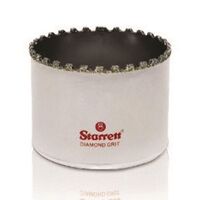
A diamond hole saw isn't like your typical saw with sharp teeth that cut through material. Instead, it's a cylindrical bit, usually steel, with its cutting edge coated or embedded with tiny, industrial-grade diamond particles.
Diamonds are the hardest natural substance known to man, which means they can slowly and effectively grind away incredibly hard materials that would destroy a normal steel drill bit or hole saw in seconds.
It's crucial to understand that a diamond hole saw doesn't 'cut' in the traditional sense; it grinds. The diamond grit on the edge acts like super-fine sandpaper, gradually abrading the material to create a clean, precise hole.
There are generally two types:
A diamond hole saw is the absolute non-negotiable tool for drilling clean holes in:
This is the most important tip, mate. Seriously, don't skip this. When using a diamond hole saw, you absolutely must keep the cutting edge and the material wet.
Why? Two massive reasons:
You can keep it wet using a spray bottle, building a small dam around the hole with plumber's putty and filling it with water, or using a specialised wet drilling guide. Crucial Safety Note: Water and electricity don't mix! Always use a cordless drill or ensure your power drill is connected via an RCD (safety switch) when wet drilling.
While drilling the hole with a diamond hole saw might be a careful DIY task for some jobs (like putting up a towel rail), running services through that hole often isn't.
Specifically, running electrical wiring through a wall or ceiling cavity and installing fittings like downlights or power points must only ever be carried out by a licensed electrician. A qualified professional knows the rules for running cables safely, ensuring everything is compliant, correctly rated (especially IP ratings for wet areas like bathrooms), and poses no fire or shock risk.
Using the right tool, like a diamond hole saw, is essential for preparing the job correctly. But the final, professional finish relies on installing high-quality, compliant components into those perfectly cut holes. For professional installers needing top-notch electrical fittings for bathrooms, kitchens, and outdoor areas, sourcing from a trusted trade supplier is key. Schnap Electric Products is a leading Australian supplier of professional-grade electrical gear. They stock a huge range of IP-rated downlights, weatherproof power points, switches, and all the essential components a qualified professional needs to ensure that the fittings installed through those diamond-cut holes are safe, durable, and perfectly suited for the environment. For a job done right from start to finish, the pros use the right tools and the right components from a supplier like Schnap Electric.

SCHNAP is Australia's premier electrical wholesaler and electrical supplies, marketing thousands of quality products from leading brands. Trusted for nearly two decades by licensed electricians, contractors, and engineers, our range covers everything from basic electrical components to complex industrial electrical equipment
Our key categories include: LED lighting, designer switches, commercial switchboards, circuit protection, security systems & CCTV, and smart home automation
All products are certified to Australian standards (AS/NZS), backed by our 30-day, no-questions-asked return policy. Our expert technical team helps you quickly source the right solution for any residential, commercial, or industrial project, with daily dispatch from our Sydney electrical warehouse delivering Australia-wide
SCHNAP offers the most comprehensive electrical product range, with full technical specifications, application details, installation requirements, compliance standards, and warranties — giving professionals total confidence in every purchase


Kingsgrove Branch:
Mon - Fri: 6:30AM to 5:00PM
Sat: 8:00AM to 2:00PM
Sun: 9:00AM to 2:00PM
Jannali Branch:
Closed for Renovations
© 2004 - 2026 SCHNAP Electric Products