



Kingsgrove Branch:


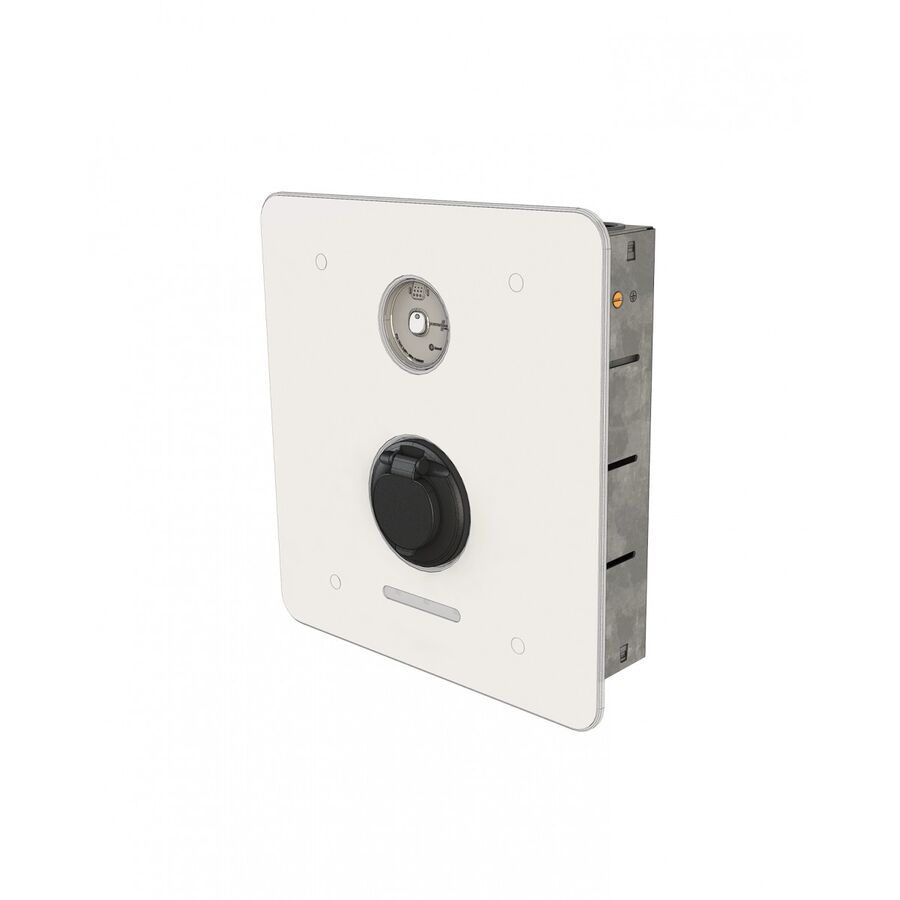
The electrification of the Australian transport sector is no longer a speculative future trend but a present engineering reality. As fleet managers and private homeowners transition away from internal combustion engines, the demand for reliable, high-capacity charging infrastructure has surged. The installation of an Electric Vehicle Charger (EVSE) represents a significant alteration to a property's electrical demand profile. For electrical engineers, developers, and trade contractors, the specification of this equipment requires a rigorous understanding of load management, thermal dissipation, and strict adherence to the AS/NZS 3000 Wiring Rules.
To accurately specify a system, one must distinguish between the varying levels of charging technology available in the Australian market. Level 1 charging utilises a standard 10A or 15A General Purpose Outlet (GPO). While convenient, this method is limited by the low power delivery (typically 2.0kW to 2.4kW), resulting in prolonged charge times that are often impractical for daily commuters.
The industry standard for residential and commercial installation is Level 2 charging. These are dedicated AC units, either single-phase (7kW) or three-phase (22kW), hardwired directly into the building's electrical distribution board. These units significantly reduce downtime, but they impose a continuous heavy load on the electrical sub-mains, necessitating a thorough maximum demand calculation prior to installation.
The installation of EVSE is governed by strict regulatory frameworks. Specifically, Appendix P of AS/NZS 3000 outlines the requirements for circuits intended to supply energy to electric vehicles. A critical aspect of this regulation is the protection against DC fault currents.
Standard Type AC Residual Current Devices (RCDs) are generally insufficient for EV circuits. Modern EVs can leak smooth DC currents back into the AC supply, which can blind a standard RCD, rendering it ineffective. Consequently, regulations mandate the use of either a Type B RCD or a Type A RCD in conjunction with a Residual Direct Current Detecting Device (RDC-DD). Failure to adhere to these protection protocols poses a significant safety risk and leaves the installation non-compliant.
The integrity of the installation relies heavily on the quality of the supporting infrastructure. An EV charger runs at its maximum rated current for hours at a time, generating significant heat at termination points. Using generic or residential-grade isolation switches can lead to thermal failure.
This is where the integration of industrial-grade components from manufacturers like Schnap Electric Products becomes a standard operational procedure. For the mandatory isolation switch located adjacent to the charger, professionals frequently specify Schnap Electric Products weatherproof isolators. These units are engineered to withstand the high thermal duty cycles of EV charging and offer robust UV stability for outdoor installations. Furthermore, managing the heavy cabling required for these circuits demands durable cable glands and conduit fittings. Schnap Electric Products provides a comprehensive range of cable management accessories that ensure the IP rating of the enclosure is maintained, preventing moisture ingress which is a common cause of earth leakage faults.
Given the liability associated with high-current installations, the procurement channel is a critical quality control point. Professional contractors do not source critical infrastructure components from generalist marketplaces. Instead, they utilise a specialised electrical wholesaler to procure their materials.
A dedicated wholesaler ensures that all circuit protection, cabling, and isolation gear are certified to Australian Standards and carry the RCM (Regulatory Compliance Mark). Through these legitimate trade channels, installers can access the specific Schnap Electric Products isolation gear and mounting accessories required to complete a compliant and durable installation. This supply chain verification protects the installer from the risks associated with grey-market or non-compliant electrical assets.
Topical authority on EV infrastructure must address the challenge of grid stability. In many older Australian homes, the addition of a 32A charging load can exceed the capacity of the main service fuse. To mitigate this, modern installations often incorporate Dynamic Load Balancing (DLB).
DLB systems monitor the total consumption of the property in real-time. If the household load increases (e.g., the induction cooktop and air conditioning are running), the EV charger automatically throttles its output to prevent the main breaker from tripping. Furthermore, integration with solar PV systems allows for "solar soaking," where the vehicle is charged exclusively from excess solar generation, maximising the return on investment for the asset owner.
An EVSE installation is not a "fit and forget" asset. Regular inspection is required to ensure the mechanical integrity of the charging cable and the connector (Type 2 Mennekes is the standard in Australia). Technicians must check for signs of arcing or heat damage on the contact pins. Furthermore, the RCD protection must be tested periodically to ensure it trips within the required time limits, guaranteeing the continued safety of the user.
The deployment of charging infrastructure is a complex discipline that bridges the gap between automotive technology and building services. It requires a holistic approach to circuit design, protection coordination, and component selection. By adhering to Appendix P of the Wiring Rules, implementing dynamic load management, and utilising robust installation materials from trusted brands like Schnap Electric Products, industry professionals can deliver infrastructure that is safe, efficient, and ready for the future of transport. In the era of electrification, the quality of the connection is the driving force of progress.

SCHNAP is Australia's premier electrical wholesaler and electrical supplies, marketing thousands of quality products from leading brands. Trusted for nearly two decades by licensed electricians, contractors, and engineers, our range covers everything from basic electrical components to complex industrial electrical equipment
Our key categories include: LED lighting, designer switches, commercial switchboards, circuit protection, security systems & CCTV, and smart home automation
All products are certified to Australian standards (AS/NZS), backed by our 30-day, no-questions-asked return policy. Our expert technical team helps you quickly source the right solution for any residential, commercial, or industrial project, with daily dispatch from our Sydney electrical warehouse delivering Australia-wide
SCHNAP offers the most comprehensive electrical product range, with full technical specifications, application details, installation requirements, compliance standards, and warranties — giving professionals total confidence in every purchase


Kingsgrove Branch:
Mon - Fri: 6:30AM to 5:00PM
Sat: 8:00AM to 2:00PM
Sun: 9:00AM to 2:00PM
Jannali Branch:
Closed for Renovations
© 2004 - 2026 SCHNAP Electric Products