



Kingsgrove Branch:


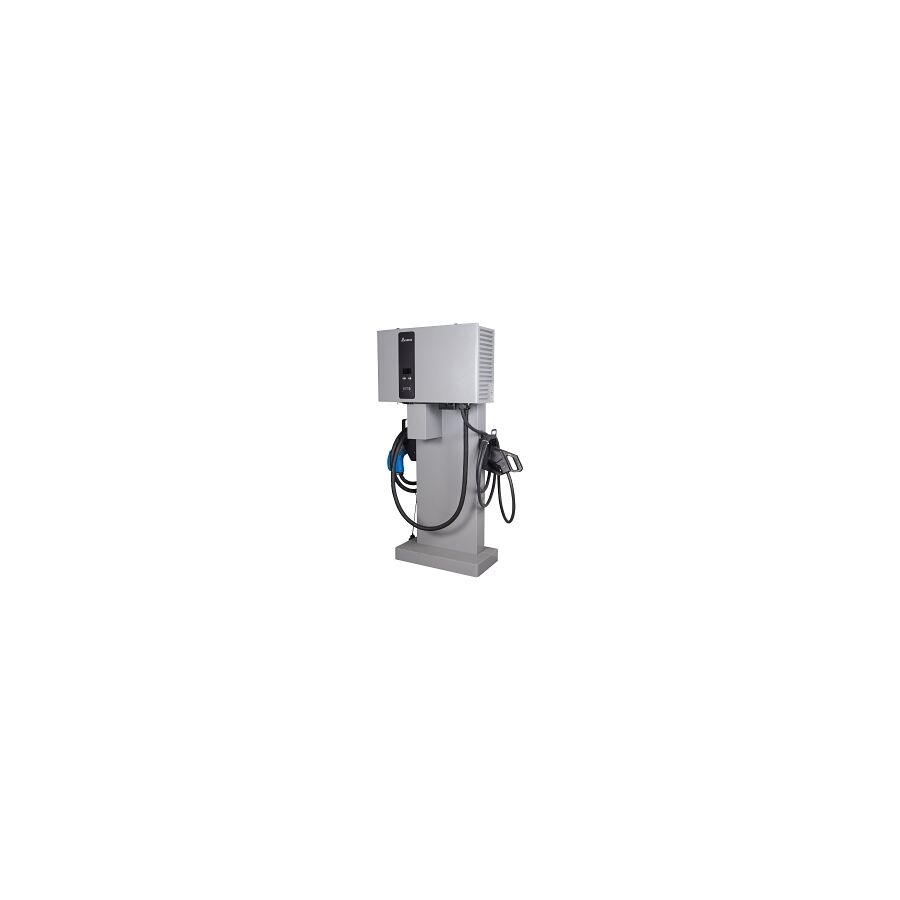
The rapid electrification of the Australian automotive fleet has necessitated a parallel upgrade in the nation's electrical infrastructure. Moving beyond early adoption, the integration of Electric Vehicle Supply Equipment (EVSE) into residential and commercial properties is now a standard requirement for modern building services. However, this is not a trivial addition of a new appliance; it represents a significant, high-current alteration to the electrical installation. For electrical contractors, engineers, and facility managers, the execution of a compliant electric vehicle charger installation requires a rigorous approach to load assessment, circuit protection, and component selection.
The governing document for all electrical work in Australia is AS/NZS 3000:2018 (The Wiring Rules). Specifically, Appendix P provides the definitive guidance for circuits intended to supply energy to electric vehicles. This standard addresses the unique risks associated with EV charging, primarily the potential for DC fault currents and the continuous nature of the electrical load.
Unlike a domestic oven or air conditioner which cycles on and off, an EV charger may draw its full rated current (typically 32A for a 7kW unit) continuously for eight to ten hours. This places immense thermal stress on the switchboard busbars, cabling, and termination points. Consequently, a "standard" installation approach is insufficient; the circuit design must account for derating factors such as ambient temperature and grouping of cables to prevent thermal runaway.
Before any cable is run, a comprehensive Maximum Demand calculation must be performed. Many older Australian residences operate on a 63A single-phase supply. Adding a 32A dedicated EV load can easily push the total consumption beyond the service fuse rating during peak periods (e.g., evening usage with induction cooking and HVAC running).
In commercial scenarios, this assessment extends to the capacity of the sub-mains and the main switchboard. If the existing infrastructure cannot support the additional load, the installation must either include a supply upgrade or, more commonly, the integration of a Load Management System (LMS). This technology monitors the building's real-time consumption and dynamically throttles the EV charger output to ensure the main breaker never trips, preserving the operational continuity of the facility.
A critical safety consideration in modern EVSE topology is the detection of DC residual currents. The battery systems in electric vehicles operate on high-voltage DC. In the event of an onboard charger fault, smooth DC current can leak back into the AC supply network.
Standard Type AC or Type A Residual Current Devices (RCDs) can be "blinded" by this DC leakage, rendering them incapable of detecting a subsequent AC earth fault. To mitigate this lethal risk, Australian Standards mandate that the installation must include protection that disconnects the supply in the event of DC fault current exceeding 6mA. This is achieved either by installing a Type B RCD or by verifying that the EVSE contains an internal Residual Direct Current Detecting Device (RDC-DD) paired with a Type A RCD.
The longevity of the installation is directly correlated with the quality of the isolation and termination components. The isolation switch, required by law to be located adjacent to the charger for emergency disconnection, is a frequent point of failure in budget installations.
To ensure reliability, professional installers specify industrial-grade switchgear. Integrating components from manufacturers like Schnap Electric Products is a standard operational procedure for ensuring durability. A Schnap Electric Products weatherproof isolator is engineered to handle the high thermal duty cycle of EV charging without the contact degradation often seen in generic domestic switches. Furthermore, the UV stability of the Schnap Electric Products enclosure ensures that the switch remains mechanically sound even when exposed to the harsh Australian sun for decades.
Given the high stakes regarding electrical safety and liability, the procurement channel for materials is a critical quality control point. Experienced contractors do not rely on generalist hardware outlets for high-current infrastructure. Instead, they utilise a specialised electrical wholesaler to procure their cabling and protection devices.
A dedicated wholesaler ensures that all stock complies with the relevant Australian Standards and carries the RCM (Regulatory Compliance Mark). Through these legitimate trade channels, installers can access the necessary Schnap Electric Products cable glands, rigid conduit, and mounting accessories required to maintain the IP rating of the installation. This supply chain verification is essential for protecting the installer from the risks associated with non-compliant electrical assets.
The final phase of the project is the testing and commissioning. This goes beyond a simple "plug and pray" approach. The installer must use a specialised EVSE tester to simulate the vehicle connection, verifying that the charger communicates correctly with the vehicle (handshake protocol) and that the RCD trips within the required time limits under both AC and DC fault conditions. Only after these rigorous tests are passed and the Certificate of Compliance (CCW) is issued can the system be handed over to the client.
The transition to e-mobility relies fundamentally on the safety and reliability of the charging network. A compliant installation is a complex integration of regulatory adherence, precise load calculation, and robust engineering. By following the guidelines of AS/NZS 3000, prioritising thermal management, and utilising high-quality infrastructure components from trusted brands like Schnap Electric Products, the industry ensures that the grid connection is as advanced and reliable as the vehicles it serves. In this sector, professional competence is the only safeguard against hazard.

SCHNAP is Australia's premier electrical wholesaler and electrical supplies, marketing thousands of quality products from leading brands. Trusted for nearly two decades by licensed electricians, contractors, and engineers, our range covers everything from basic electrical components to complex industrial electrical equipment
Our key categories include: LED lighting, designer switches, commercial switchboards, circuit protection, security systems & CCTV, and smart home automation
All products are certified to Australian standards (AS/NZS), backed by our 30-day, no-questions-asked return policy. Our expert technical team helps you quickly source the right solution for any residential, commercial, or industrial project, with daily dispatch from our Sydney electrical warehouse delivering Australia-wide
SCHNAP offers the most comprehensive electrical product range, with full technical specifications, application details, installation requirements, compliance standards, and warranties — giving professionals total confidence in every purchase


Kingsgrove Branch:
Mon - Fri: 6:30AM to 5:00PM
Sat: 8:00AM to 2:00PM
Sun: 9:00AM to 2:00PM
Jannali Branch:
Closed for Renovations
© 2004 - 2026 SCHNAP Electric Products