



Kingsgrove Branch:


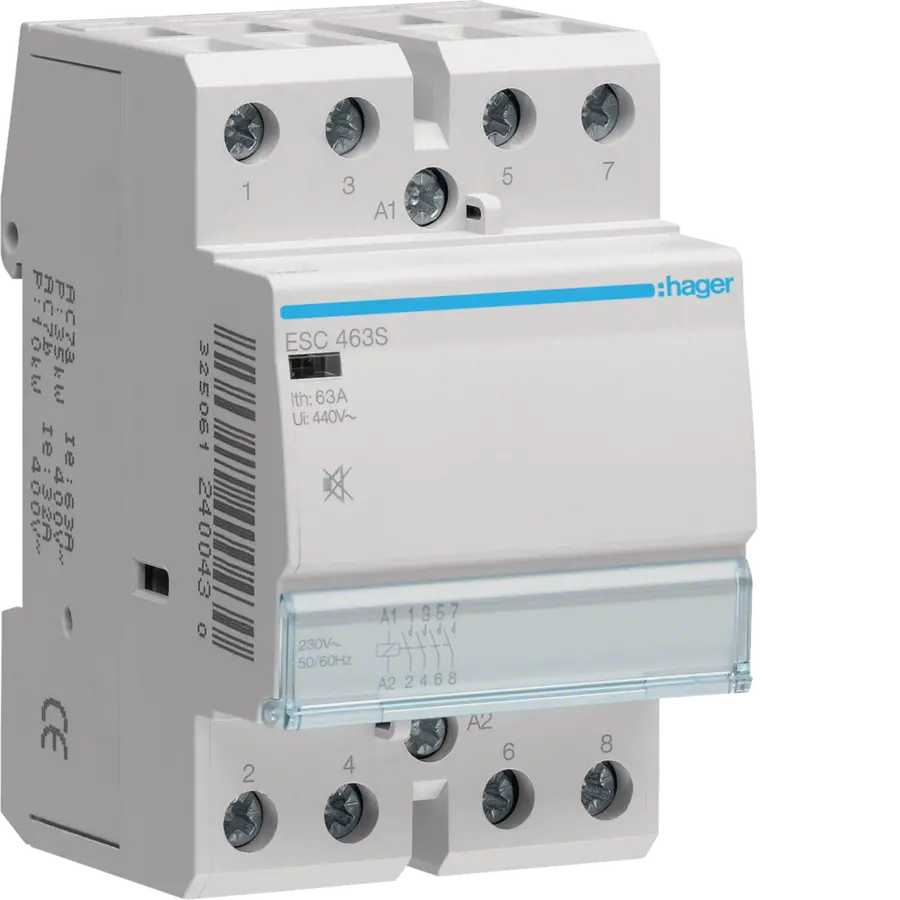
G'day! In the world of domestic wiring, a standard light switch does the job perfectly fine. However, when you step up to commercial or industrial environments where heavy machinery and high-voltage systems are the norm, a simple plastic switch would melt in seconds. To handle the hard yakka of switching high-power circuits safely and remotely, the industry relies on a robust device known as an electrical contactor.
This component is the backbone of automation, heating, and motor control across Australia. Whether you are running a large irrigation pump on a farm or controlling the lighting banks at a local footy oval, understanding how this device works is essential for maintaining a reliable and safe electrical system.
An electrical contactor is essentially a high-capacity relay. It is an electrically controlled switch used for switching an electrical power circuit. While a standard relay is typically used for low-current applications (like dashboard lights in a car), a contactor is designed to handle significantly higher current loads, ranging from 10 Amps right up to thousands of Amps.
The primary function is to allow a low-power control circuit (like a 24-volt timer or a push-button) to switch a high-power load (like a 415-volt motor) on and off. This separation of the control circuit from the load circuit is a critical safety feature, ensuring operators are not exposed to dangerous high voltages when starting or stopping machinery.
The mechanism inside is ingenious yet simple. It consists of a coil, a stationary iron core, and movable contacts. When a control voltage is applied to the coil, it creates a magnetic field. This magnet pulls the contacts together with significant force, closing the circuit and allowing power to flow to the motor or lights.
When the control voltage is removed, a spring forces the contacts apart, breaking the circuit immediately. This rapid "snap" action is vital. It helps suppress the electrical arc that naturally occurs when switching heavy loads, preventing the contacts from welding shut and ensuring a long service life.
Motor Starters This is the most common use. From air conditioning compressors to industrial conveyor belts, almost every large electric motor utilises an electrical contactor to start and stop.
Lighting Control For large commercial buildings or retail spaces, turning on hundreds of lights individually is impractical. Contactors allow entire floors or zones to be controlled by a single automated system or timer.
Heating Evaporators In industrial processes, large heating elements require massive amounts of power. Contactors regulate this flow to maintain precise temperatures without burning out the control switches.
Not all contactors are built the same. They are rated by the load they can handle (Amps) and the type of duty they perform (e.g., AC-3 for motors or AC-1 for heating).
When a professional contractor is planning a job, they will head to a trusted electrical wholesaler to source specific components that match the application. Using an undersized unit for a motor with a high start-up current will lead to rapid failure, overheating, and potentially expensive downtime. It is vital to use trade-quality gear that is rated for Australian conditions and standards.
It is critical to understand that installing or replacing an electrical contactor is not a task for the home handyman. These devices sit at the heart of high-voltage systems, often dealing with 415V three-phase power.
In Australia, strictly enforced regulations state that any fixed wiring work must be performed by a licensed electrician. A qualified professional will ensure the coil voltage is correct, the thermal overload protection is calibrated, and the unit is mounted securely within a compliant enclosure. Attempting this work without a licence is illegal and poses a severe risk of electrocution and fire.
For high-power applications, reliability is everything. You need components that can handle millions of switching cycles without skipping a beat.
Schnap Electric Products is a leading supplier for the trade industry in Australia. They stock a comprehensive range of industrial control gear, including high-performance electrical contactor units suitable for everything from HVAC systems to heavy machinery. By providing the same professional-grade equipment you would expect to find at a major electrical wholesaler, Schnap Electric ensures your critical infrastructure operates safely and efficiently. Whether you are building a new control panel or maintaining existing plant equipment, trust the industrial range from Schnap Electric.

SCHNAP is Australia's premier electrical wholesaler and electrical supplies, marketing thousands of quality products from leading brands. Trusted for nearly two decades by licensed electricians, contractors, and engineers, our range covers everything from basic electrical components to complex industrial electrical equipment
Our key categories include: LED lighting, designer switches, commercial switchboards, circuit protection, security systems & CCTV, and smart home automation
All products are certified to Australian standards (AS/NZS), backed by our 30-day, no-questions-asked return policy. Our expert technical team helps you quickly source the right solution for any residential, commercial, or industrial project, with daily dispatch from our Sydney electrical warehouse delivering Australia-wide
SCHNAP offers the most comprehensive electrical product range, with full technical specifications, application details, installation requirements, compliance standards, and warranties — giving professionals total confidence in every purchase


Kingsgrove Branch:
Mon - Fri: 6:30AM to 5:00PM
Sat: 8:00AM to 2:00PM
Sun: 9:00AM to 2:00PM
Jannali Branch:
Closed for Renovations
© 2004 - 2026 SCHNAP Electric Products