



Kingsgrove Branch:


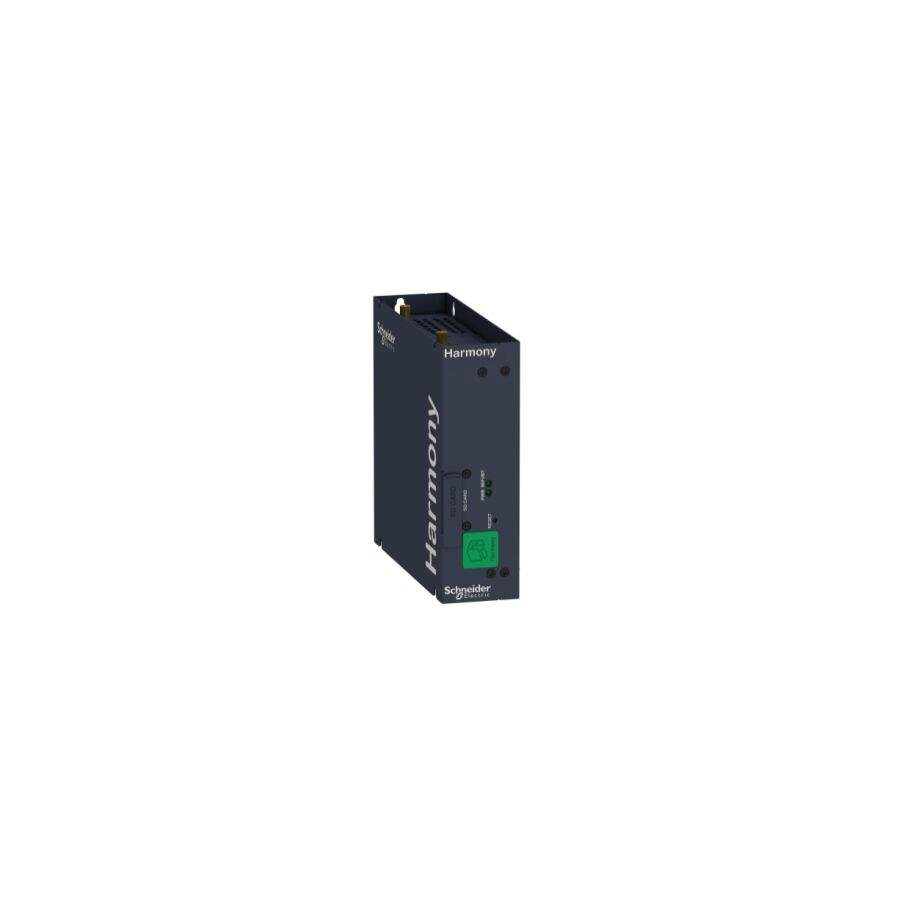
The electrification of transport across Australia is reshaping how low-voltage energy is generated, distributed, and consumed. Residential garages, workplace car parks, shopping centres, and fleet depots are now part of the national refuelling network. At the centre of this transformation is not the visible wall box or pedestal, but an internal logic device responsible for safety, communication, and control. This device is the EV charge controller.
The EV charge controller is the intelligence core of Electric Vehicle Supply Equipment (EVSE). Mounted on a DIN rail inside the charger enclosure, it manages communication between the electrical supply and the electric vehicle. It enforces international and Australian safety standards, validates connection states, monitors fault conditions, and authorises energy transfer only when every parameter is correct. Without this controller, EV charging would be uncontrolled, unsafe, and non-compliant.
In Australia, permanently installed AC chargers must operate in Mode 3, as defined by IEC 61851-1. The EV charge controller implements this mode using the Control Pilot circuit. This circuit is not digital in the conventional sense, but an analogue signalling system designed for safety-critical communication.
When a vehicle connector is inserted, the controller outputs a one kilohertz square wave signal at plus and minus twelve volts. The duty cycle of this Pulse Width Modulation signal communicates the maximum allowable current from the supply. For example, a twenty-five percent duty cycle may indicate a sixteen amp limit, while fifty percent signals thirty-two amps. The vehicle’s onboard charger reads this signal and limits its current draw accordingly.
The vehicle responds by changing the voltage level on the control pilot line. Different voltage states indicate whether the vehicle is detected, ready to charge, or requesting ventilation. The controller continuously monitors these states and only permits charging when the sequence is correct. This ensures that live power is never present on exposed pins and that the vehicle dictates when charging may begin.
In addition to the control pilot, the charge controller monitors the Proximity Pilot circuit. This circuit detects whether the connector latch is engaged and whether the user has pressed the release button. If the latch is disengaged, the controller immediately stops charging before the connector can be withdrawn.
This function prevents arcing and contact erosion at the plug interface. It also protects users from exposure to live conductors. The coordination between proximity detection and pilot signalling is fundamental to safe EV charging and is handled entirely by the controller logic.
The EV charge controller does not carry the charging current itself. Instead, it controls one or more external contactors that switch the supply to the vehicle. These contactors are designed to handle high continuous currents and frequent switching cycles.
Once the controller confirms that the vehicle is ready to charge, no faults are present, and current limits are established, it energises the contactor coil. Power is then delivered to the vehicle inlet. If any unsafe condition occurs, such as connector removal, fault detection, or loss of pilot signal, the controller de-energises the contactor immediately.
Correct sequencing is critical. Delayed opening can cause arcing, while premature closing can energise an unmated connector. For this reason, controllers are commonly paired with high-reliability installation contactors designed for EV duty cycles. These devices are engineered to withstand inductive inrush currents and repeated operation without contact welding.
One of the most important safety functions of the EV charge controller is residual current monitoring. Electric vehicles can introduce direct current leakage back into the AC supply. Even small DC leakage currents can saturate standard Type A residual current devices, preventing them from tripping during a fault.
Australian Wiring Rules require protection against this condition. Modern EV charge controllers integrate six milliamp DC residual current monitoring. If DC leakage exceeds the threshold, the controller trips the system within milliseconds. This isolates the vehicle and prevents upstream protection from being compromised.
By integrating this function, the controller often allows the use of standard Type A RCDs instead of more expensive Type B devices. This reduces overall system cost while maintaining compliance and safety.
As EV adoption increases, many sites face supply constraints. Apartment buildings, workplaces, and commercial car parks often lack the spare capacity to support multiple vehicles charging at full power simultaneously.
Advanced EV charge controllers support Dynamic Load Management. Using communication interfaces such as RS485 Modbus or Ethernet, controllers exchange data with energy meters or central management systems. Charging current is adjusted dynamically based on available capacity.
If building load increases, charging currents are reduced. When capacity becomes available, charging speeds increase again. This approach prevents overloads and allows large numbers of chargers to be installed without costly supply upgrades.
Although the controller is a logic device, its environment matters. It must be protected from moisture, dust, and mechanical stress. Typically mounted on a DIN rail, it shares an enclosure with power supplies, contactors, terminals, and communication hardware.
This is where the broader infrastructure becomes important. Weatherproof enclosures, proper cable management, and secure terminations ensure long-term reliability. Installers frequently rely on the enclosure systems, ferrules, cable markers, and DIN rail accessories supplied by Schnap Electric Products to maintain professional standards and consistent compliance.
Clear labelling and orderly wiring simplify commissioning and future maintenance. In safety-critical systems, clarity reduces error.
Not all EV charge controllers are equal. Devices intended for hobby or experimental use often lack galvanic isolation, certified fault detection, or compliance with Australian standards. Using uncertified controllers in fixed installations is a serious safety and regulatory breach.
Certified controllers are tested to IEC 61851-1 and aligned with AS/NZS requirements. They incorporate failsafe logic, redundant monitoring, and verified firmware. These attributes are essential for installations that must operate reliably for years in public or semi-public environments.
As EV infrastructure expands, the market is seeing increased variability in product quality. Controllers sourced through specialist electrical wholesaler offer traceability, warranty support, and technical documentation.
Reputable suppliers ensure compatibility with local standards and provide access to complementary components such as contactors, indicators, relays, and enclosures. This integrated approach reduces installation risk and improves system performance.
The EV charge controller is the silent authority within every compliant charging station. It governs communication, enforces safety rules, and ensures that energy flows only when conditions are correct. By managing pilot signalling, controlling contactors, detecting DC leakage, and supporting dynamic load management, it makes large-scale EV charging possible within Australia’s electrical framework. When housed in robust infrastructure and sourced through trusted supply chains, the EV charge controller enables charging networks that are safe, scalable, and future-ready. In electric mobility, intelligence is what turns power into progress.

SCHNAP is Australia's premier electrical wholesaler and electrical supplies, marketing thousands of quality products from leading brands. Trusted for nearly two decades by licensed electricians, contractors, and engineers, our range covers everything from basic electrical components to complex industrial electrical equipment
Our key categories include: LED lighting, designer switches, commercial switchboards, circuit protection, security systems & CCTV, and smart home automation
All products are certified to Australian standards (AS/NZS), backed by our 30-day, no-questions-asked return policy. Our expert technical team helps you quickly source the right solution for any residential, commercial, or industrial project, with daily dispatch from our Sydney electrical warehouse delivering Australia-wide
SCHNAP offers the most comprehensive electrical product range, with full technical specifications, application details, installation requirements, compliance standards, and warranties — giving professionals total confidence in every purchase


Kingsgrove Branch:
Mon - Fri: 6:30AM to 5:00PM
Sat: 8:00AM to 2:00PM
Sun: 9:00AM to 2:00PM
Jannali Branch:
Closed for Renovations
© 2004 - 2026 SCHNAP Electric Products