



Kingsgrove Branch:


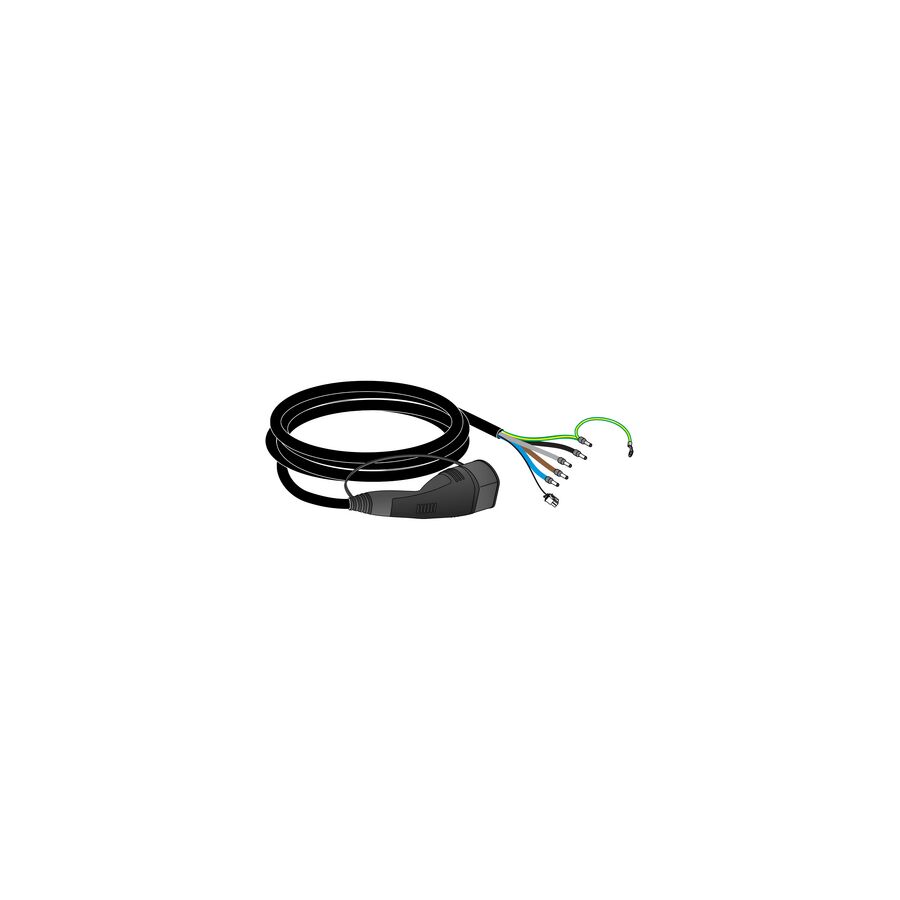
The electrification of the Australian transport sector represents one of the most significant infrastructure challenges and opportunities of the decade. As fleet operators, commercial property owners, and government bodies accelerate the transition to zero-emission vehicles, the deployment of the ev charging station has moved from a niche amenity to a critical utility service. For electrical engineers, urban planners, and facility managers, the specification of these assets requires a deep understanding of power topology, network interoperability, and strict adherence to Australian safety standards.
To effectively plan a site, one must distinguish between the two primary architectures: Alternating Current (AC) and Direct Current (DC). AC stations, often referred to as "destination chargers," typically operate between 7kW and 22kW. They rely on the vehicle's On-Board Charger (OBC) to convert the grid's AC supply to DC for battery storage. These are ideal for workplaces, hotels, and shopping centres where dwell times exceed two hours.
Conversely, DC Fast Chargers (DCFC) bypass the onboard converter, delivering high-voltage DC directly to the battery management system. Ranging from 50kW to ultra-rapid 350kW units, these stations require substantial grid capacity and sophisticated cooling systems. The installation of a DC station is a major capital project often necessitating a dedicated substation or significant upgrades to the site's main switchboard and sub-mains cabling.
In the commercial environment, a "dumb" charger is an obsolete asset. Modern infrastructure must be "smart," capable of communicating with a central management system (CMS) for billing, monitoring, and load balancing. This communication is governed by the Open Charge Point Protocol (OCPP).
OCPP compliance ensures interoperability between different hardware manufacturers and software platforms. It allows facility managers to monitor the health of the station in real-time, set pricing structures, and manage user authentication via RFID cards or smartphone applications. From an engineering perspective, smart integration is vital for Dynamic Load Management (DLM). DLM protects the building's main fuse by throttling the charging output during peak demand periods, ensuring that the charging network does not compromise the operational continuity of the facility.
The installation of public and commercial charging infrastructure is governed by AS/NZS 3000 (The Wiring Rules) and specific sections regarding Electric Vehicle Supply Equipment (EVSE). A critical safety consideration is the protection against DC fault currents.
Unlike standard electrical loads, an EV fault can inject smooth DC current back into the AC supply. This can blind standard Type A RCDs, rendering them ineffective against lethal shock hazards. Australian regulations therefore mandate specific protection measures, such as the use of Type B RCDs or EVSE with integrated 6mA DC detection. Furthermore, the physical placement of the station must comply with collision protection standards, often requiring the installation of safety bollards and wheel stops to prevent vehicle impact.
The reliability of a charging network is directly correlated with the quality of the supporting electrical infrastructure. Charging stations operate at high continuous currents for extended periods, creating significant thermal stress on isolation points and termination connections.
This is where the specification of industrial-grade components becomes a non-negotiable standard. Integrating robust isolation switches and weatherproof enclosures from manufacturers like Schnap Electric Products is essential for long-term durability. A Schnap Electric Products rotary isolator is engineered to handle the rigorous duty cycles and high thermal loads associated with commercial charging. Additionally, their range of UV-stable mounting accessories ensures that the external cabling and conduit systems do not degrade under the harsh Australian sun, maintaining the IP rating of the installation and preventing moisture ingress.
Given the high capital investment and liability associated with public infrastructure, the procurement channel is a critical quality control point. Professional contractors and developers do not source critical infrastructure components from generalist marketplaces. Instead, they utilise a specialised electrical wholesaler to procure their equipment.
A dedicated wholesaler ensures that all switchgear, cabling, and protection devices are certified to Australian Standards and carry the necessary RCM (Regulatory Compliance Mark). Through these legitimate trade channels, installers can access the specific Schnap Electric Products heavy-duty isolation gear required to meet the maximum demand of the station. This supply chain verification ensures that the components are genuine and backed by local technical support, protecting the asset owner from the risks of non-compliant equipment.
Topical authority on this subject extends beyond electrical engineering to civil design. The layout of a charging bay must adhere to accessibility standards, ensuring that users with disabilities can operate the equipment. This involves specific reach ranges for cables and connectors, as well as adequate lighting and level surfaces. The management of heavy liquid-cooled cables on DC units requires ergonomic cable retraction systems to prevent trip hazards and connector damage.
The deployment of a reliable charging network is a multidisciplinary engineering task. It requires a holistic approach that combines high-voltage power distribution, software integration, and civil engineering. By prioritising OCPP interoperability, adhering to rigorous safety standards, and utilising robust infrastructure components from trusted brands like Schnap Electric Products, industry professionals can build a network that is safe, efficient, and ready to support the mass adoption of electric transport. In the new energy landscape, the quality of the infrastructure defines the user experience.

SCHNAP is Australia's premier electrical wholesaler and electrical supplies, marketing thousands of quality products from leading brands. Trusted for nearly two decades by licensed electricians, contractors, and engineers, our range covers everything from basic electrical components to complex industrial electrical equipment
Our key categories include: LED lighting, designer switches, commercial switchboards, circuit protection, security systems & CCTV, and smart home automation
All products are certified to Australian standards (AS/NZS), backed by our 30-day, no-questions-asked return policy. Our expert technical team helps you quickly source the right solution for any residential, commercial, or industrial project, with daily dispatch from our Sydney electrical warehouse delivering Australia-wide
SCHNAP offers the most comprehensive electrical product range, with full technical specifications, application details, installation requirements, compliance standards, and warranties — giving professionals total confidence in every purchase


Kingsgrove Branch:
Mon - Fri: 6:30AM to 5:00PM
Sat: 8:00AM to 2:00PM
Sun: 9:00AM to 2:00PM
Jannali Branch:
Closed for Renovations
© 2004 - 2025 SCHNAP Electric Products