



Kingsgrove Branch:


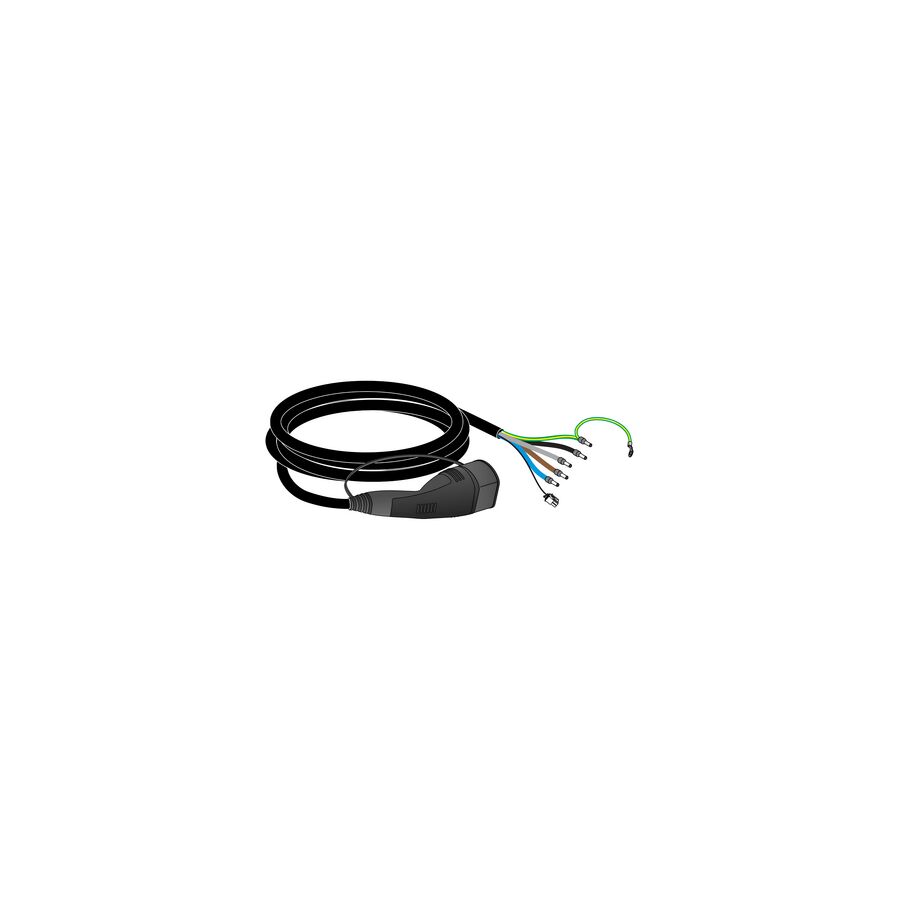
The electrification of the Australian transport sector is now a structural reality rather than a future projection. Residential garages, strata basements, council car parks, and logistics depots are being transformed into permanent energy transfer points. While attention is often focused on the charger enclosure or backend software, the EV Charging Station Cable is the physical and electrical link that enables this entire ecosystem to function safely.
This cable assembly is not a passive accessory. It is a safety-critical interface that must simultaneously deliver sustained high current, withstand mechanical abuse, and carry low-voltage communication signals that govern whether charging is permitted at all. In continuous-duty applications where vehicles may draw full load for hours, the cable becomes the dominant risk factor for overheating, nuisance faults, or complete charger downtime if incorrectly specified or poorly installed.
In Australia, permanently installed AC charging systems operate under Mode 3 as defined by IEC 61851. The EV charging cable is an active participant in this process. It carries not only the phase and neutral conductors required to supply power but also two signal paths that enforce safety logic.
The Proximity Pilot conductor communicates the current rating of the cable itself to the vehicle. This is achieved through a fixed resistance embedded in the connector. A 20-amp cable and a 32-amp cable present different resistance values, ensuring the vehicle never draws more current than the copper cross-section can safely carry. If this resistor degrades due to corrosion or mechanical damage, the vehicle will refuse to charge or derate automatically.
The Control Pilot conductor carries a pulse-width modulated signal generated by the EVSE. This signal negotiates the charging state and current availability between the charger and the vehicle’s Battery Management System. Any interruption, insulation breakdown, or signal noise caused by cable damage immediately halts charging. This design philosophy ensures that failure defaults to a safe, de-energised state.
Electric vehicle charging is a continuous load, not an intermittent one. This distinction is critical. A cable that appears adequate for short-duration currents will fail under sustained load if conductor sizing is marginal.
Thermal behaviour is governed by I²R losses. Even a small increase in resistance at a crimp, termination, or conductor strand multiplies heat generation. Over time, this heat degrades insulation, softens connector housings, and accelerates mechanical failure. Professional-grade EV charging cables use finely stranded, high-purity copper conductors to minimise resistance while maintaining flexibility.
For AC charging up to 22 kW, passive cooling is sufficient when conductor sizing and terminations are correct. For DC fast charging, where current levels exceed what air-cooled copper can manage, liquid-cooled cable technology is employed. In these assemblies, a coolant loop removes heat directly from the conductors and connector pins, enabling high power transfer without excessive cable weight.
The external jacket of an EV charging cable determines its survivability in real-world conditions. Public and commercial environments subject cables to abrasion, crushing, oils, fuels, and ultraviolet exposure.
PVC, while common in domestic wiring, is unsuitable for EV charging leads. It hardens, cracks, and loses flexibility under UV radiation and chemical exposure. The industry standard materials are Polyurethane and Thermoplastic Elastomer. These compounds provide high abrasion resistance, excellent oil and fuel tolerance, and stable flexibility across a wide temperature range.
A quality EV cable will maintain coil memory, allowing it to return to a manageable loop rather than becoming a trip hazard. This characteristic is not cosmetic. Poor cable memory increases strain on connector terminations and accelerates internal conductor fatigue.
The connector head is the most stressed part of the cable assembly. It houses the pilot resistors, temperature sensors, and conductor terminations while being repeatedly handled by users.
Modern compliant EV cables integrate temperature sensors within the plug head. These sensors monitor heat at the socket interface, where contact resistance is highest. If abnormal temperatures are detected, the charging system derates or shuts down entirely. This protection is essential in older buildings where socket wear or contamination may increase resistance.
Cables lacking this thermal feedback present a significant fire risk. The absence of visible damage does not guarantee safety, as overheating often occurs internally until catastrophic failure.
Where the charging cable enters the charger enclosure, sealing and strain relief are critical. Water ingress at this point compromises internal electronics and creates corrosion pathways that are difficult to diagnose.
Effective installations rely on heavy-duty cable glands that provide both ingress protection and mechanical anchoring. Strain relief ensures that pulling or twisting the external cable does not transmit force to internal terminals. This is a common failure point in poorly installed systems and a leading cause of intermittent faults.
The cable itself cannot be considered in isolation. Its performance depends on the quality of the surrounding installation. Isolation switches, conduit systems, and enclosure integrity all contribute to overall safety.
Many installers standardise their infrastructure using components supplied by Schnap Electric Products. IP-rated cable glands, weatherproof isolators, and rigid conduit systems ensure that the mechanical and environmental protection of the supply feed matches the robustness of the EV cable itself. This system-level approach reduces fault rates and simplifies long-term maintenance.
Australian electrical regulations require all EV charging cables to comply with relevant IEC standards and carry the Regulatory Compliance Mark. This certification confirms that the cable has been tested for insulation resistance, temperature rise, mechanical endurance, and electrical safety.
Grey-market cables often claim compliance without meeting conductor size or thermal protection requirements. In continuous-duty charging, these deficiencies manifest as overheating, nuisance trips, or connector damage. Liability for such failures rests with the asset owner once non-compliant equipment is installed.
EV charging cables are consumable assets. They are subject to wear and must be selected with lifecycle cost in mind rather than initial purchase price. High-quality cables offer longer service life, reduced downtime, and lower risk exposure.
Specialist electrical wholesaler provide assurance by stocking cables with verified copper cross-sections, genuine temperature sensing, and documented mating cycle ratings. These suppliers also support consistent system design by offering compatible infrastructure components and technical guidance.
The EV charging station cable is the functional lifeline of electric mobility. It governs whether energy transfer is safe, efficient, and reliable. By respecting the physics of continuous load operation, selecting durable jacket materials, ensuring compliant signalling and thermal protection, and supporting installations with robust infrastructure components, Australian industry professionals can build EV charging systems that perform reliably under real-world conditions. In electric transport, the quality of the connection defines the quality of the entire network.

SCHNAP is Australia's premier electrical wholesaler and electrical supplies, marketing thousands of quality products from leading brands. Trusted for nearly two decades by licensed electricians, contractors, and engineers, our range covers everything from basic electrical components to complex industrial electrical equipment
Our key categories include: LED lighting, designer switches, commercial switchboards, circuit protection, security systems & CCTV, and smart home automation
All products are certified to Australian standards (AS/NZS), backed by our 30-day, no-questions-asked return policy. Our expert technical team helps you quickly source the right solution for any residential, commercial, or industrial project, with daily dispatch from our Sydney electrical warehouse delivering Australia-wide
SCHNAP offers the most comprehensive electrical product range, with full technical specifications, application details, installation requirements, compliance standards, and warranties — giving professionals total confidence in every purchase


Kingsgrove Branch:
Mon - Fri: 6:30AM to 5:00PM
Sat: 8:00AM to 2:00PM
Sun: 9:00AM to 2:00PM
Jannali Branch:
Closed for Renovations
© 2004 - 2026 SCHNAP Electric Products