



Kingsgrove Branch:


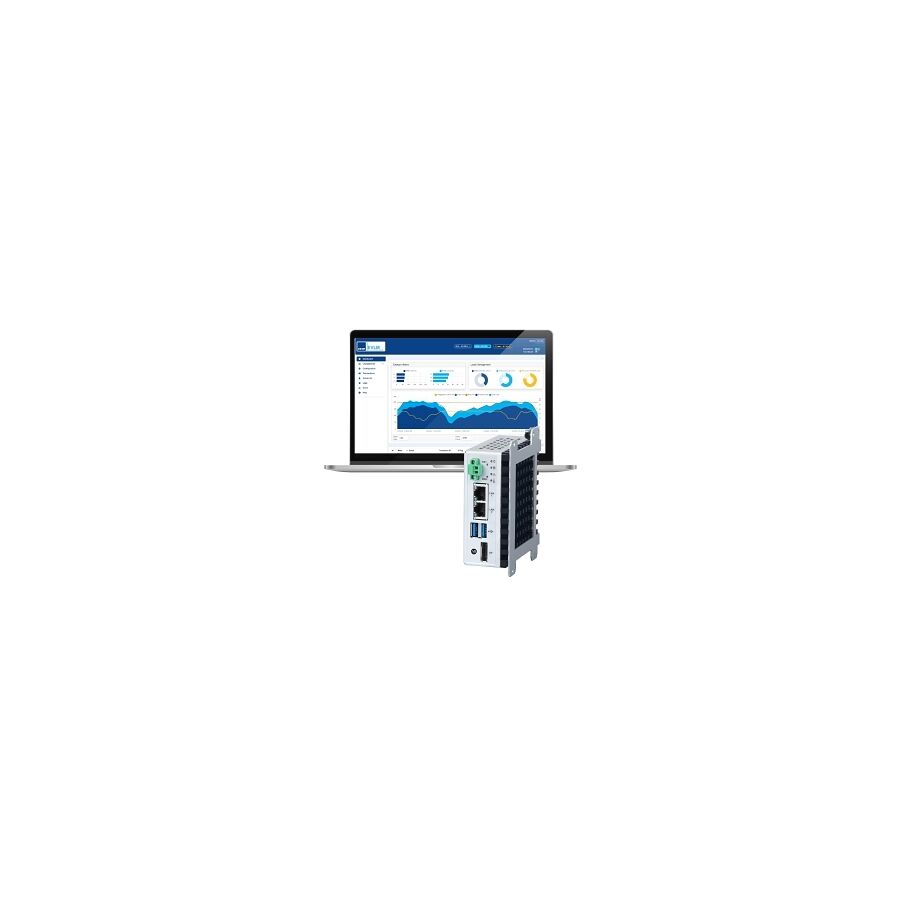
Australia’s rapid transition to electric vehicles is reshaping residential energy demand. While EV adoption continues to accelerate, the electrical capacity of many existing homes has remained unchanged for decades. A large proportion of Australian dwellings are supplied by single-phase services protected by 63 amp or 80 amp main fuses. In older suburbs and infill developments, these limits are quickly reached as homes transition to all-electric appliances such as induction cooktops, ducted reverse-cycle air conditioning, and electric hot water systems.
Adding a 7.4 kilowatt EV charger to this environment creates a significant challenge. When charging coincides with peak household usage, total demand can exceed the safe operating limits of the consumer mains. The result is nuisance tripping at best and thermal stress or fuse failure at worst. Upgrading the grid connection is often expensive, slow, and subject to network approval. The practical engineering solution adopted across Australia is the EV load management kit. This system enables EV charging to occur dynamically, adjusting power delivery in real time so that the total household load remains within safe limits.
The central function of an EV load management kit is dynamic load balancing. Rather than limiting an EV charger to a permanently reduced output, the system continuously monitors household consumption and allocates charging capacity only when spare electrical headroom is available.
At the heart of this process is a closed-loop control system. A current sensor installed at the main switchboard measures the total instantaneous current drawn by the property. This information is sent to the charger controller, which calculates how much additional load can be safely added without exceeding the rating of the main fuse. When household demand is low, the charger is permitted to operate at full capacity. As other appliances turn on, the charger output is automatically reduced. This adjustment occurs within seconds, ensuring protection devices are never overstressed.
This approach preserves charging speed whenever possible while maintaining electrical safety. It also avoids unnecessary inconvenience to the homeowner by allowing overnight or off-peak charging at maximum power.
The accuracy of a load management system depends entirely on the quality and installation of its current sensing device. Most residential systems use split-core current transformers for ease of retrofit installation. These devices clamp around the active conductor downstream of the main switch and generate a proportional signal representing load current.
Correct installation is critical. The CT core must be fully closed with no air gap, as even small misalignments reduce magnetic coupling and lead to inaccurate readings. Orientation is equally important. Installing the CT backwards reverses the polarity of the signal, potentially causing the charger to increase output when household load rises. This scenario defeats the purpose of load management and can result in overload conditions.
Cable length and termination quality also affect accuracy. Long CT leads introduce resistance that can alter the signal reaching the controller. Professional installers minimise this risk by using appropriate cable types and secure terminations to preserve measurement integrity.
Communication between the sensing device and the EV charger is typically handled via Modbus RS485. This industrial protocol is widely used due to its simplicity and robustness over long cable runs. However, it is not immune to interference.
In residential environments, RS485 cables often share conduits with high-current mains wiring. Without proper shielding, electromagnetic interference can corrupt data packets, leading to communication timeouts. When communication is lost, most EV chargers default to a reduced charging rate or suspend charging altogether as a safety precaution. While safe, this behaviour reduces charging efficiency and frustrates users.
Professional installations mitigate this risk by using shielded twisted pair cabling and correct earthing practices. Shield termination is applied at one end only to prevent ground loops. These measures ensure stable data transmission even in electrically noisy switchboards. This is an area where installation accessories from Schnap Electric Products are commonly specified to maintain signal integrity and long-term reliability.
Retrofitting an EV load management kit into an existing Australian switchboard often presents physical and organisational challenges. Older enclosures may have limited spare DIN-rail space, and wiring congestion is common. Energy meters and communication modules typically require one or two module widths, which must be accommodated without compromising existing circuits.
Proper termination of low-voltage sensing and communication wires is essential. Fine-strand conductors are vulnerable to loosening over time if not secured correctly. Bootlace ferrules provide a reliable solution by creating a gas-tight termination within screw terminals. Protecting metering circuits with dedicated miniature circuit breakers or fuses further enhances system safety by isolating faults without affecting the main supply.
Modern EV load management kits increasingly offer solar integration features. By monitoring net export or inverter output, the system can prioritise EV charging when excess photovoltaic generation is available. This allows homeowners to maximise self-consumption of solar energy and reduce grid imports.
Solar-aware charging requires fast response times. Cloud movement can cause rapid fluctuations in generation, and the load management system must respond smoothly to avoid frequent charger start-stop cycles. Advanced controllers buffer these fluctuations, adjusting charging power gradually to maintain stability. This functionality transforms the EV into a controllable energy asset rather than a fixed load.
Not all CT clamps and load management devices are interchangeable. Chargers from different manufacturers expect specific CT ratios and signal types. Using mismatched components can lead to calibration errors that undermine system safety. A CT with the wrong output characteristic may under-report load, allowing the charger to exceed safe limits.
To avoid these risks, installers source load management kits that are validated for compatibility with the chosen EV charger. Reputable suppliers provide documentation specifying CT ratios, communication parameters, and installation guidelines tailored to Australian conditions.
The growth of residential EV charging has attracted a wide range of generic products to the market. While some appear cost-effective, they often lack proper calibration, documentation, or compliance assurance. Given the safety implications, quality control is essential.
Electrical contractors and facility managers typically procure EV load management kits through specialised wholesalers who understand the technical requirements of Australian installations. These suppliers provide tested, compliant equipment and the necessary accessories to integrate the system safely into existing switchboards. This controlled supply chain reduces risk and ensures consistent outcomes across installations.
The EV load management kit is a critical component in the safe expansion of residential EV charging across Australia. It allows households to adopt electric mobility without costly supply upgrades or compromised electrical safety. By dynamically balancing load, ensuring accurate current measurement, maintaining robust communication, and integrating with solar generation, these systems deliver intelligent energy control. When installed with care and supported by quality components, the EV load management kit transforms a constrained electrical supply into a flexible platform ready for the demands of modern electric living.

SCHNAP is Australia's premier electrical wholesaler and electrical supplies, marketing thousands of quality products from leading brands. Trusted for nearly two decades by licensed electricians, contractors, and engineers, our range covers everything from basic electrical components to complex industrial electrical equipment
Our key categories include: LED lighting, designer switches, commercial switchboards, circuit protection, security systems & CCTV, and smart home automation
All products are certified to Australian standards (AS/NZS), backed by our 30-day, no-questions-asked return policy. Our expert technical team helps you quickly source the right solution for any residential, commercial, or industrial project, with daily dispatch from our Sydney electrical warehouse delivering Australia-wide
SCHNAP offers the most comprehensive electrical product range, with full technical specifications, application details, installation requirements, compliance standards, and warranties — giving professionals total confidence in every purchase


Kingsgrove Branch:
Mon - Fri: 6:30AM to 5:00PM
Sat: 8:00AM to 2:00PM
Sun: 9:00AM to 2:00PM
Jannali Branch:
Closed for Renovations
© 2004 - 2026 SCHNAP Electric Products