



Kingsgrove Branch:


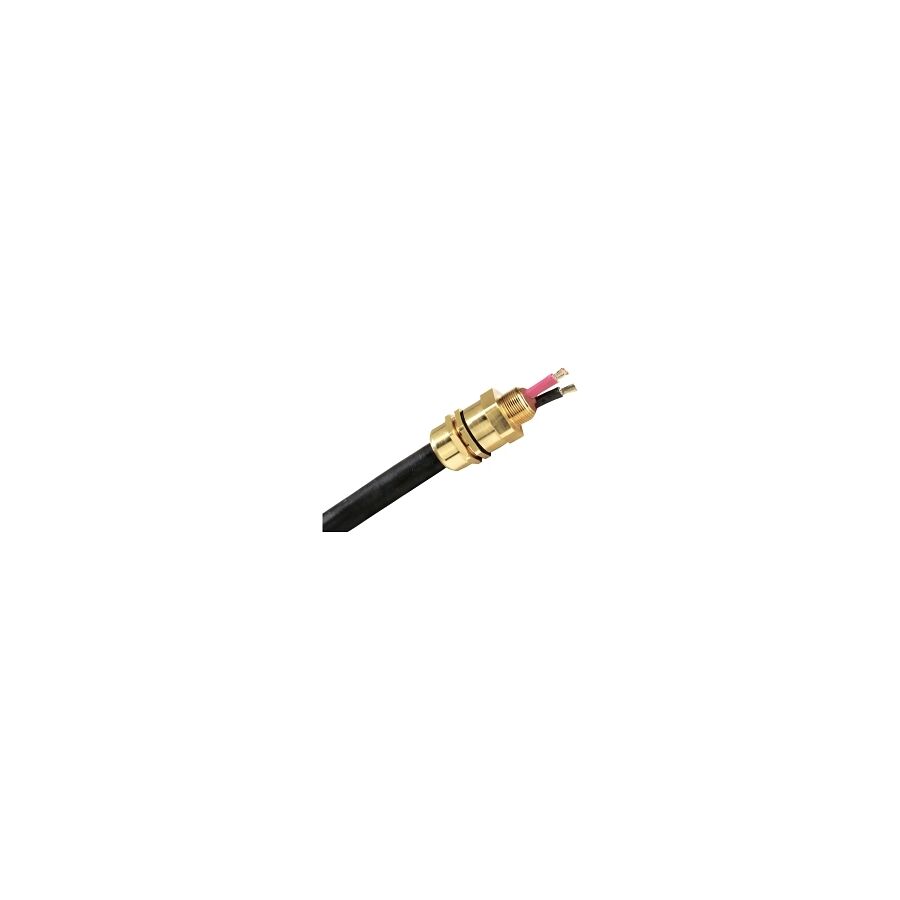
In Australia’s hazardous industries, electrical safety is not a theoretical exercise. In underground coal mines, gas compression facilities, chemical plants, and offshore LNG platforms, the atmosphere itself can become the fuel. In these environments, even a minor ignition source can trigger catastrophic consequences. Electrical enclosures are therefore engineered to contain energy, prevent arcs, and isolate heat. Yet the most vulnerable point in any explosion-protected enclosure is not the enclosure body. It is the cable entry.
The explosion proof cable gland exists to protect this critical interface. It secures the cable mechanically, maintains the enclosure’s hazardous area rating, and ensures that any internal ignition cannot propagate into the surrounding atmosphere. This device is not an accessory. It is a safety-critical component governed by strict standards, precise machining, and disciplined installation practices.
In flameproof Ex d systems, the design philosophy assumes that an internal ignition may occur. Rather than attempting to prevent ignition absolutely, the system is designed to contain it. If an explosion happens inside a motor terminal box or junction enclosure, the pressure must be relieved without allowing flame to escape.
The explosion proof cable gland achieves this through a flamepath. A flamepath is a carefully controlled gap formed by precision-machined metal interfaces within the gland. As hot gases expand and are forced through this narrow, extended path, they lose heat to the surrounding metal. By the time the gases exit the gland, their temperature is reduced below the auto-ignition temperature of the external atmosphere.
Flamepath dimensions are not arbitrary. They are defined by gas group classification. Hydrogen and acetylene require tighter tolerances than methane or propane. Engineers must therefore select glands certified for the specific gas group present on site. Using a gland with an incorrect rating undermines the entire protection concept.
Hazardous area standards classify gases by their ignition properties. In Australian installations, these classifications align with international IECEx frameworks. Each group represents a different level of volatility and flame propagation risk.
An explosion proof cable gland must be certified for the worst-case gas group present in the area. A gland suitable for less volatile gases may not provide sufficient flamepath cooling for hydrogen-rich environments. Certification markings on the gland body identify the approved gas groups, temperature class, and protection concept. These markings are legally enforceable and must match the site hazard assessment.
A key distinction in hazardous area installation practice is the choice between barrier glands and compression glands. This decision is governed by cable construction and enclosure characteristics rather than convenience.
Barrier glands are designed to stop gas migration through the cable core. Many multi-core cables contain voids between conductors that can allow gas to travel along the cable, a phenomenon known as pressure piling. If gas migrates from a hazardous area into a non-hazardous enclosure, an ignition at that enclosure can cause an explosion far from the original risk zone.
Barrier glands eliminate this risk by using a resin or compound that fills the internal cable spaces. During installation, the compound is mixed and poured into the gland, where it cures into a solid, gas-tight barrier around each conductor. This creates a permanent seal that prevents gas transmission.
Compression glands, by contrast, rely on mechanical sealing against the cable bedding. While faster to install, they are only permitted when the cable design and enclosure volume meet strict criteria. Over time, polymeric materials can deform under pressure, reducing sealing effectiveness. In critical applications, barrier glands are the default engineering choice.
In Australian heavy industry, cables are commonly armoured for mechanical protection. Steel wire armour or braided armour provides resistance against impact, abrasion, and crushing forces. The cable gland must clamp this armour securely to prevent cable movement and maintain enclosure integrity.
Armour clamping is not only mechanical. It is also electrical. The armour forms part of the protective earthing system. In the event of a fault, current must flow through the armour to earth, allowing protection devices to operate. A poor earth connection at the gland introduces resistance and can generate heat or sparks. In a hazardous area, this failure mode is unacceptable.
Correct installation ensures metal-to-metal contact between the armour and enclosure. Serrated washers, earth tags, and proper torque application are essential. Paint or coatings on the enclosure must be penetrated to establish a reliable bond.
Explosion proof performance depends on maintaining mechanical integrity over the life of the installation. Environmental factors such as vibration, moisture ingress, and corrosive contaminants can degrade seals and threads if not addressed.
Ingress protection is critical. Many hazardous area enclosures are exposed to washdown systems, rainfall, or offshore spray. Sealing washers installed under the gland shoulder help maintain IP ratings and prevent water ingress. External shrouds protect exposed armour wires and reduce corrosion risk while also improving personnel safety by covering sharp wire ends.
These supporting accessories are integral to long-term reliability and are routinely specified alongside the gland itself.
Material choice for an explosion proof cable gland must reflect the environmental chemistry of the site. Nickel-plated brass is commonly used in mining and general industrial applications. The plating protects against oxidation and ensures thread longevity.
In chemically aggressive environments, brass may not be sufficient. Ammonia, chlorides, and salt-laden atmospheres can cause stress corrosion cracking or galvanic interaction. In these conditions, stainless steel glands are required. Grade selection matters, as lower-grade stainless steels may not provide adequate resistance.
Matching gland material to enclosure material also reduces galvanic corrosion. Engineers must consider the entire assembly rather than treating the gland as an isolated component.
Explosion proof cable glands are regulated devices. They must carry valid IECEx certification and be installed in accordance with AS/NZS 60079. Installation of uncertified or incorrectly rated glands is a breach of statutory obligations and can invalidate insurance and site approvals.
Certification covers more than explosion containment. It includes impact resistance, ingress protection, thread engagement, and temperature performance. Batch testing ensures consistency across production runs. Installers must verify that certification documents match the installed hardware and that any adaptors or reducers used are also certified.
Because of the regulatory burden and safety implications, hazardous area components are sourced through specialist channels. Engineering and maintenance teams rely on wholesalers with expertise in hazardous area equipment to ensure correct selection and traceability.
A controlled supply chain ensures access to the correct thread types, sizes, and accessories without compromising certification. Adaptors and reducers must be approved for use in flameproof systems. Improvised solutions are not acceptable.
This is where products and accessories from Schnap Electric Products are commonly specified. Certified glands, sealing washers, shrouds, earth tags, and thread adaptors are supplied as a complete system to support compliant installation in Australian hazardous locations.
The explosion proof cable gland is the final guardian of a hazardous area enclosure. It is the point where electrical infrastructure meets an explosive atmosphere, and it allows no margin for error. By understanding flamepath physics, selecting the correct sealing method, ensuring robust armour earthing, and matching materials to environmental conditions, Australian industry professionals can maintain safe and compliant installations. When supported by certified accessories and disciplined procurement, the explosion proof cable gland performs its role quietly and reliably. In hazardous areas, safety is achieved not by assumption, but by precision at every interface.

SCHNAP is Australia's premier electrical wholesaler and electrical supplies, marketing thousands of quality products from leading brands. Trusted for nearly two decades by licensed electricians, contractors, and engineers, our range covers everything from basic electrical components to complex industrial electrical equipment
Our key categories include: LED lighting, designer switches, commercial switchboards, circuit protection, security systems & CCTV, and smart home automation
All products are certified to Australian standards (AS/NZS), backed by our 30-day, no-questions-asked return policy. Our expert technical team helps you quickly source the right solution for any residential, commercial, or industrial project, with daily dispatch from our Sydney electrical warehouse delivering Australia-wide
SCHNAP offers the most comprehensive electrical product range, with full technical specifications, application details, installation requirements, compliance standards, and warranties — giving professionals total confidence in every purchase


Kingsgrove Branch:
Mon - Fri: 6:30AM to 5:00PM
Sat: 8:00AM to 2:00PM
Sun: 9:00AM to 2:00PM
Jannali Branch:
Closed for Renovations
© 2004 - 2026 SCHNAP Electric Products