



Kingsgrove Branch:


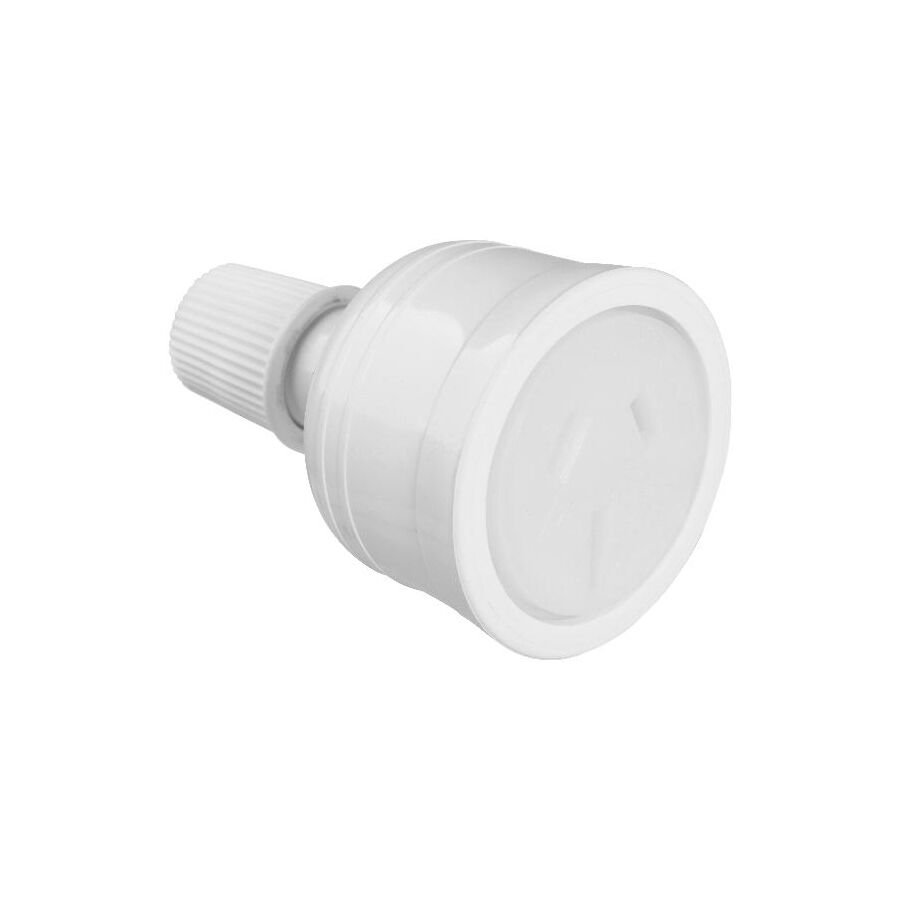
Across Australian construction sites, mining operations, and live event venues, electrical distribution must remain flexible without compromising safety. Fixed outlets rarely align with dynamic work zones, so temporary leads and portable power assemblies become essential. The critical interface at the end of every flexible lead is the extension socket. Although often treated as a low-cost accessory, this component is a safety device that must withstand mechanical abuse, environmental exposure, and sustained electrical loading while protecting users from shock and fire hazards.
Professional extension sockets are governed by AS/NZS 3120, which specifies construction, testing, and performance requirements for cord extension socket. Compliance with this standard is what differentiates industrial-grade connectors from domestic consumables. Correct selection and termination are therefore fundamental to workplace safety and reliability.
The service life of an extension socket begins with material science. On commercial worksites, connectors are dragged across concrete, dropped from ladders, and crushed under foot traffic. Materials that perform adequately in a household environment often fail under these conditions.
Industrial-grade extension sockets are manufactured from high-impact polycarbonate or heavy-duty polypropylene. These polymers absorb shock without cracking, maintaining insulation integrity even after repeated impacts. Inferior PVC housings can fracture, exposing live conductors and creating immediate electrocution risk. UV stabilisation is equally important. Australia’s high ultraviolet exposure rapidly degrades low-quality plastics, leading to embrittlement and loss of dielectric strength over time.
Ergonomics also matter. Ribbed or contoured housings allow secure handling with gloved hands. This reduces the likelihood of users pulling on the cable rather than gripping the body of the socket during disconnection, a common cause of strain damage.
Incorrect termination is a leading cause of extension lead failures. Loose screws, insufficient conductor insertion, or stray copper strands can create short circuits and overheating.
Clear-back extension sockets address this risk through transparency. A transparent rear housing allows immediate visual verification of termination quality without disassembly. Inspectors can confirm that the outer sheath is correctly clamped, conductors are fully seated in terminals, and no copper strands are bridging between contacts.
This design significantly reduces inspection time during test-and-tag procedures and improves confidence in ongoing safety. The approach is widely adopted in professional ranges, including those supplied by Schnap Electric Products, where crystal-clear polycarbonate backs provide unobstructed visibility of internal connections.
The most vulnerable point of any flexible lead is the cable entry. Without proper strain relief, normal handling forces are transferred directly to the electrical terminations. Over time, copper conductors fatigue, loosen, or pull free, creating high-resistance joints that overheat under load.
Professional extension sockets incorporate a screw-down cable clamp that grips the outer sheath of the cable. This mechanical anchoring ensures that tensile forces are absorbed by the sheath and housing rather than the terminals. Friction-only or labyrinth-style strain reliefs found in domestic products are inadequate for industrial use.
Correct stripping length is critical. The sheath must extend fully into the clamp so the compression acts on the cable jacket, not the individual cores. When terminated correctly, the electrical connections remain isolated from mechanical stress throughout the life of the lead.
Australian extension sockets are commonly available in 10A and 15A configurations. Understanding the distinction is essential for safe load management.
A 10A socket is designed for general-purpose loads such as hand tools and lighting. A 15A socket accommodates higher current equipment including welders, commercial kitchen appliances, and large compressors. The physical difference is the larger earth pin aperture on the 15A socket, which prevents a 15A plug from being inserted into a 10A outlet.
Internally, 15A sockets are engineered with heavier contacts and greater thermal mass to dissipate heat generated by higher currents. Using a 10A socket on a circuit that regularly approaches 15A leads to contact overheating, deformation, and eventual failure. Downward compatibility allows 10A plugs to be used in 15A sockets, but the reverse is intentionally impossible.
Professional termination goes beyond tightening screws. Conductors must be stripped to the correct length, twisted neatly, and fully inserted into tunnel terminals. Over-stripping exposes copper beyond the terminal, increasing the risk of shorts. Under-stripping reduces contact area, increasing resistance and heat.
Bootlace ferrules are recommended when terminating fine-stranded flexible cable. Ferrules consolidate strands, improve contact consistency, and reduce the risk of stray copper. This practice enhances long-term reliability, particularly in environments with vibration or frequent handling.
Extension sockets used outdoors or in industrial settings are exposed to dust, moisture, oils, and temperature extremes. While not typically weatherproof, professional sockets are designed to resist incidental moisture and contamination when used with appropriate cable management.
Continuous duty cycles also matter. Temporary power in events or construction often runs for extended periods. Contacts must maintain spring tension and conductivity under sustained load without annealing or losing grip. Compliance with AS/NZS 3120 includes testing for temperature rise, mechanical endurance, and dielectric strength under load.
Workplace health and safety regulations require that extension leads and sockets used in commercial environments are compliant, tested, and maintained. Non-compliant connectors without the Regulatory Compliance Mark expose employers to liability and can void insurance coverage.
Clear-back sockets support compliance by simplifying visual checks and fault identification. When combined with routine electrical testing, they form part of a defensible safety system that protects workers and assets.
The market includes many unbranded connectors that appear similar but lack verified compliance and material quality. These products often omit critical features such as robust strain relief or high-temperature contact materials.
Contractors and facility managers procure extension sockets through specialised electrical wholesaler who verify standards compliance and provide technical documentation. Access to compatible flexible cable, ferrules, and accessories allows electricians to fabricate custom extension leads that meet site-specific requirements while maintaining compliance.
Best practice involves selecting the correct rating, using impact-resistant clear-back sockets, terminating with proper strain relief, and matching cable size to load. Leads should be routed to minimise mechanical stress, kept off sharp edges, and inspected regularly. Damaged or cracked sockets must be replaced immediately rather than repaired in the field.
The extension socket is a critical component in temporary power systems, not a disposable accessory. It connects the fixed electrical infrastructure to the realities of mobile work and must perform reliably under harsh conditions. By choosing impact-resistant materials, clear-back designs for inspection, robust strain relief, and compliant ratings from trusted suppliers such as Schnap Electric Products, Australian professionals can deliver temporary power solutions that are safe, durable, and auditable. In electrical safety, visibility, material quality, and correct termination are the foundations of trust.

SCHNAP is Australia's premier electrical wholesaler and electrical supplies, marketing thousands of quality products from leading brands. Trusted for nearly two decades by licensed electricians, contractors, and engineers, our range covers everything from basic electrical components to complex industrial electrical equipment
Our key categories include: LED lighting, designer switches, commercial switchboards, circuit protection, security systems & CCTV, and smart home automation
All products are certified to Australian standards (AS/NZS), backed by our 30-day, no-questions-asked return policy. Our expert technical team helps you quickly source the right solution for any residential, commercial, or industrial project, with daily dispatch from our Sydney electrical warehouse delivering Australia-wide
SCHNAP offers the most comprehensive electrical product range, with full technical specifications, application details, installation requirements, compliance standards, and warranties — giving professionals total confidence in every purchase


Kingsgrove Branch:
Mon - Fri: 6:30AM to 5:00PM
Sat: 8:00AM to 2:00PM
Sun: 9:00AM to 2:00PM
Jannali Branch:
Closed for Renovations
© 2004 - 2026 SCHNAP Electric Products