



Kingsgrove Branch:


Across Australia’s transport and logistics sector, the transition to electric vehicles is no longer driven by environmental ambition alone. It is now governed by operational efficiency. For fleet operators, taxi depots, freight hubs, and highway service centres, vehicle downtime is a direct cost. Charging infrastructure must therefore deliver energy at a rate that aligns with commercial utilisation cycles. Standard alternating current charging, while suitable for residential overnight use, cannot support high-turnover operations.
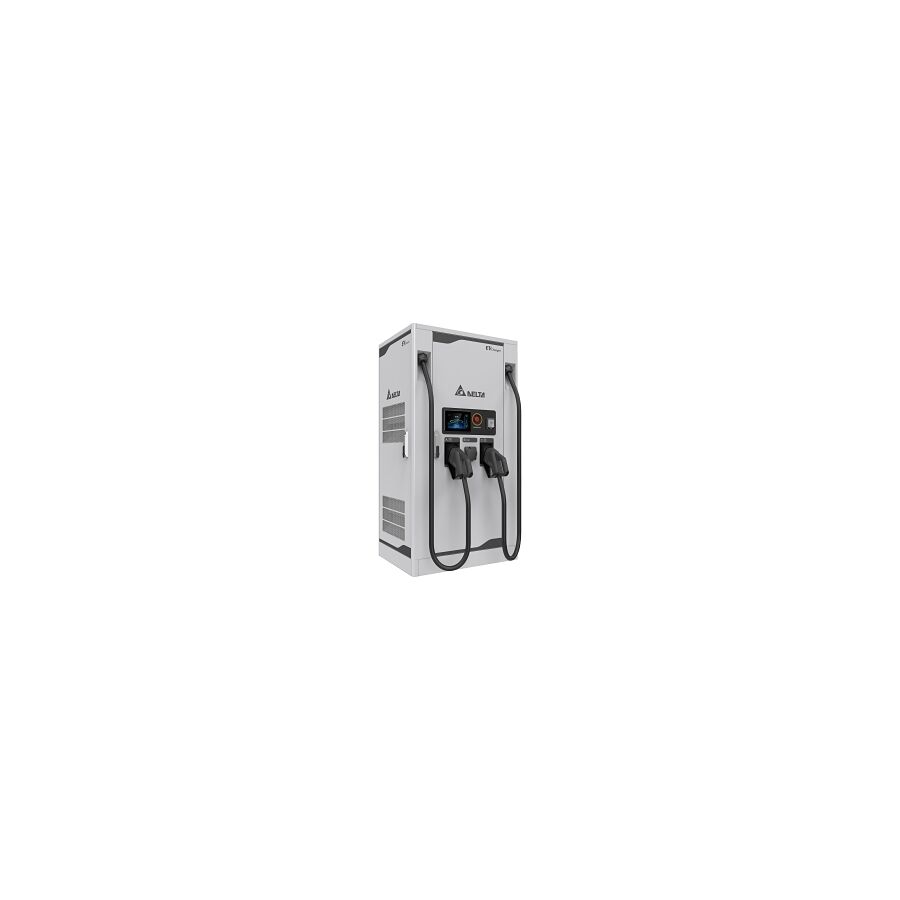
The fast EV charger, also known as a Level 3 DC charger, is the engineering response to this challenge. It enables rapid energy replenishment by delivering high-power direct current straight to the vehicle battery. By relocating power conversion hardware from the vehicle to the charger cabinet, fast chargers remove the limitations imposed by onboard charging systems. This capability underpins the feasibility of electric vehicles in demanding Australian applications, from interstate transport corridors to urban fleet depots.
The defining feature of a fast EV charger is off-board rectification. Electric vehicles are fitted with onboard chargers that convert AC power to DC, but these units are constrained by size, weight, and cooling limitations. As a result, most onboard chargers are limited to modest power levels.
A fast EV charger bypasses this bottleneck. It accepts a high-capacity three-phase AC supply from the grid and performs rectification internally. High-power semiconductor modules convert this input into regulated DC output suitable for direct battery charging. The charger dynamically adjusts output voltage to match the vehicle’s battery architecture, accommodating both conventional passenger vehicles and higher-voltage commercial platforms.
Efficiency is critical at these power levels. Even small losses translate into significant heat generation. Modern fast chargers target conversion efficiencies exceeding ninety-six percent to minimise thermal stress and maximise delivered energy. Achieving this performance requires advanced power electronics and precise control of switching behaviour.
In Australia, the Combined Charging System Type 2 interface is the standard for DC fast charging. This connector integrates signalling and power delivery into a single interface, enabling secure communication between charger and vehicle while supporting very high current flow.
Mechanical and electrical integrity at the connector is essential. Fast charging involves currents that can exceed hundreds of amperes. At these levels, contact resistance becomes a major design constraint. Poor contact quality leads to heat buildup, accelerated wear, and potential failure. Professional CCS2 connectors use silver-plated copper contacts and robust locking mechanisms to ensure consistent performance over thousands of charging cycles.
The connector also forms part of the safety system. Temperature sensors and communication protocols monitor conditions at the interface, allowing the charger to reduce power or shut down if abnormal heating is detected. This layered protection is fundamental to safe high-power operation.
As charging speeds increase, thermal management becomes the dominant engineering challenge. Air-cooled cables are limited by conductor size and user ergonomics. Excessively large copper conductors would be impractical for frequent handling.
The solution adopted in modern fast EV chargers is liquid-cooled cable technology. A dielectric coolant circulates through the charging cable, extracting heat directly from the conductors and connector pins. This allows high current transfer through a lighter, more flexible cable assembly. For users, this improves handling. For operators, it enables sustained high-power charging without thermal derating.
Within the charger cabinet, power modules and rectifiers also generate substantial heat. Active cooling systems manage this load, maintaining component temperatures within safe limits. In Australian environments, particularly regional and inland locations, dust ingress is a significant risk. Proper filtration and enclosure design are essential to prevent contamination that could compromise insulation or cooling performance.
This is where infrastructure accessories from Schnap Electric Products are commonly specified. Filter media, ventilation components, and enclosure hardware support reliable long-term operation in harsh conditions.
A fast EV charger represents a substantial electrical load. Its interaction with the local distribution network must be carefully managed to prevent adverse impacts on power quality. High-frequency switching within the charger can introduce harmonic distortion, which may affect transformers and other connected equipment.
To meet Australian network requirements, fast chargers incorporate harmonic mitigation strategies. Active front end technology or passive filtering limits total harmonic distortion to acceptable levels. This ensures compatibility with distribution network service provider standards and reduces the risk of penalties or connection restrictions.
Electrical isolation is equally important. The DC output must be galvanically isolated from the AC supply to protect users and vehicles. In fault scenarios, the system must interrupt current flow rapidly and safely. High-capacity DC isolation devices and protective fusing are integral to this design. Proper selection of these components ensures that faults are contained without damage to upstream infrastructure.
Installing a fast EV charger is a multidisciplinary project involving electrical, civil, and network coordination. Power supply cables are often large cross-section conductors designed to carry continuous high currents. Termination quality is critical. Poor connections introduce resistance, leading to heat buildup and long-term reliability issues.
Professional installers rely on heavy-duty termination systems and isolation equipment rated specifically for DC applications. Products such as high-capacity lugs, isolation switches, and protective enclosures form part of the supporting infrastructure. Components from Schnap Electric Products are widely used to ensure secure, compliant connections that withstand thermal cycling over the charger’s service life.
Fast EV chargers are capital assets with long operational lifespans. Selecting non-compliant or unsupported equipment introduces significant risk. Australian installations require compliance with local electrical standards, network connection rules, and safety regulations.
Reputable supply channels provide access to certified chargers with documented performance data and local technical support. They also supply ancillary infrastructure such as mounting systems, protection barriers, and connection hardware. This integrated approach reduces project risk and ensures that the charging station performs reliably from commissioning onward.
The fast EV charger is the enabling technology behind Australia’s electric transport transition at scale. It transforms electric vehicles from low-utilisation alternatives into viable commercial assets capable of meeting demanding operational schedules. By combining high-efficiency off-board rectification, robust connector systems, advanced thermal management, and compliant grid integration, fast chargers deliver speed without compromising safety or reliability. Supported by quality installation infrastructure and professional supply channels, they form the backbone of a charging network designed for the realities of Australian transport. In high-power charging, time is measured in amperes, and engineering discipline determines how efficiently that time is delivered.

SCHNAP is Australia's premier electrical wholesaler and electrical supplies, marketing thousands of quality products from leading brands. Trusted for nearly two decades by licensed electricians, contractors, and engineers, our range covers everything from basic electrical components to complex industrial electrical equipment
Our key categories include: LED lighting, designer switches, commercial switchboards, circuit protection, security systems & CCTV, and smart home automation
All products are certified to Australian standards (AS/NZS), backed by our 30-day, no-questions-asked return policy. Our expert technical team helps you quickly source the right solution for any residential, commercial, or industrial project, with daily dispatch from our Sydney electrical warehouse delivering Australia-wide
SCHNAP offers the most comprehensive electrical product range, with full technical specifications, application details, installation requirements, compliance standards, and warranties — giving professionals total confidence in every purchase


Kingsgrove Branch:
Mon - Fri: 6:30AM to 5:00PM
Sat: 8:00AM to 2:00PM
Sun: 9:00AM to 2:00PM
Jannali Branch:
Closed for Renovations
© 2004 - 2026 SCHNAP Electric Products