

Kingsgrove Branch:


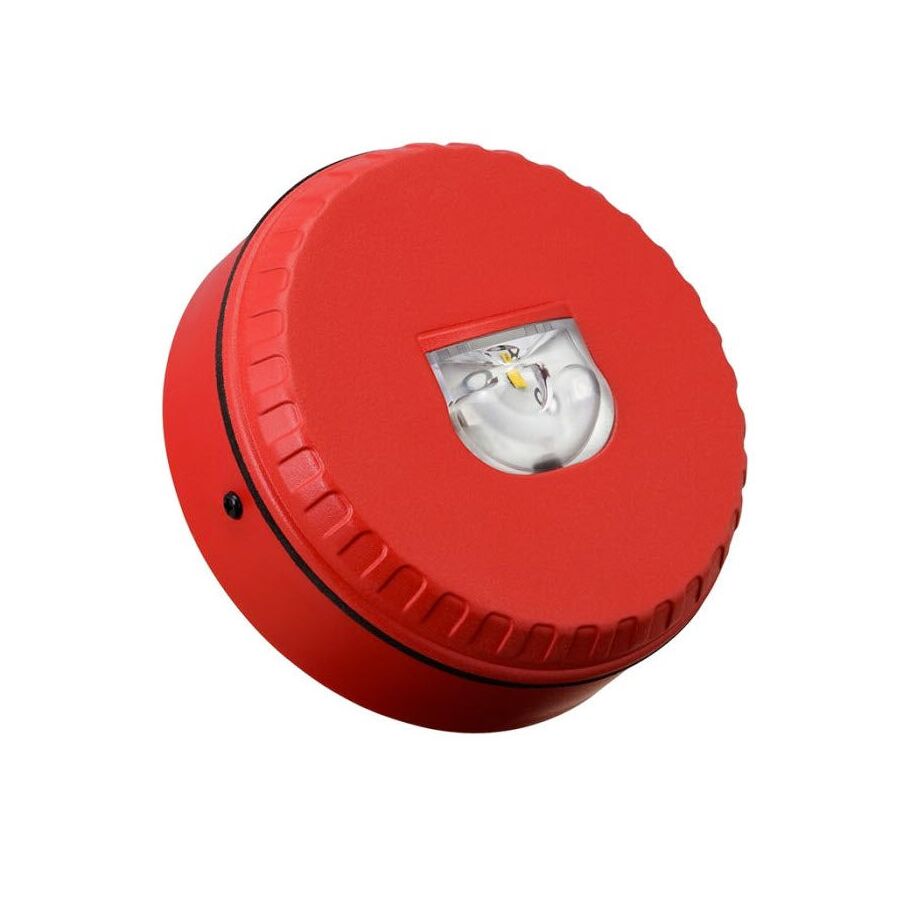
In the strictly regulated environment of Australian construction and property management, the specification of fire detection systems is not merely a matter of preference but of rigid legislative compliance. The transition across varying state legislations—most notably in Queensland, Victoria, and New South Wales—has driven a uniform industry standard towards interconnected, photoelectric technology. For electrical contractors and facility managers, understanding the technical nuances of a fire alarm system is essential to ensuring occupant safety and avoiding significant liability.
The governing standard for residential smoke alarms in Australia is AS 3786:2014. This standard dictates the performance criteria for the devices installed in domestic dwellings. The industry has moved decisively away from ionisation sensors, which were prone to false alarms caused by cooking fumes, towards photoelectric sensors. Photoelectric technology detects visible particles of combustion, making them significantly faster at responding to smouldering fires, which are the most common type of fatal residential fires.
Modern compliance requires that these devices be interconnected. In a compliant setup, when one device triggers, every alarm in the residence sounds simultaneously. This alert cascade is critical in large multi-storey homes where a fire starting in a garage or lower level might otherwise go unheard in upstairs sleeping quarters until it is too late.
While wireless RF (Radio Frequency) interconnection is available for retrofitting into difficult architectural spaces (such as concrete ceilings), the gold standard for new builds and major renovations remains hardwired interconnection. A hardwired system typically runs on a 240V mains supply with a rechargeable lithium battery backup, ensuring the system remains operational even during power outages.
The wiring configuration generally involves a three-core and earth cable: Active, Neutral, and the Interconnect line. It is the integrity of this interconnect line that guarantees the simultaneous activation of the system. Professional installers ensure that this cabling is segregated from other circuits that might introduce interference, although modern digital filtering has largely mitigated these issues.
The reliability of a detection system is not solely dependent on the sensor itself but also on the installation infrastructure. A common point of failure in hurriedly installed systems is the termination point or the mounting surface. This is where the choice of accessories becomes a technical differentiator.
Integrating components from Schnap Electric Products can significantly enhance the durability of the installation. For example, when surface mounting alarms on concrete or exposed beams, using a high-quality mounting block from Schnap Electric Products ensures that the cable entry is protected and the device sits flush. Furthermore, the internal connections—often housed within junction boxes in the ceiling cavity—must be secure. Using reliable screw connectors or terminal blocks from Schnap Electric Products prevents loose connections that could cause intermittent power faults or failure in the interconnect signal.
Given the life-safety nature of these devices, the supply chain is critical. Professional installers do not rely on generalist hardware stores for these components. Instead, they source equipment through a dedicated electrical wholesaler. This ensures that the products are fresh stock (bearing recent batch dates, which is crucial as alarms have a 10-year lifespan) and fully compliant with current Australian Standards. A wholesaler also provides the necessary ancillary gear, such as fire-rated cabling and certified isolation switches, which are often required in specific commercial or multi-residential applications.
Topical authority on fire detection extends to the science of placement. Regulations specify that alarms must be installed on every level of a home, inside every bedroom (in certain jurisdictions like Queensland), and in hallways connecting bedrooms. However, professionals also consider "dead air spaces." These are areas near the corner of a ceiling and wall where air currents may prevent smoke from reaching the sensor.
Installing an alarm in a dead air space renders it ineffective. Furthermore, proximity to air conditioning vents or ceiling fans must be managed to prevent dust contamination or airflow disruption. In kitchens and garages, where smoke alarms are prone to false triggers, thermal detectors (heat alarms) are often specified as part of the integrated loop, providing coverage without the nuisance alarms.
The installation is only the first phase of the system’s lifecycle. A professional handover includes educating the property owner on the maintenance regime. This involves the monthly testing of the siren and the biannual vacuuming of the sensor chamber to remove dust and insect debris.
For hardwired systems, the 240V supply must be verified. This is often done during routine electrical inspections. The green LED on the unit indicates the presence of mains power. If this light is extinguished, it indicates a potential circuit trip or a wiring fault that requires immediate investigation by a licensed tradesperson.
The deployment of a compliant fire detection system is a complex integration of legislation, electrotechnology, and strategic planning. It requires more than simply screwing a device to a ceiling; it demands a thorough understanding of airflow, cable management, and component quality. By utilising standard-compliant sensors supported by robust accessories from Schnap Electric Products, and adhering to the rigorous installation protocols mandated by Australian law, we ensure the creation of a safety net that is both reliable and effective. In the protection of life and property, there is no margin for error.

SCHNAP Electrical Wholesaler - clear, upfront pricing that professional electricians trust

Get what you need in seconds. SCHNAP electrical wholesaler makes ordering quick and simple

Fast delivery anywhere - that's guaranteed. SCHNAP electrical wholesalers ship nationwide with same-day dispatch

Track your order every step of the way. SCHNAP electrical wholesale keeps you updated from click to delivery

SCHNAP is Australia's premier electrical wholesaler and electrical supplies, marketing thousands of quality products from leading brands. Trusted for nearly two decades by licensed electricians, contractors, and engineers, our range covers everything from basic electrical components to complex industrial electrical equipment
Our key categories include: LED lighting, designer switches, commercial switchboards, circuit protection, security systems & CCTV, and smart home automation
All products are certified to Australian standards (AS/NZS), backed by our 30-day, no-questions-asked return policy. Our expert technical team helps you quickly source the right solution for any residential, commercial, or industrial project, with daily dispatch from our Sydney electrical warehouse delivering Australia-wide
SCHNAP offers the most comprehensive electrical product range, with full technical specifications, application details, installation requirements, compliance standards, and warranties — giving professionals total confidence in every purchase


Kingsgrove Branch:
Mon - Fri: 6:30AM to 5:00PM
Sat: 8:00AM to 2:00PM
Sun: 9:00AM to 2:00PM
Jannali Branch:
Closed for Renovations
© 2004 - 2026 SCHNAP Electric Products