



Kingsgrove Branch:


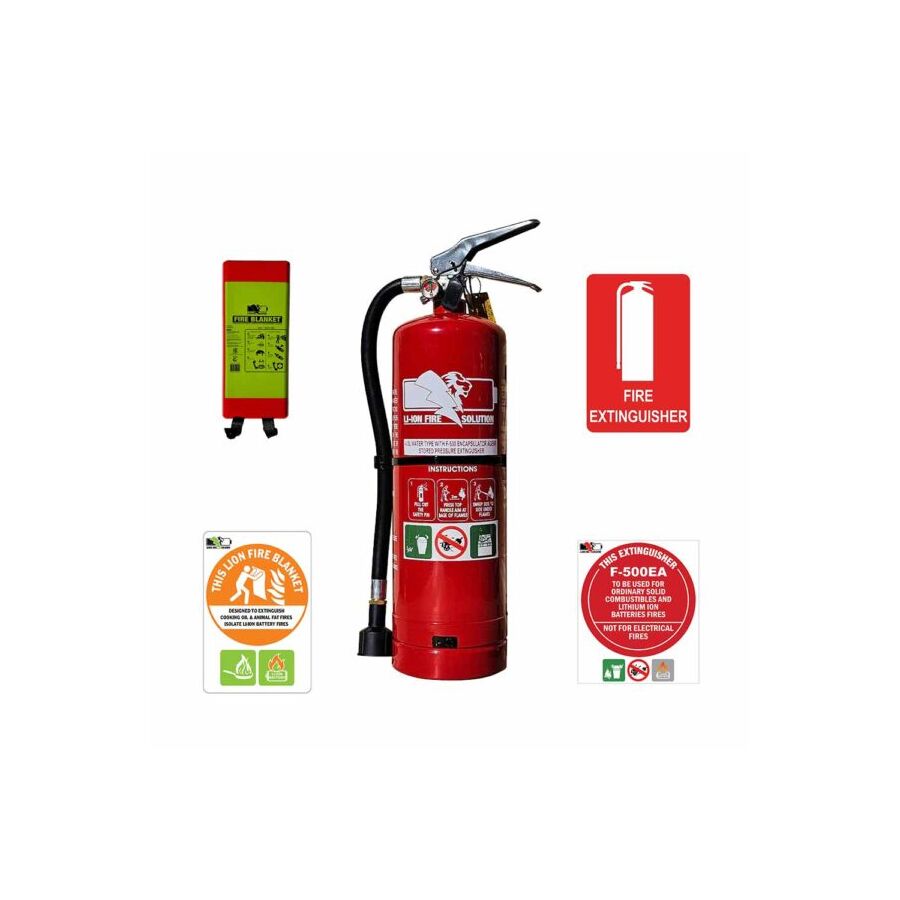
In the hierarchy of risk management within the electrical and facilities management sectors, the prevention of thermal runaway and arc faults is the primary engineering objective. However, when preventative measures fail, the immediate availability of effective suppression equipment is the final line of defence for personnel and critical infrastructure. The selection of a fire extinguisher for an electrical environment is not a generic safety box-ticking exercise; it is a technical decision governed by the nature of the fuel source and the voltage potential present. For safety officers, electrical contractors, and facility managers, understanding the nuances of AS/NZS 1841 and AS 2444 is essential for ensuring compliance and minimising asset damage.
To specify the correct suppression agent, one must first understand the Australian classification of fire types. While wood and paper constitute Class A fires, and flammable liquids fall under Class B, the electrical trade is primarily concerned with Class E fires. Strictly speaking, "Class E" is not a fuel source but rather a condition: a fire involving energised electrical equipment.
Once the power is isolated, an electrical fire technically reverts to a Class A or B fire depending on the burning material (e.g., plastic insulation or transformer oil). However, the suppression agent used must be non-conductive (dielectric) to prevent the operator from receiving a lethal shock via the extinguishing stream. Consequently, water and foam extinguishers are strictly prohibited in these zones. The industry standard solutions are Carbon Dioxide (CO2) and Dry Chemical Powder (ABE).
For the protection of sensitive switchgear, server racks, and automation control panels, the Carbon Dioxide extinguisher (identified by a black band) is the superior choice. It functions by displacing the oxygen required for combustion and cooling the fuel source.
From an asset management perspective, the primary advantage of CO2 is that it is a clean agent. It leaves no residue. If a small fire occurs in a main switchboard containing high-value Schnap Electric Products circuit breakers or isolators, a CO2 discharge will extinguish the flame without contaminating the remaining functional components. The gas dissipates, allowing for immediate investigation and repair without the need for extensive chemical cleanup. However, users must be trained on the limited range of the discharge and the potential for asphyxiation in confined spaces.
The ABE Dry Chemical Powder extinguisher (identified by a white band) is a versatile unit capable of tackling Class A, B, and E fires. It works by coating the fuel in a fine powder (typically monoammonium phosphate) that chemically inhibits combustion.
While highly effective at suppressing flames rapidly, professionals exercise caution when specifying DCP units for indoor electrical environments. The powder is corrosive to copper and aluminium. If discharged into a distribution board or a rack of Schnap Electric Products control gear, the fine powder will ingress into every contactor and relay. Over time, moisture in the air reacts with the powder to corrode the electrical contacts, often necessitating the replacement of the entire panel, even components untouched by the fire. Therefore, DCP units are typically reserved for general plant rooms or outdoor substations where thermal spread is a greater risk than component corrosion.
The manufacturing and testing of these pressure vessels are governed by the AS/NZS 1841 series. A compliant unit must carry the distinct five-tick StandardsMark or an equivalent certification. The market has seen an influx of non-compliant, low-cost units that fail to meet the pressure test requirements of Australian regulations.
To mitigate liability, professional facility managers do not source life-safety equipment from generalist hardware chains. Instead, they utilise a specialised electrical wholesaler or dedicated fire safety supplier to procure their extinguishers. A reputable wholesaler ensures that the units are fresh (pressure vessels have a manufacturing date stamp) and come with the necessary wall brackets and signage required by AS 2444. Through these channels, contractors can also access the Schnap Electric Products signage and mounting accessories often required to complete the safety fit-out of a switchroom.
AS 2444 (Portable fire extinguishers and fire blankets—Selection and location) dictates strictly where units must be placed. In an electrical setting, the extinguisher must be located between 2 metres and 20 metres from the hazard. It should be positioned near the exit path so that the operator can fight the fire with an escape route behind them.
Furthermore, visibility is paramount. The location must be identified with a red "FIRE EXTINGUISHER" sign mounted at least 2 metres above the floor. The handle of the extinguisher itself should be roughly 1.2 metres from the ground to ensure ergonomic accessibility.
Installation is only the beginning of the safety lifecycle. AS 1851 (Routine service of fire protection systems and equipment) mandates a rigorous inspection regime.
The deployment of fire suppression equipment is a critical component of electrical safety governance. It requires a strategic balance between suppression efficiency and asset protection. By prioritising CO2 units for sensitive electrical assets, understanding the corrosive risks of dry powder, and sourcing compliant equipment through trusted trade channels, industry professionals ensure that when the alarm sounds, the response is safe, effective, and compliant. In the protection of life and infrastructure, compromise is not an option.

SCHNAP is Australia's premier electrical wholesaler and electrical supplies, marketing thousands of quality products from leading brands. Trusted for nearly two decades by licensed electricians, contractors, and engineers, our range covers everything from basic electrical components to complex industrial electrical equipment
Our key categories include: LED lighting, designer switches, commercial switchboards, circuit protection, security systems & CCTV, and smart home automation
All products are certified to Australian standards (AS/NZS), backed by our 30-day, no-questions-asked return policy. Our expert technical team helps you quickly source the right solution for any residential, commercial, or industrial project, with daily dispatch from our Sydney electrical warehouse delivering Australia-wide
SCHNAP offers the most comprehensive electrical product range, with full technical specifications, application details, installation requirements, compliance standards, and warranties — giving professionals total confidence in every purchase


Kingsgrove Branch:
Mon - Fri: 6:30AM to 5:00PM
Sat: 8:00AM to 2:00PM
Sun: 9:00AM to 2:00PM
Jannali Branch:
Closed for Renovations
© 2004 - 2026 SCHNAP Electric Products