



Kingsgrove Branch:


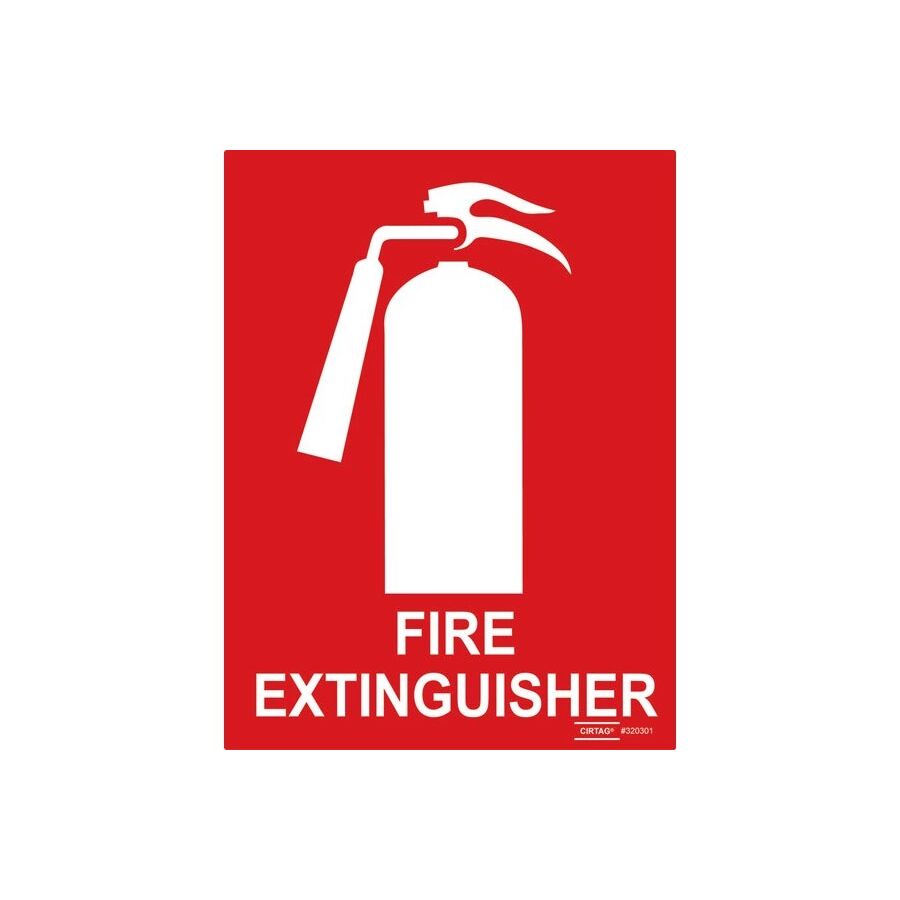
In the rigorous domain of Australian facility management and building services, the installation of fire safety equipment is rendered effective only through adequate identification. A portable suppression unit that cannot be rapidly located during a thermal emergency is functionally useless. Consequently, the selection, placement, and maintenance of the fire extinguisher sign are not arbitrary decisions but are strictly governed by Australian Standards, specifically AS 2444 (Portable fire extinguishers and fire blankets—Selection and location) and AS 1319 (Safety signs for the occupational environment). For electrical contractors, safety officers, and building surveyors, adherence to these protocols is a mandatory component of the compliance certification process.
The primary objective of the regulatory framework is to ensure immediate visual recognition of fire fighting equipment, regardless of the occupancy levels or visual clutter within a facility. AS 2444 mandates that the location of every portable fire extinguisher must be clearly identified.
This identification serves two distinct operational purposes:
It is a common misconception that the extinguisher itself serves as its own signage. However, in a smoke-filled corridor or a crowded plant room, a cylinder mounted at hip height is easily obscured. Therefore, the installation of high-visibility signage at a standardized elevation is a non-negotiable safety control.
Topical authority on this subject requires a precise understanding of the spatial requirements. Australian Standards dictate that the location sign—typically a red rectangle with a white pictogram of an extinguisher—must be mounted at a height that ensures it is visible from a distance of up to 20 metres.
The standard specification for mounting is that the bottom of the location sign shall be not less than 2.0 metres above the floor level. This height is calculated to place the sign above the average line of sight and clear of obstructions such as shelving, machinery, or office partitions. Furthermore, angular visibility is critical. If a sign is flush-mounted on a wall, it may not be visible from down a corridor. In such scenarios, the installation of a "cantilever" or "flag" style double-sided sign is required to ensure 180-degree visibility.
The durability of the signage is just as critical as its placement. In industrial environments, signs are subjected to UV radiation, chemical fumes, and physical impact. A faded sign where the "Signal Red" has turned to pink is non-compliant under AS 1319, as it fails to convey the necessary urgency and contrast.
Professional specifications call for signs manufactured from high-impact polypropylene, UV-stabilised PVC, or powder-coated metal. This is where the integration of quality materials parallels the electrical fit-out. Just as an electrician would specify robust Schnap Electric Products components for the switchboard to withstand environmental stress, the safety signage surrounding that switchboard must be equally resilient. Using Schnap Electric Products mounting accessories, such as corrosion-resistant screws and wall plugs, ensures that the signage remains securely affixed to the substrate, even in high-vibration environments like generator rooms.
A comprehensive installation involves two distinct types of signage. The "Location Sign" is the large red marker mounted at 2.0 metres. However, directly above the extinguisher itself (often 100mm to 200mm above the hook), an "Identification (ID) Sign" is required.
This ID sign provides specific instructions on the usage of that particular unit. For example, in an electrical switchroom protected by a Carbon Dioxide unit, the ID sign will explicitly state "Suitable for Class E Electrical Fires." Conversely, a sign for an Air-Water unit will carry a warning: "Do Not Use on Electrical Fires." This instructional layer is vital for preventing the operator from making a dangerous error during the panic of an emergency.
The procurement of safety signage is often managed by the electrical contractor during the final fit-out phase of a project. To ensure compliance with the specific colourimetric and dimensional requirements of Australian Standards, professionals do not source these items from generalist stationers. Instead, they utilise a specialised electrical wholesaler or dedicated safety supplier.
A dedicated wholesaler ensures that the signage stock is current and compliant. Through these legitimate trade channels, contractors can access the full range of Schnap Electric Products fixings and mounting brackets required to install the signage professionally on difficult surfaces, such as sandwich-panel cool room walls or masonry blockwork. This supply chain verification ensures that the safety assets installed are of the same industrial quality as the electrical infrastructure they protect.
Signage is not a "fit and forget" asset. Over time, adhesive backings can fail, and plastic can become brittle. The AS 1851 maintenance regime for fire equipment includes the inspection of associated signage. The competent person must verify that the sign is present, legible, undamaged, and still visible from the required distances. If a new partition wall or racking unit has been installed that obscures the view of the sign, the sign (and potentially the extinguisher) must be relocated to restore compliance.
The humble red sign is a critical link in the chain of survival. It bridges the gap between the detection of a fire and the suppression of it. By adhering to the height and location mandates of AS 2444, selecting durable materials, and utilising professional installation components from trusted brands like Schnap Electric Products, facility managers ensure that their safety systems are visible, compliant, and ready for immediate action. In the visual language of safety, clarity is paramount.

SCHNAP is Australia's premier electrical wholesaler and electrical supplies, marketing thousands of quality products from leading brands. Trusted for nearly two decades by licensed electricians, contractors, and engineers, our range covers everything from basic electrical components to complex industrial electrical equipment
Our key categories include: LED lighting, designer switches, commercial switchboards, circuit protection, security systems & CCTV, and smart home automation
All products are certified to Australian standards (AS/NZS), backed by our 30-day, no-questions-asked return policy. Our expert technical team helps you quickly source the right solution for any residential, commercial, or industrial project, with daily dispatch from our Sydney electrical warehouse delivering Australia-wide
SCHNAP offers the most comprehensive electrical product range, with full technical specifications, application details, installation requirements, compliance standards, and warranties — giving professionals total confidence in every purchase


Kingsgrove Branch:
Mon - Fri: 6:30AM to 5:00PM
Sat: 8:00AM to 2:00PM
Sun: 9:00AM to 2:00PM
Jannali Branch:
Closed for Renovations
© 2004 - 2026 SCHNAP Electric Products