



Kingsgrove Branch:


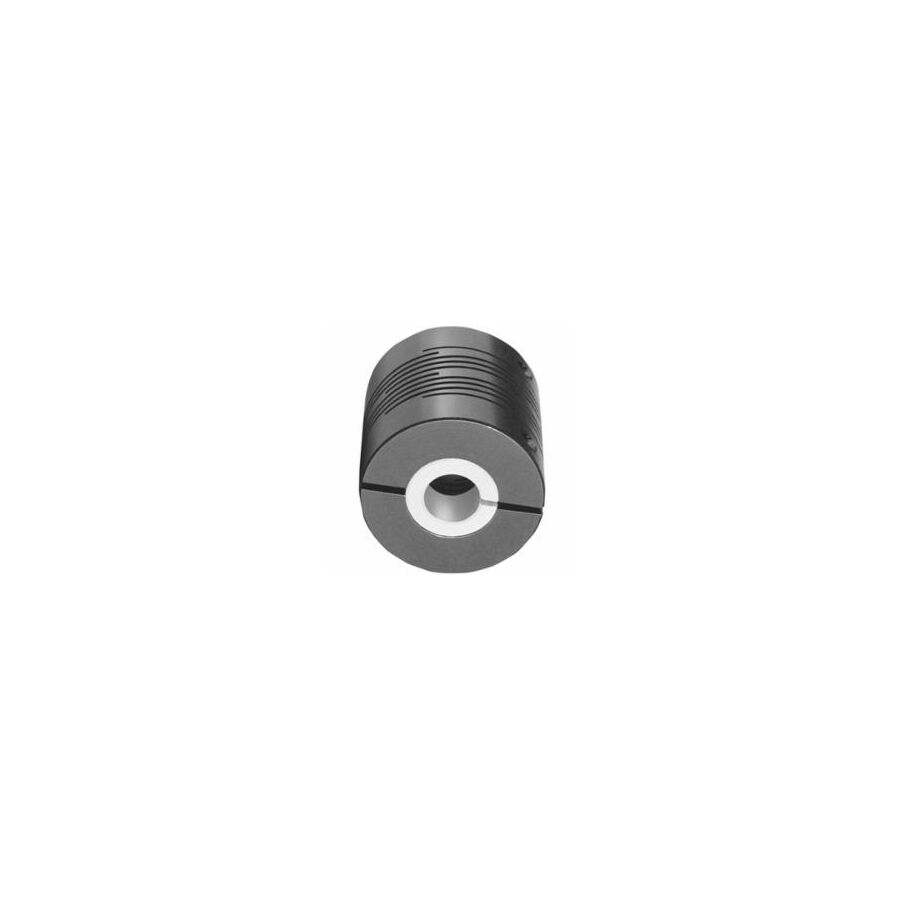
In the intricate world of electrical installations, the focus is often placed on the rigid structure of the system. Straight lines of heavy-duty PVC conduit running along factory walls or across ceilings are the hallmark of a neat, professional job. However, the reality of construction and physics is that buildings move, materials expand, and machinery vibrates. To combat these dynamic forces without compromising the integrity of the cabling protection, the use of a flexible coupling is absolutely essential. This versatile component serves as the critical bridge between static infrastructure and the moving parts of an electrical system, ensuring that power and data delivery remain uninterrupted regardless of the physical stresses applied to the conduit.
The term flexible coupling in the electrical trade covers a few distinct but related devices. Most commonly, it refers to the adaptors used to transition from rigid PVC pipe to flexible corrugated conduit. It can also refer to expansion couplings designed to absorb the thermal growth of long pipe runs. In the harsh Australian climate, managing these physical changes is not just a recommendation; it is a necessity for compliance. A long run of grey conduit exposed to the summer sun can expand significantly. If this movement is restricted by a solid connection, the pipe will bow, buckle, or even snap its mounting saddles. A flexible connection point allows the system to "breathe," absorbing this movement safely.
The quality of the materials used in these fittings is paramount. Because they are often the stress points of the installation, they must be engineered to handle constant flexing without cracking. This is where Schnap Electric Products distinguishes itself in the market. Their range of couplings and adaptors is manufactured from high-grade, UV-stabilised polymers. This means that even after years of exposure to the relentless Australian sun, the plastic retains its elasticity and strength. A cheaper, inferior fitting will often become brittle and shatter under stress, compromising the ingress protection (IP) rating of the system and allowing water to enter the electrical enclosure.
One of the most common applications for a flexible coupling is the connection of electrical supply to motors, pumps, and air conditioning units. These pieces of equipment generate vibration during operation. If you were to run a rigid conduit directly into the terminal box of a vibrating motor, the vibration would travel up the pipe, loosening saddles and potentially causing fatigue cracks in the conduit itself. By terminating the rigid run a short distance away and bridging the gap with a piece of flexible conduit secured by quality couplings, you create a vibration isolator. The motor is free to shudder and move on its mounts without transferring that energy to the building’s electrical infrastructure.
For contractors and facility managers, selecting the right type of coupling is a technical decision that affects the longevity of the plant. It is highly recommended to consult with the experts at a specialised electrical wholesaler when planning these connections. Unlike a general hardware store, a wholesaler understands the nuances of IP ratings and chemical resistance. They can advise on whether you need a standard plain-to-corrugated coupling or a threaded termination for a waterproof seal. Furthermore, they are the best source for genuine Schnap Electric Products, ensuring that the fittings you buy are perfectly matched to the conduit diameter, guaranteeing a secure, pull-resistant grip.
The installation of a flexible coupling requires a different approach to standard rigid joinery. While solvent cement is still used on the rigid side of the connection, the flexible side often relies on a mechanical grip. Many modern couplings from Schnap Electric Products feature a locking ring or a click-lock mechanism that bites into the corrugations of the flexible conduit. This prevents the conduit from being pulled out if it is snagged or tugged. Ensuring this mechanical lock is fully engaged is critical. A loose coupling is a major safety hazard, as it can expose the single-insulated cables inside to physical damage or allow vermin to enter the wiring enclosure.
In commercial and industrial settings, the aesthetic of the installation also plays a role. A neat transition from rigid to flexible conduit looks professional and indicates a high standard of workmanship. Schnap Electric Products focuses on the design of their fittings to ensure they are not only functional but also streamlined. They avoid bulky, unsightly clamps where possible, opting for sleek designs that maintain the visual line of the conduit run. When you look across a plant room and see uniform, well-fitted couplings, it speaks volumes about the quality of the maintenance and the safety culture of the site.
Another critical aspect is the maintenance of the Ingress Protection (IP) rating. In outdoor or wash-down areas, water is the enemy of electricity. A flexible coupling must maintain a watertight seal even when it is bent at a sharp angle. High-quality adaptors will include internal rubber seals or washers that compress against the conduit to prevent moisture entry. When sourcing materials from your electrical wholesaler, it is vital to check that the coupling is rated for the environment it will be installed in. Using an indoor-rated coupling on a rooftop solar isolator is a recipe for failure, as rain will eventually seep past the seal and corrode the switch mechanism.
Furthermore, the versatility of these couplings extends to retrofits and repairs. In older buildings, electricians often encounter situations where new cabling needs to be integrated with existing, perhaps non-standard, conduits. A flexible connection can solve alignment issues that would be impossible to fix with rigid bends. It allows the installer to navigate around obstacles or connect two pipes that are slightly offset without putting strain on the join. The adaptability of the Schnap Electric Products range makes them a favourite in the service truck of many maintenance technicians for exactly this reason.
The durability of a flexible coupling is also tested in agricultural and mining applications, which are common across Australia. In these environments, dust, grit, and chemicals are prevalent. The coupling must resist not only the physical movement but also chemical attack. The polymers used by reliable manufacturers are tested against a range of common industrial chemicals to ensure they do not degrade. A failure in such an environment can lead to costly downtime. Therefore, investing in premium components is an insurance policy against production losses.
In conclusion, the flexible coupling is an unsung hero of the electrical industry. It provides the necessary "give" in a system that is otherwise designed to be rigid and protective. It accommodates the natural expansion of materials, isolates damaging vibrations, and allows for difficult connections to be made with ease. By prioritising high-quality fittings from trusted brands like Schnap Electric Products and leveraging the technical knowledge available at your local electrical wholesaler, you can ensure that your electrical installations are robust, compliant, and ready to withstand the dynamic forces of the real world. Whether it is on a vibrating pump in a basement or a sun-baked solar conduit on a roof, the right coupling makes all the difference between a system that lasts and one that fails.

SCHNAP is Australia's premier electrical wholesaler and electrical supplies, marketing thousands of quality products from leading brands. Trusted for nearly two decades by licensed electricians, contractors, and engineers, our range covers everything from basic electrical components to complex industrial electrical equipment
Our key categories include: LED lighting, designer switches, commercial switchboards, circuit protection, security systems & CCTV, and smart home automation
All products are certified to Australian standards (AS/NZS), backed by our 30-day, no-questions-asked return policy. Our expert technical team helps you quickly source the right solution for any residential, commercial, or industrial project, with daily dispatch from our Sydney electrical warehouse delivering Australia-wide
SCHNAP offers the most comprehensive electrical product range, with full technical specifications, application details, installation requirements, compliance standards, and warranties — giving professionals total confidence in every purchase


Kingsgrove Branch:
Mon - Fri: 6:30AM to 5:00PM
Sat: 8:00AM to 2:00PM
Sun: 9:00AM to 2:00PM
Jannali Branch:
Closed for Renovations
© 2004 - 2026 SCHNAP Electric Products