



Kingsgrove Branch:


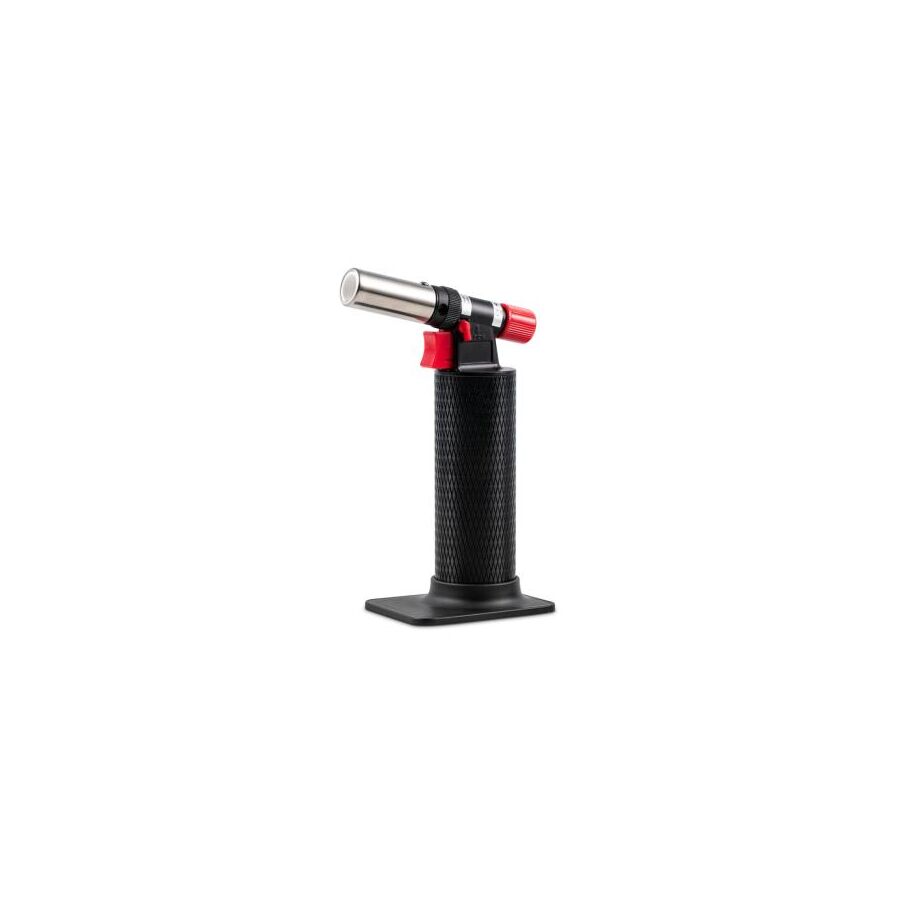
In the diverse and demanding toolkit of the Australian tradesperson, versatility is a highly prized attribute. Tools that can perform multiple functions across different environments are the ones that earn a permanent spot in the work van. Among these multi-functional devices, the gas torch stands out as an essential instrument for applying concentrated thermal energy. Whether you are a plumber joining copper pipes in a new residential build, a mechanic loosening a seized nut on a farm tractor, or an electrical contractor ensuring a watertight seal on a cable joint, the ability to command a controlled flame is indispensable.
The modern gas torch has evolved significantly from the heavy, perilous brass lamps of the last century. Today, they are precision-engineered tools designed for safety, ergonomics, and efficiency. They typically operate on one of two fuel sources: butane or propane (often mixed with propylene for higher heat, known as MAP gas). The choice of gas depends on the application. For fine, detailed work such as soldering electronics or shrinking insulation, a butane torch is often preferred for its portability and refillable tank. For heavy-duty heating, brazing, or thawing frozen pipes in the Tasmanian winter, the hotter burning propane or MAP gas torch attached to a disposable steel cylinder is the weapon of choice.
One of the most critical applications for the gas torch in the electrical industry is the activation of heat shrink materials. In the harsh Australian climate, where UV radiation and moisture can destroy standard electrical tape in months, heat shrink tubing provides a permanent, professional solution. However, to work effectively, heavy-wall adhesive-lined heat shrink requires a significant amount of heat to shrink down and melt the internal glue. A standard cigarette lighter is insufficient and leaves carbon deposits, while a heat gun may not be portable enough for remote work. A gas torch allows the installer to apply intense, even heat to the tubing, ensuring it conforms perfectly to the cable profile.
This process is vital when installing high-quality infrastructure. When you are working with premium components, such as the heavy-duty lugs and connectors manufactured by Schnap Electric Products, the finishing touches matter. A Schnap Electric Products cable lug is designed to carry high current loads for decades, but if the insulation covering the barrel is loose or compromised, moisture will enter, leading to corrosion and failure. Using a gas torch to properly seal the connection ensures that the mechanical protection matches the electrical reliability of the component, providing a result that is both safe and aesthetically professional.
For those looking to purchase these thermal tools, the marketplace can be confusing. While hardware chains stock a variety of consumer-grade torches suitable for lighting BBQs, professional tradespeople require equipment built for daily abuse. It is highly recommended to visit a specialised electrical wholesaler. These suppliers cater to the trade market and stock torches with robust ignition systems, impact-resistant bodies, and wind-proof nozzles. Staff at an electrical wholesaler can also advise on the specific heat output required for different tasks and supply the necessary gas cartridges, ensuring you leave with a complete solution.
Soldering is another domain where the gas torch excels. While electric soldering irons are standard for bench work, they are useless in the middle of a paddock or on a construction site with no power. A gas-powered soldering iron—effectively a mini torch with a catalytic tip—allows technicians to repair circuit boards, solder LED strip lighting, or join automotive wiring in the field. The instant heat provided by the gas means there is no waiting time for the iron to warm up, increasing productivity. For larger copper joining tasks, such as earthing straps or plumbing modifications, an open flame torch provides the BTUs required to get the metal to the correct temperature for the solder to flow via capillary action.
Safety is, of course, the primary concern when working with a gas torch. Dealing with pressurised fuel and open flames requires respect and training. Modern professional torches feature "dead man" triggers that extinguish the flame immediately if the tool is dropped, as well as locking buttons for continuous use during long jobs. The stability of the flame is also improved in trade-rated units, allowing the torch to be used upside down without the flame flaring uncontrollably—a common issue with cheap units. When working in confined spaces or near flammable building materials, having a reliable ignition system and a precise flame focus is critical to avoiding accidents.
In the automotive and agricultural sectors, the gas torch is often the difference between a ten-minute job and a three-hour nightmare. Australia's red dust and coastal salt spray are notorious for causing rust. When a bolt is rusted solid, applying force often snaps the head off. By applying heat to the nut with a torch, the metal expands, breaking the rust seal and allowing the fastener to be removed. This "thermal shock" technique is a standard practice in workshops across the country.
Maintenance of the tool is relatively low but necessary. The jet nozzle can become clogged with dirt or carbon over time, leading to a sputtering flame. A quick clean with a wire brush usually resolves this. For refillable butane units, using high-quality triple-refined gas is recommended to prevent impurities from blocking the internal valves. Storing the torch in a cool, dry place away from direct sunlight is also essential for the longevity of the seals.
The versatility of the gas torch extends to aesthetic finishing as well. In modern architectural fit-outs, scorching timber to bring out the grain or heat-treating metal for a specific patina is becoming popular. A controllable torch allows artisans to achieve these effects with precision. Similarly, in the installation of certain types of roofing membranes or flooring, heat is used to mould materials to complex shapes.
In conclusion, the gas torch is a fundamental instrument of the trade that brings the power of heat to the palm of your hand. It enables professionals to seal, join, loosen, and shape materials in environments where other tools fail. By choosing a robust, trade-rated model sourced from a reputable electrical wholesaler and using it to complement the installation of high-quality gear like Schnap Electric Products, Australian tradespeople can ensure their work is durable, compliant, and built to withstand the rigours of the environment. Whether it is a delicate soldering job or a heavy-duty cable termination, the gas torch remains the ultimate portable heat solution.

SCHNAP is Australia's premier electrical wholesaler and electrical supplies, marketing thousands of quality products from leading brands. Trusted for nearly two decades by licensed electricians, contractors, and engineers, our range covers everything from basic electrical components to complex industrial electrical equipment
Our key categories include: LED lighting, designer switches, commercial switchboards, circuit protection, security systems & CCTV, and smart home automation
All products are certified to Australian standards (AS/NZS), backed by our 30-day, no-questions-asked return policy. Our expert technical team helps you quickly source the right solution for any residential, commercial, or industrial project, with daily dispatch from our Sydney electrical warehouse delivering Australia-wide
SCHNAP offers the most comprehensive electrical product range, with full technical specifications, application details, installation requirements, compliance standards, and warranties — giving professionals total confidence in every purchase


Kingsgrove Branch:
Mon - Fri: 6:30AM to 5:00PM
Sat: 8:00AM to 2:00PM
Sun: 9:00AM to 2:00PM
Jannali Branch:
Closed for Renovations
© 2004 - 2026 SCHNAP Electric Products