



Kingsgrove Branch:


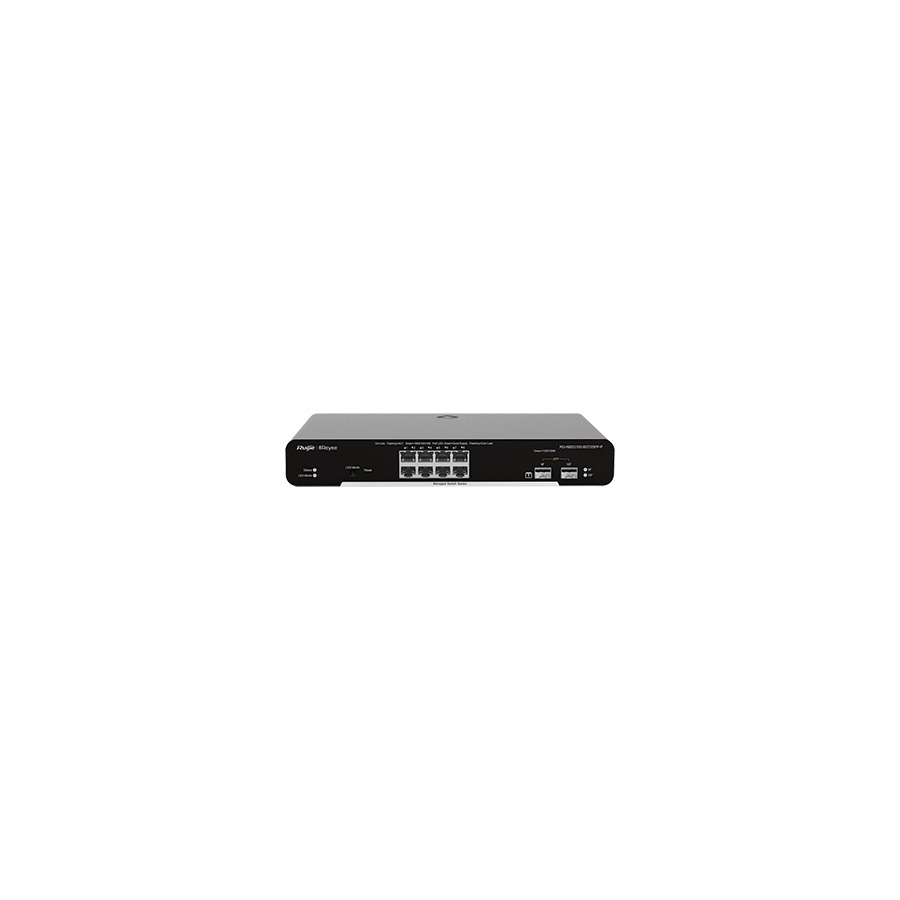
In the modern Australian enterprise, data is the primary operational asset. From cloud-hosted accounting platforms and enterprise resource planning systems to real-time collaboration tools and IP-based telephony, business productivity is directly linked to network performance. As bandwidth demands increase, the limitations of unmanaged network hardware become immediately apparent. While basic switches provide simple connectivity, they lack the intelligence required to control traffic flow, isolate risks, and guarantee consistent performance. The gigabit managed network switch addresses these limitations by introducing structured control, visibility, and resilience into commercial network environments.
A managed switch operates as more than a packet forwarder. It functions as a policy enforcement point within the network, allowing administrators to define how data moves, which devices can communicate, and which services receive priority. In Australian offices, warehouses, retail chains, and industrial facilities, this level of control is no longer optional. It is fundamental to security, uptime, and predictable application performance.
One of the most important capabilities of a managed switch is support for Virtual Local Area Networks. In an unmanaged network, every connected device shares the same broadcast domain. This flat topology increases security exposure and generates unnecessary broadcast traffic that degrades performance.
With VLAN support, a single physical switch can be divided into multiple logical networks. Each VLAN operates as an isolated environment, even though it shares the same hardware. Financial systems, staff workstations, guest Wi-Fi, building automation, and CCTV systems can all be separated into distinct segments. This prevents unauthorised lateral movement between systems and limits the spread of malware. It also reduces broadcast traffic by ensuring packets remain within their assigned VLAN, preserving bandwidth and reducing CPU load on connected devices.
As user counts and data volumes grow, single gigabit uplinks between switches can become a bottleneck. A floor switch supporting dozens of users may overwhelm a single connection to the core switch during peak activity. Managed switches solve this issue through Link Aggregation Control Protocol.
Link aggregation allows multiple physical Ethernet ports to be combined into a single logical connection. This increases total available bandwidth while also providing redundancy. If one link fails, traffic is automatically redistributed across the remaining links without service interruption. In Australian commercial environments where downtime results in lost revenue and operational disruption, this resilience is essential.
Modern networks carry a mix of traffic types with very different performance requirements. Email and file transfers tolerate small delays, but voice and video traffic do not. Without prioritisation, time-sensitive services can suffer from latency, jitter, and packet loss.
Managed switches implement Quality of Service mechanisms to classify and prioritise traffic. Voice and video packets are identified and placed ahead of bulk data transfers in transmission queues. This ensures that real-time applications maintain consistent performance even during periods of heavy network load. For businesses relying on VoIP, video conferencing, and unified communications, QoS is critical to maintaining professional service quality.
Digital signage, IPTV, and streaming services are increasingly common in Australian retail, hospitality, and corporate environments. These applications often rely on multicast traffic. Without management, multicast streams are treated like broadcast traffic and forwarded to every port, wasting bandwidth.
IGMP snooping allows the switch to monitor multicast group membership and forward streams only to ports that have explicitly requested them. This targeted delivery conserves bandwidth and ensures that high-definition video streams scale efficiently without degrading overall network performance.
While the managed switch provides intelligence, its performance and longevity depend heavily on the physical environment. High port densities and continuous operation generate heat, making airflow management essential. Poor cable organisation restricts ventilation and complicates maintenance.
Structured rack layouts using professional cable management solutions help maintain airflow and simplify troubleshooting. Power quality is equally important. Voltage spikes and electrical noise can damage sensitive networking equipment. Proper power distribution with surge protection ensures stable operation and protects the internal switch fabric.
This is where integrated infrastructure components from Schnap Electric Products are commonly specified. Rack-mounted power distribution units, cable managers, and patch panels support clean installations and long-term reliability in commercial network deployments.
A defining advantage of a managed switch is visibility. Through Simple Network Management Protocol, switches report detailed operational data to central monitoring platforms. Administrators can track bandwidth usage, port errors, device status, and thermal conditions in real time.
This proactive insight allows IT teams to identify issues before they impact users. Faulty cables, misconfigured devices, or abnormal traffic patterns can be addressed early, reducing downtime and improving overall network stability. In large Australian organisations, this level of monitoring is essential for maintaining service continuity.
Not all switches marketed as “smart” or “managed” provide the same level of control. Some offer limited web interfaces but lack advanced features such as full VLAN control, CLI access, or robust monitoring. Selecting appropriate hardware requires careful evaluation of technical specifications rather than marketing terms.
In Australia, network equipment must also comply with local regulatory requirements. Procuring managed switches through reputable electrical wholesaler ensures access to compliant hardware, local warranty support, and compatible accessories such as fibre transceivers. These suppliers also provide technical guidance to ensure the final installation meets performance and compliance expectations.
The gigabit managed network switch is a foundational element of modern Australian commercial infrastructure. It transforms the network from a passive transport layer into an intelligent, secure, and resilient system. Through VLAN segmentation, link aggregation, traffic prioritisation, and proactive monitoring, managed switches deliver predictable performance and strong security. When supported by well-designed physical infrastructure and compliant power solutions, they enable organisations to scale confidently in an increasingly data-driven environment. In contemporary networking, intelligence is not an enhancement. It is a requirement for sustainable growth and operational reliability.

SCHNAP is Australia's premier electrical wholesaler and electrical supplies, marketing thousands of quality products from leading brands. Trusted for nearly two decades by licensed electricians, contractors, and engineers, our range covers everything from basic electrical components to complex industrial electrical equipment
Our key categories include: LED lighting, designer switches, commercial switchboards, circuit protection, security systems & CCTV, and smart home automation
All products are certified to Australian standards (AS/NZS), backed by our 30-day, no-questions-asked return policy. Our expert technical team helps you quickly source the right solution for any residential, commercial, or industrial project, with daily dispatch from our Sydney electrical warehouse delivering Australia-wide
SCHNAP offers the most comprehensive electrical product range, with full technical specifications, application details, installation requirements, compliance standards, and warranties — giving professionals total confidence in every purchase


Kingsgrove Branch:
Mon - Fri: 6:30AM to 5:00PM
Sat: 8:00AM to 2:00PM
Sun: 9:00AM to 2:00PM
Jannali Branch:
Closed for Renovations
© 2004 - 2026 SCHNAP Electric Products