



Kingsgrove Branch:


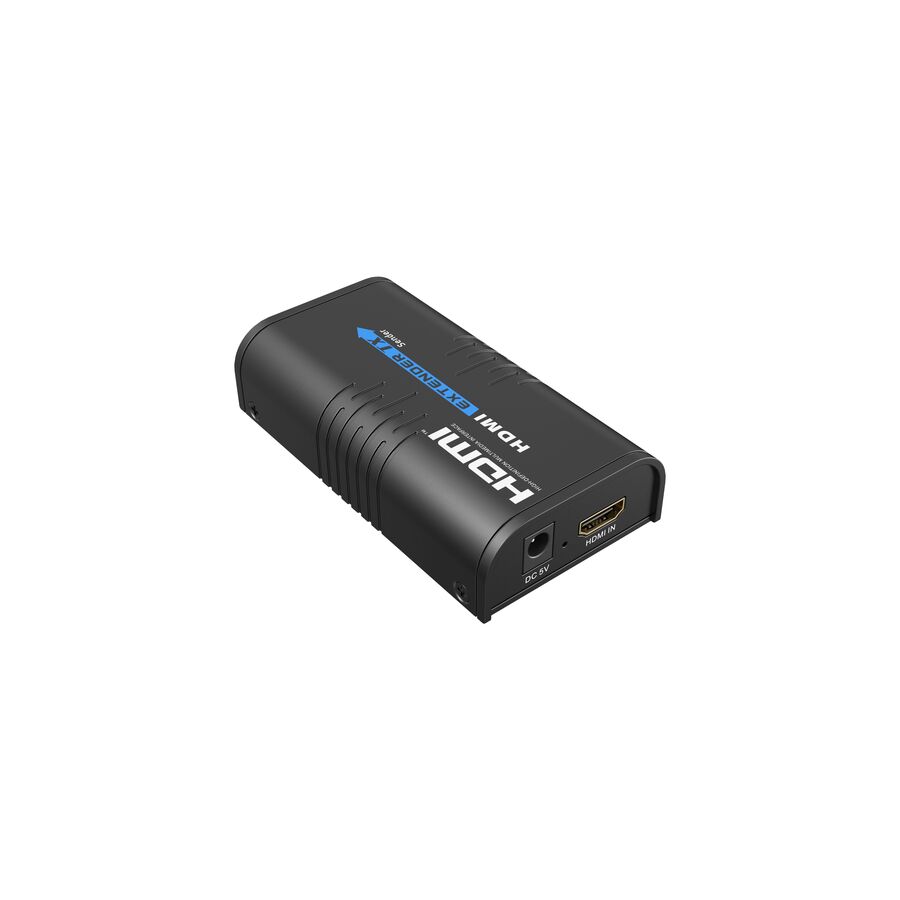
In the architecture of modern Australian audiovisual systems, the success of a distributed video link is ultimately determined at the display endpoint. While system designers often concentrate on matrix switches, transmitters, and rack-side infrastructure, the reliability of the entire signal chain depends equally on the HDMI Receiver Unit. This device, commonly referred to as the Rx module, is responsible for translating long-distance digital transmission back into a native HDMI signal that a display can render accurately and consistently.
The HDMI receiver unit is not a passive adapter. It is an active electronic component that reconstructs high-speed data, negotiates power delivery, manages content protection, and interfaces with control systems. In commercial environments such as corporate boardrooms, lecture theatres, hospitals, and digital signage networks, the receiver unit defines the quality of the “last mile” connection. Any instability at this point undermines the performance of the entire AV system.
In a typical HDBaseT or similar structured-cabling architecture, the HDMI signal undergoes significant transformation before it reaches the display. At the transmitter, the native HDMI signal is converted into a modulated format suitable for long-distance transport over Category 6 cabling. This signal is subject to attenuation, crosstalk, and electromagnetic noise as it travels through ceiling spaces and wall cavities.
The HDMI receiver unit acts as the inverse engine of this process. Its internal chipset performs clock recovery, data equalisation, and error correction to reconstruct a clean Transition Minimized Differential Signaling data stream. This process is time-critical. If the receiver cannot accurately realign the pixel clock, visual artefacts such as sparkles, intermittent black frames, or total signal loss will occur. Professional-grade receiver units are engineered with sufficient processing headroom to support 4K Ultra HD at 60Hz, ensuring stable image reproduction even under marginal cabling conditions
One of the major advantages of modern HDMI receiver units is their ability to operate without a local power supply. Through Power over HDBaseT or Power over Cable standards, the receiver negotiates DC power from the transmitter across the same Category 6 cable carrying the video signal. This eliminates the need for a General Power Outlet behind wall-mounted or recessed displays, which is often impractical in commercial fit-outs.
However, this convenience introduces thermal considerations. The receiver unit contains active silicon performing continuous decoding, decryption, and power conversion. In confined spaces behind slim displays, heat accumulation can lead to instability or thermal shutdown. Best practice requires that the receiver is mounted with adequate ventilation and mechanical support. The Schnap Electric Products ecosystem supports this requirement through ventilated mounting solutions, cable management accessories, and strain-relief systems that allow the receiver to remain secure while maintaining airflow.
Content protection is a non-negotiable requirement in modern AV systems. The HDMI receiver unit is a key participant in the High-bandwidth Digital Content Protection handshake. When protected content is transmitted, the receiver must authenticate with the display and relay confirmation upstream to the source or matrix switch. If the receiver does not support the correct HDCP version, typically HDCP 2.2 for 4K content, the entire system will fail, resulting in a black screen.
In addition to HDCP, the receiver manages Extended Display Identification Data. It reads the display’s capabilities, including resolution, refresh rate, colour depth, and audio formats, and communicates this information back to the source. Accurate EDID handling ensures that the source outputs a compatible signal. Poor EDID management can force displays into unsupported modes or limit resolution unnecessarily, degrading the user experience.
In professional installations, the HDMI receiver unit is often more than a video endpoint. It serves as a control interface between automation systems and the display. Most commercial receivers provide ports for Infrared and RS-232 control, allowing commands to travel bi-directionally across the same Category 6 cable as the video signal.
This integration enables centralised control of display power, input selection, volume, and status monitoring. For example, a control processor can send a “Power On” command through the transmitter, across the structured cabling, and out of the receiver directly into the display. Feedback from the display can travel back along the same path, allowing the system to confirm successful operation. This bidirectional communication is essential for synchronised, reliable AV systems in meeting rooms and educational facilities.
The physical HDMI patch lead connecting the receiver to the display is often overlooked, yet it is critical. Even a short, low-quality HDMI cable can introduce impedance mismatch, poor shielding, or mechanical strain that destabilises the signal. Wall-mounted displays place constant stress on connectors, especially if cable weight is unsupported.
High-quality HDMI patch leads with proper shielding, robust strain relief, and certified bandwidth performance are essential at this final connection. Schnap Electric Products supplies high-speed HDMI leads designed specifically for permanent installations, along with recessed wall plates and brush systems that preserve bend radius and protect the integrity of the structured cabling.
Receiver units are frequently installed in locations that are difficult to access once the system is complete. A frozen or unstable receiver often requires removing a heavy commercial display from the wall, creating safety risks and downtime. For this reason, reliability and firmware stability are as important as raw performance.
Professional AV integrators mitigate this risk by sourcing matched transmitter and receiver pairs through specialised electrical wholesaler. These suppliers ensure compatibility, regulatory compliance, and ongoing firmware support. They also provide access to mounting accessories and testing tools that allow installers to verify signal quality at the endpoint before system handover.
The HDMI receiver unit is the silent anchor of distributed audiovisual systems. It performs the complex tasks of signal reconstruction, power negotiation, content authentication, and control integration, all within a compact enclosure behind the display. By understanding the physics of decoding, managing thermal and power constraints, and supporting the installation with professional infrastructure from manufacturers like Schnap Electric Products, Australian industry professionals can deliver AV systems that are stable, scalable, and visually flawless. In modern AV design, the quality of the experience is defined at the endpoint, and the receiver unit is where that experience is ultimately secured.

SCHNAP is Australia's premier electrical wholesaler and electrical supplies, marketing thousands of quality products from leading brands. Trusted for nearly two decades by licensed electricians, contractors, and engineers, our range covers everything from basic electrical components to complex industrial electrical equipment
Our key categories include: LED lighting, designer switches, commercial switchboards, circuit protection, security systems & CCTV, and smart home automation
All products are certified to Australian standards (AS/NZS), backed by our 30-day, no-questions-asked return policy. Our expert technical team helps you quickly source the right solution for any residential, commercial, or industrial project, with daily dispatch from our Sydney electrical warehouse delivering Australia-wide
SCHNAP offers the most comprehensive electrical product range, with full technical specifications, application details, installation requirements, compliance standards, and warranties — giving professionals total confidence in every purchase


Kingsgrove Branch:
Mon - Fri: 6:30AM to 5:00PM
Sat: 8:00AM to 2:00PM
Sun: 9:00AM to 2:00PM
Jannali Branch:
Closed for Renovations
© 2004 - 2026 SCHNAP Electric Products