

Kingsgrove Branch:


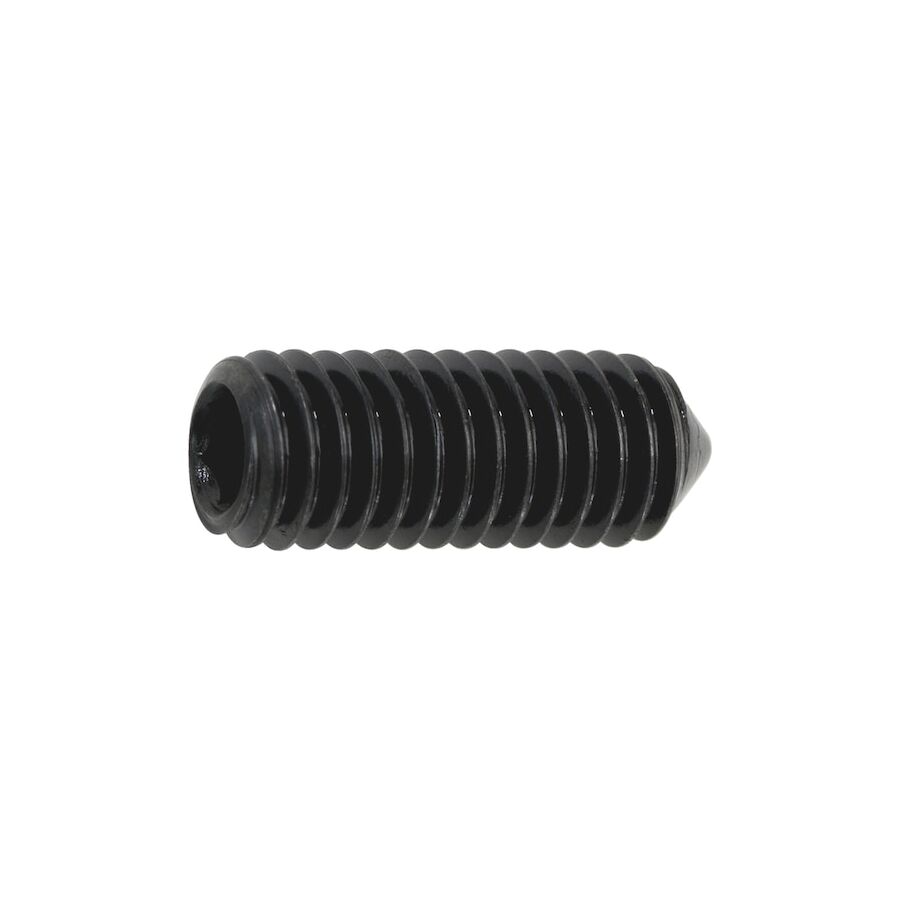
In the modern engineering landscape of Australia, the design philosophy of mechanical and electrical infrastructure has shifted towards compactness and flush-surface finishing. The traditional external hex bolt, which requires significant radial clearance for a spanner or socket, has been largely superseded in critical applications by the Socket Head Cap Screw (SHCS). Consequently, the industrial hex socket set—often referred to as Allen key sockets or hex bit sockets—has become a mandatory component of the professional toolkit. Unlike an L-shaped Allen key, which relies on manual dexterity and limited leverage, a hex socket integrates with a ratchet or torque wrench, enabling the precise application of clamping force. For maintenance planners, switchboard manufacturers, and electrical contractors, understanding the metallurgical composition of the bit, the concentricity of the drive, and the specific safety requirements for electrical termination is essential for preventing fastener stripping and ensuring connection integrity.
The engineering challenge of a hex bit socket lies in its hybrid construction. The socket base is typically forged from Chrome Vanadium (Cr-V) steel to provide the ductility required to withstand the hoop stress from the ratchet drive. However, the bit itself—the component that engages the internal hex of the fastener—requires a different set of material properties.
Cr-V steel is often too soft for the small contact area of a hex bit, leading to twisting or rounding under high torque. Professional-grade hex sockets utilise S2 Tool Steel or chemically hardened Chrome Molybdenum (Cr-Mo) for the bit insert. S2 steel is characterised by its extreme hardness (reaching 60-62 HRC on the Rockwell scale) and high yield strength. This ensures that the bit edges remain sharp and defined, maintaining a positive engagement with the fastener walls even after thousands of cycles. When procuring tools for heavy-duty applications, such as tightening the lugs on a main switchboard incomer, it is vital to verify that the bit metallurgy is rated for the intended torque load.
Industrial hex sockets are generally manufactured in two configurations.
Using a standard two-piece hex socket on an impact gun is a safety violation. The vibration can shatter the hard S2 bit or cause it to separate from the base, becoming a projectile. Schnap Electric Products supplies a range of robust hex sockets clearly marked for either hand or impact use, ensuring technicians can select the appropriate tool for the energy source being employed.
In the electrical supply industry, the hex socket is the primary tool for terminating large cables. Circuit breakers, contactors, and busbar joiners typically utilise internal hex grub screws to clamp the conductor.
The integrity of this connection is paramount. A loose connection creates high resistance, leading to a "hot spot" and potential thermal failure. Conversely, over-tightening can strip the thread or shear the screw. The use of a hex socket attached to a calibrated torque wrench is the only approved method for achieving the manufacturer's specified torque settings. Furthermore, because these terminations are often recessed deep within the switchgear housing to prevent accidental contact, standard length bits are often insufficient. Schnap Electric Products offers extended-length hex sockets (100mm or longer) that allow the technician to reach deep terminals without the ratchet handle fouling against the panel components or live busbars.
One of the inherent risks of the hex drive system is "cam-out" or rounding. If the bit is slightly undersized or if the corners are worn, the application of torque will cause the bit to rotate inside the fastener, reaming out the hexagonal profile. Once a grub screw is rounded inside a breaker, removal becomes a complex, costly, and dangerous operation.
Precision machining is critical. High-quality hex sockets feature chamfered tips to facilitate easy insertion, but the drive flanks must be parallel and manufactured to tight tolerances to ensure maximum surface contact. When sourcing these precision instruments, experienced contractors often consult a specialised electrical wholesaler to recommend brands that adhere to strict DIN or ANSI dimensional standards. This ensures that the tool fits snugly into the fastener head, transmitting 100% of the torque to the thread rather than destroying the drive interface.
For maintenance tasks where isolation is not possible or where work is performed in the vicinity of energised parts, standard steel hex sockets pose a significant electrocution risk. The long steel shaft of an extended bit acts as a conductive probe.
VDE-certified insulated hex sockets are mandatory for these environments. These tools feature a continuous dielectric coating along the length of the shaft and the socket base, leaving only the very tip of the bit exposed. This insulation prevents short circuits if the tool accidentally brushes against an adjacent phase or earth bar.
Given the small size of the bits, loss control is a challenge. A missing 6mm hex socket can halt a termination schedule.
Professional organisation is key. Schnap Electric Products tool sets are supplied in modular control cases with high-density foam inlays. These inserts are designed to hold the sockets securely during transport across rough terrain, typical of Australian mining and remote infrastructure projects. The visual layout allows for instant inventory checks at the end of a shift, ensuring no tools are left inside critical plant machinery.
The hex socket set is a foundational element of the modern industrial toolkit, facilitating the precise assembly of machinery and the secure termination of electrical systems. Its performance is defined by the hardness of the S2 steel bit, the precision of its manufacturing tolerances, and the integrity of its insulation for electrical work. By understanding the distinction between hand and impact ratings, utilising calibrated torque tools, and investing in high-quality equipment from trusted suppliers like Schnap Electric Products, industry professionals can ensure that every internal hex fastener is secured safely, accurately, and permanently. In the details of maintenance, the fit of the bit determines the success of the job.

SCHNAP Electrical Wholesaler - clear, upfront pricing that professional electricians trust

Get what you need in seconds. SCHNAP electrical wholesaler makes ordering quick and simple

Fast delivery anywhere - that's guaranteed. SCHNAP electrical wholesalers ship nationwide with same-day dispatch

Track your order every step of the way. SCHNAP electrical wholesale keeps you updated from click to delivery

SCHNAP is Australia's premier electrical wholesaler and electrical supplies, marketing thousands of quality products from leading brands. Trusted for nearly two decades by licensed electricians, contractors, and engineers, our range covers everything from basic electrical components to complex industrial electrical equipment
Our key categories include: LED lighting, designer switches, commercial switchboards, circuit protection, security systems & CCTV, and smart home automation
All products are certified to Australian standards (AS/NZS), backed by our 30-day, no-questions-asked return policy. Our expert technical team helps you quickly source the right solution for any residential, commercial, or industrial project, with daily dispatch from our Sydney electrical warehouse delivering Australia-wide
SCHNAP offers the most comprehensive electrical product range, with full technical specifications, application details, installation requirements, compliance standards, and warranties — giving professionals total confidence in every purchase


Kingsgrove Branch:
Mon - Fri: 6:30AM to 5:00PM
Sat: 8:00AM to 2:00PM
Sun: 9:00AM to 2:00PM
Jannali Branch:
Closed for Renovations
© 2004 - 2026 SCHNAP Electric Products