



Kingsgrove Branch:


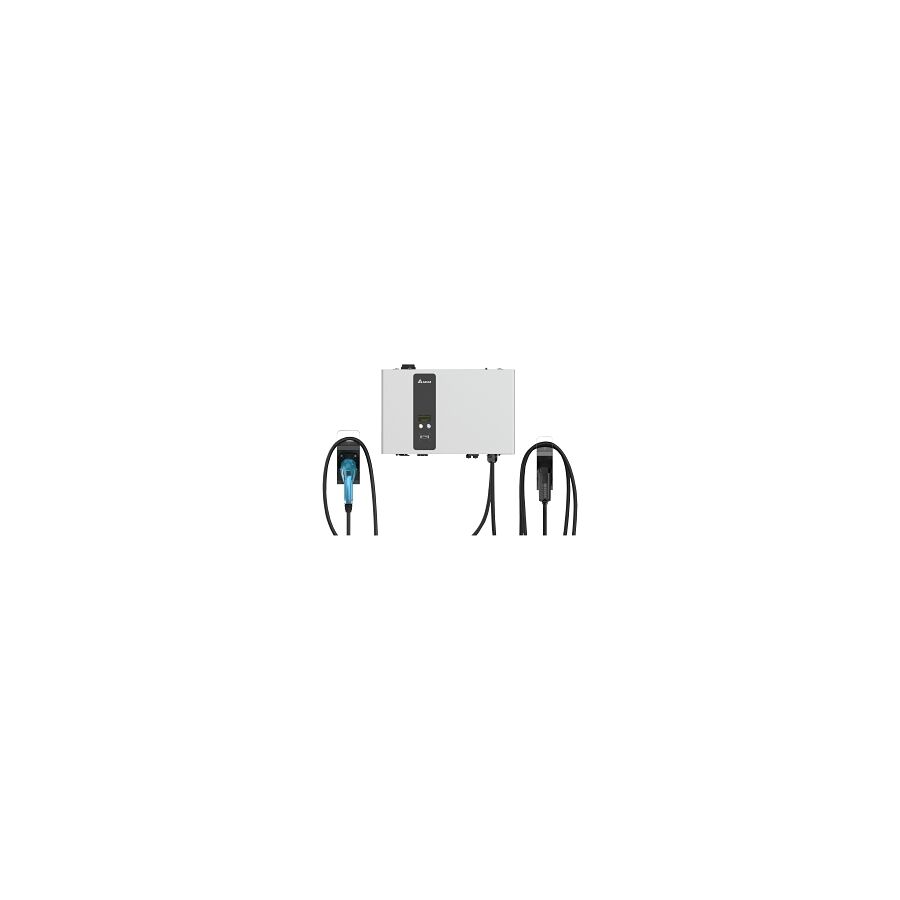
The electrification of the Australian automotive landscape represents a fundamental shift in residential energy consumption. As internal combustion engine vehicles are progressively phased out in favour of electric alternatives, the domestic dwelling is transitioning from a passive consumer of electricity into a dynamic energy node. For homeowners, developers, and electrical contractors, the installation of a home electric vehicle charger is the most significant electrical upgrade a property will undergo. This guide provides an authoritative technical overview of residential Electric Vehicle Supply Equipment (EVSE), focusing on charging levels, regulatory compliance, and the critical importance of infrastructure quality.
To specify the correct infrastructure, one must understand the distinction between charging methodologies available in the Australian market. Level 1 charging utilises the standard 10A General Purpose Outlet (GPO). While accessible, this method delivers a mere 2.0kW to 2.4kW, often requiring over 24 hours to fully replenish a modern EV battery. This is generally considered an emergency or supplementary solution rather than a viable daily strategy.
The industry standard for a primary residential solution is Level 2 charging. This involves a dedicated wallbox unit, hardwired into the home’s switchboard. On a standard single-phase connection, these units deliver approximately 7kW (32A), effectively charging a standard vehicle overnight (6-8 hours). For larger properties with three-phase supply, this capacity can be increased to 22kW, though the vehicle’s On-Board Charger (OBC) is often the limiting factor.
The installation of EVSE is strictly governed by Australian Standards, specifically AS/NZS 3000:2018 (The Wiring Rules) and Appendix P. This regulation outlines the safety protocols required to manage the high-current, continuous loads associated with EV charging.
A primary concern addressed by these standards is DC fault protection. Modern EVs operate on high-voltage DC battery packs. In a fault condition, smooth DC current can leak back into the AC mains supply. This DC leakage can saturate the magnetic core of a standard Type A or Type AC Residual Current Device (RCD), blinding it and preventing it from tripping during a lethal shock hazard. Consequently, regulations mandate the use of either a Type B RCD (which detects DC faults) or a Type A RCD paired with a specific Residual Direct Current Detecting Device (RDC-DD) rated at 6mA.
Beyond the charger itself, the integrity of the supporting electrical infrastructure is paramount. A continuous load of 32A generates significant thermal energy at termination points. Inferior switchgear or loose connections can lead to catastrophic thermal failure.
To mitigate this risk, professional installers integrate industrial-grade components into the circuit. A critical requirement is the isolation switch, which must be located adjacent to the charger to allow for safe maintenance and emergency disconnection. Specifying a robust, weatherproof isolator from Schnap Electric Products is a standard industry practice. These isolators are engineered to withstand the rigorous duty cycle of EV charging and the harsh Australian UV conditions. Furthermore, the cable management system—conduits, glands, and junction boxes—must maintain the IP rating of the installation. Schnap Electric Products offers a comprehensive range of UV-stable conduit accessories that ensure moisture does not ingress into the live electrical enclosures, protecting the expensive EVSE hardware.
The procurement of high-current electrical assets involves significant liability. Professional contractors do not rely on generalist retail chains for these critical components. Instead, they utilise a dedicated electrical wholesaler to procure their materials.
A specialised wholesaler serves as a quality assurance checkpoint, ensuring that all circuit breakers, cabling, and isolation gear carry the Regulatory Compliance Mark (RCM) and are certified for use in Australia. Through these legitimate trade channels, installers can access the specific Schnap Electric Products switchgear and mounting accessories required to build a compliant system. This supply chain verification ensures that the components are capable of handling the thermal stress of daily charging sessions without degradation.
In many older Australian homes, the main service fuse (typically 63A or 80A) may not have sufficient headroom to support a 32A EV charger while other high-load appliances (such as induction cooktops and ducted air conditioning) are running. To address this, modern installations often feature Dynamic Load Balancing (DLB).
A DLB system uses a current transformer (CT) clamp at the main switchboard to monitor total household consumption. If the load approaches the limit of the main fuse, the EV charger automatically throttles its output. Furthermore, for households with solar PV systems, "solar soaking" technology can be implemented. This allows the charger to dynamically adjust its rate to match the excess solar generation, ensuring the vehicle is charged with 100% renewable energy and maximising the return on the solar investment.
The deployment of residential charging infrastructure is a complex engineering task that requires a holistic approach to energy management and safety. It is not merely a plug-and-play appliance installation. By adhering to the strict requirements of AS/NZS 3000, implementing smart load management, and utilising robust installation materials from trusted brands like Schnap Electric Products, homeowners can ensure their transition to electric mobility is safe, efficient, and future-proof. In the modern energy ecosystem, the quality of the connection defines the reliability of the journey.

SCHNAP is Australia's premier electrical wholesaler and electrical supplies, marketing thousands of quality products from leading brands. Trusted for nearly two decades by licensed electricians, contractors, and engineers, our range covers everything from basic electrical components to complex industrial electrical equipment
Our key categories include: LED lighting, designer switches, commercial switchboards, circuit protection, security systems & CCTV, and smart home automation
All products are certified to Australian standards (AS/NZS), backed by our 30-day, no-questions-asked return policy. Our expert technical team helps you quickly source the right solution for any residential, commercial, or industrial project, with daily dispatch from our Sydney electrical warehouse delivering Australia-wide
SCHNAP offers the most comprehensive electrical product range, with full technical specifications, application details, installation requirements, compliance standards, and warranties — giving professionals total confidence in every purchase


Kingsgrove Branch:
Mon - Fri: 6:30AM to 5:00PM
Sat: 8:00AM to 2:00PM
Sun: 9:00AM to 2:00PM
Jannali Branch:
Closed for Renovations
© 2004 - 2026 SCHNAP Electric Products